
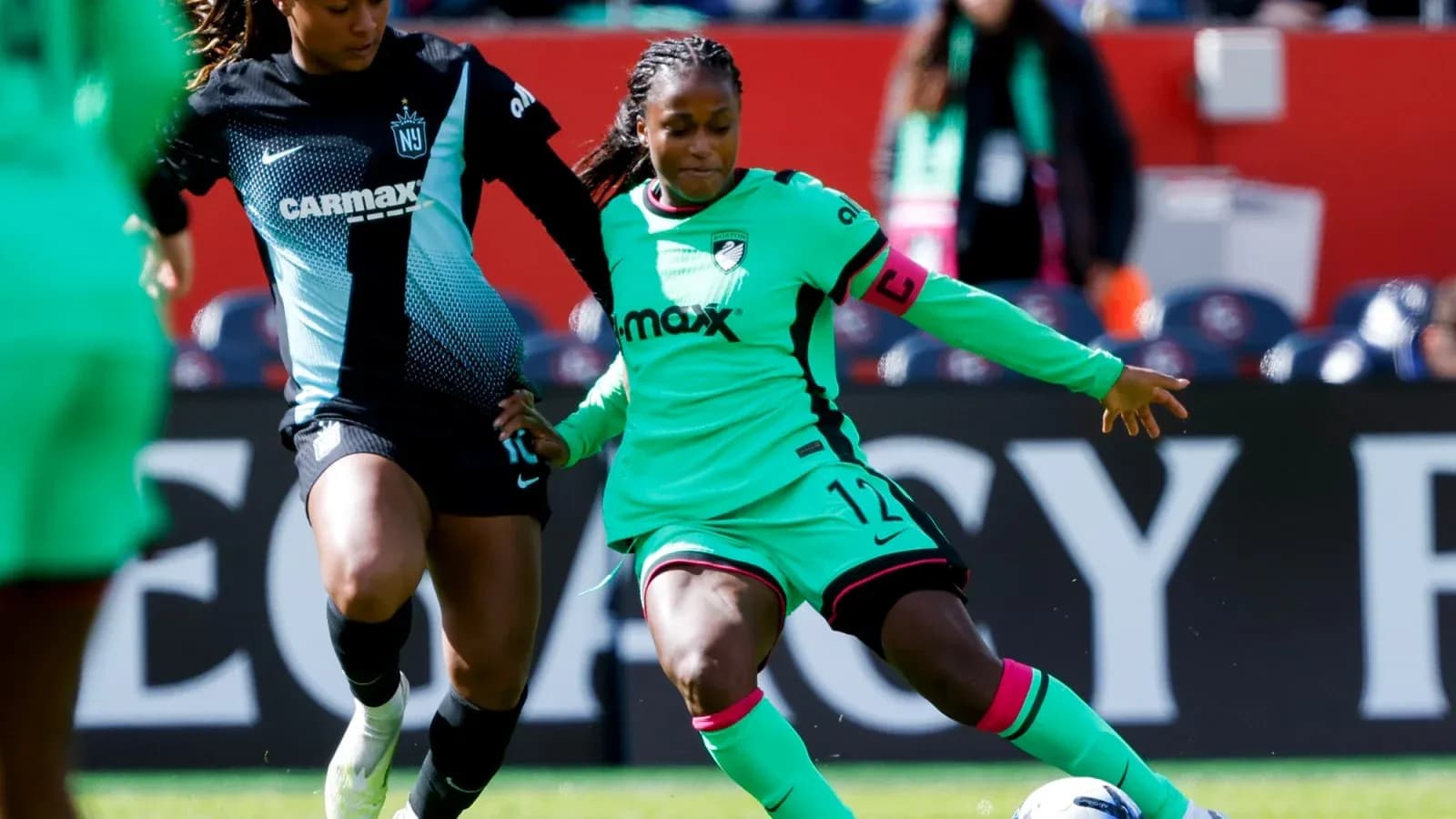
Gotham FC W and Boston Legacy W End in 1-1 Draw
NJ/NY Gotham FC W and Boston Legacy W shared a 1-1 draw at Sports Illustrated Stadium in a match that pitted a structured 4-2-3-1 against a flexible 3-1-4-2. Gotham controlled slightly more of the ball and territory, but Boston’s compact back three and aggressive midfield line ensured the game stayed finely balanced. Both sides scored in a sharp, tactical first half, then spent the second half largely cancelling each other out, with neither team able to convert small structural advantages into a winning goal.
Executive Summary (Card Verification & Discipline)
Card verification from events:
- NJ/NY Gotham FC W: 0
- Boston Legacy W: 3
- Total: 3
Full disciplinary log, in chronological order:
- 21' Barbara Olivieri (Boston Legacy W) — Foul
- 28' Samantha Rose Smith (Boston Legacy W) — Foul
- 45+2' Laís Araújo (Boston Legacy W) — Foul
These are the only cards in the data; Gotham finished without bookings, while Boston accumulated three yellows, all explicitly recorded as “Foul”.
Scoring Sequence & Disciplinary Log
The match’s tactical story was front-loaded into the first half. Gotham, in their 4-2-3-1 under Juan Amoros, looked to build with a double pivot of Jaelin Howell and Savannah McCaskill, using full-backs Guro Reiten and Margaret Purce to stretch Boston’s 3-1-4-2 wide. Boston, with Casey Murphy behind a back three of Bianca St Georges, Laís Araújo and Emerson Elgin, relied on Annie Karich as the single screening midfielder to protect central zones.
Boston’s aggressive pressing line led to early disciplinary pressure. At 21', Barbara Olivieri (Boston Legacy W) received a yellow card — Foul — reflecting Boston’s willingness to step in hard when Gotham broke lines. Seven minutes later, 28', Samantha Rose Smith (Boston Legacy W) was also booked — Foul — another sign that Boston’s midfield was operating right on the edge to disrupt Gotham’s No. 10 lane and wide rotations.
Gotham’s territorial control was rewarded on 37', when Jaedyn Shaw (NJ/NY Gotham FC W) scored a Normal Goal to make it 1-0. The goal aligned with Gotham’s shot profile: 6 total shots, 5 from inside the box, indicating that their possession (53%) translated into high-quality central or close-range looks rather than speculative efforts.
Boston reacted quickly. On 40', Alba Caño (Boston Legacy W) equalized with a Normal Goal, assisted by the previously booked Barbara Olivieri. This 1-1 strike came against the run of overall shot volume (Gotham 6 shots, Boston 5) but highlighted Boston’s ability to turn limited entries into efficient chances, especially via their dual-forward structure.
Just before the interval, at 45+2', Laís Araújo (Boston Legacy W) collected Boston’s third yellow card — Foul — underlining that Boston’s back line had to foul to slow Gotham’s attacking midfielders and wide runners. The halftime score was 1-1, accurately reflecting the scoreboard at the 45' mark.
The second half saw Boston adjust their personnel without changing the overall 3-1-4-2 shape. At 57', two substitutions reshaped their left side and central spaces:
- Jorelyn Carabalí (IN) came on for Samantha Rose Smith (OUT)
- Aissata Traore (IN) came on for Barbara Olivieri (OUT)
These changes removed two booked players and injected fresh legs into the front and wide channels, aiming to maintain pressing intensity without risking a red card. No further goals or cards followed; the match closed at 1-1.
Tactical Breakdown & Personnel
Gotham’s 4-2-3-1 was clearly designed to dominate the ball and access the half-spaces. With 295 total passes and 236 accurate (80%), they marginally out-passed Boston and used the double pivot to circulate play. Howell and McCaskill acted as stabilizers, enabling the advanced trio of Jordynn Dudley, Sarah Schupansky, and Jaedyn Shaw to float between the lines behind Esther González.
The shot map numbers back up Gotham’s positional play: 6 total shots, 5 inside the box and only 1 from distance. That ratio suggests they were patient, preferring to work the ball into the area rather than shoot early. However, only 3 of those 6 were on target, so while they reached good zones, the final execution was not ruthless. Their 3 corner kicks and 0 offsides hint at measured attacks, often ending with cutbacks or late box entries rather than constant runs in behind.
Boston’s 3-1-4-2, by contrast, was more vertical and risk-accepting in midfield. With 265 total passes and 208 accurate (78%), they ceded a small possession deficit (47%) but used their structure to spring forward quickly. The back three plus Karich formed a narrow defensive box, inviting Gotham wide and trusting that central congestion plus tactical fouling would prevent clean central combinations. The three yellow cards — all for “Foul” — are consistent with a game plan that tolerated physical interventions to stop Gotham’s rhythm.
Offensively, Boston were more efficient in turning possession into direct threat: 5 total shots, 4 on target, and a rare profile of more shots from outside the box (3) than inside (2). This suggests a willingness to shoot early from the edge of the area, especially with midfielders stepping into space created by the front two, Olivieri and Amanda Gutierres. Alba Caño’s equalizer, assisted by Olivieri, encapsulated this pattern: a midfield runner exploiting pockets behind Gotham’s double pivot.
Goalkeeper reality was evenly matched. Ann-Katrin Berger (NJ/NY Gotham FC W) recorded 3 saves, the same number as Casey Murphy (Boston Legacy W). Given Boston’s 4 shots on target to Gotham’s 3, Berger faced slightly more accurate attempts relative to her team’s concession of total shots, while Murphy had to handle Gotham’s higher volume of box entries. Both keepers were reliable rather than spectacular, underpinning the final 1-1 scoreline.
Gotham’s defensive line, with Jess Carter and Tierna Davidson centrally flanked by Reiten and Purce, generally held a medium block, stepping up aggressively when Boston tried to play through Karich. Boston’s shape, with wing-backs and advanced midfielders Nichelle Prince and Alba Caño, constantly asked questions of Gotham’s full-backs: step out and risk space behind, or stay compact and concede crosses. The statistical parity in shots and saves suggests that, over 90 minutes, each side’s defensive structure broadly contained the other.
The Statistical Verdict
Without explicit xG data, the passing, shooting, and possession numbers provide the clearest lens. Gotham’s overall form in this match can be characterized as controlled but not dominant: more possession (53%), more passes (295 vs 265), and more box shots (5 vs 2), yet no superiority in shots on target (3 vs 4). Their 80% passing accuracy and 3 corners show a team capable of sustained phases but lacking the final incision to tilt the game.
Boston’s defensive index on the day was shaped by their fouling strategy and compact shape. They committed more fouls (14 vs 12) and collected all three yellow cards, but they limited Gotham to just 3 shots on goal despite conceding territory. Their 78% pass accuracy and lower possession reflect a pragmatic, transition-oriented approach rather than sustained build-up.
The 1-1 scoreline aligns closely with the underlying data: Gotham’s territorial and positional advantages were offset by Boston’s shot efficiency and disciplined (if cynical) defensive work. With both goalkeepers making 3 saves and neither side clearly outperforming the other in key metrics, a draw was a fair tactical outcome.
Related News
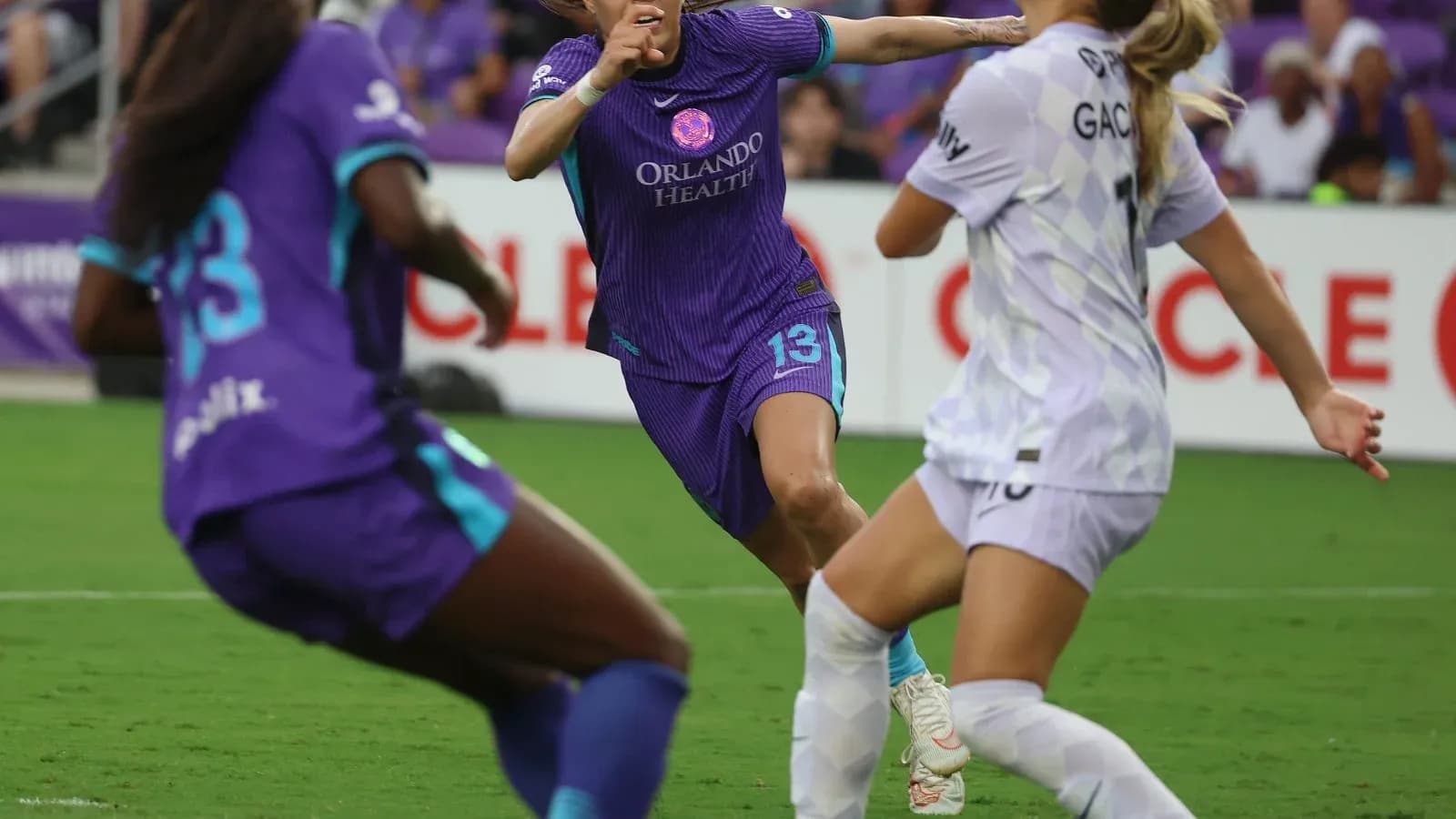
Orlando Pride W vs Portland Thorns W: Playoff Showdown

San Diego Wave W vs Kansas City W Predicted Lineups: Team News for NWSL Women
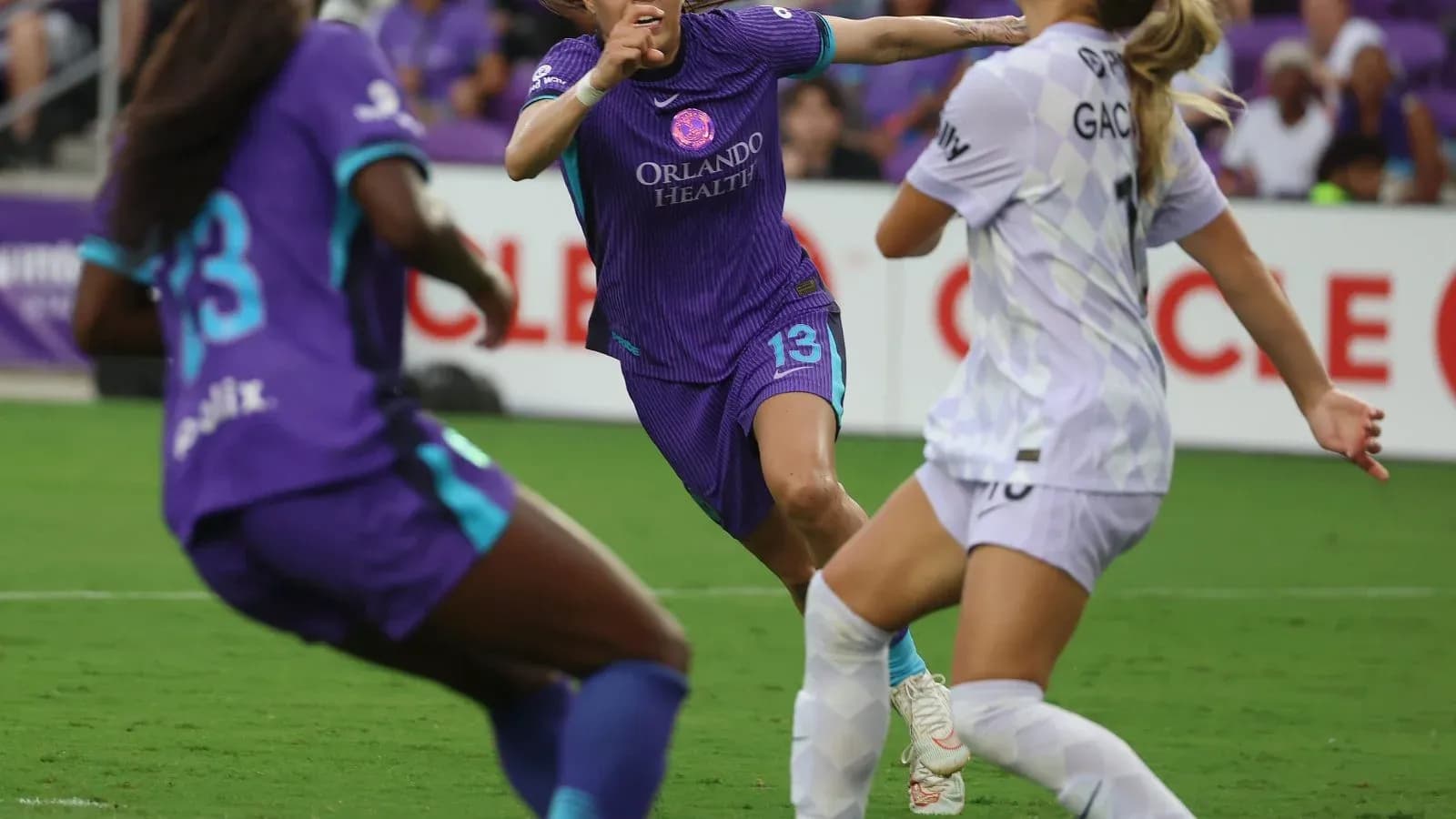
Orlando Pride W vs Portland Thorns W Prediction: Key Stats and Betting Tips

San Diego Wave W vs Kansas City W: Key NWSL Clash Preview
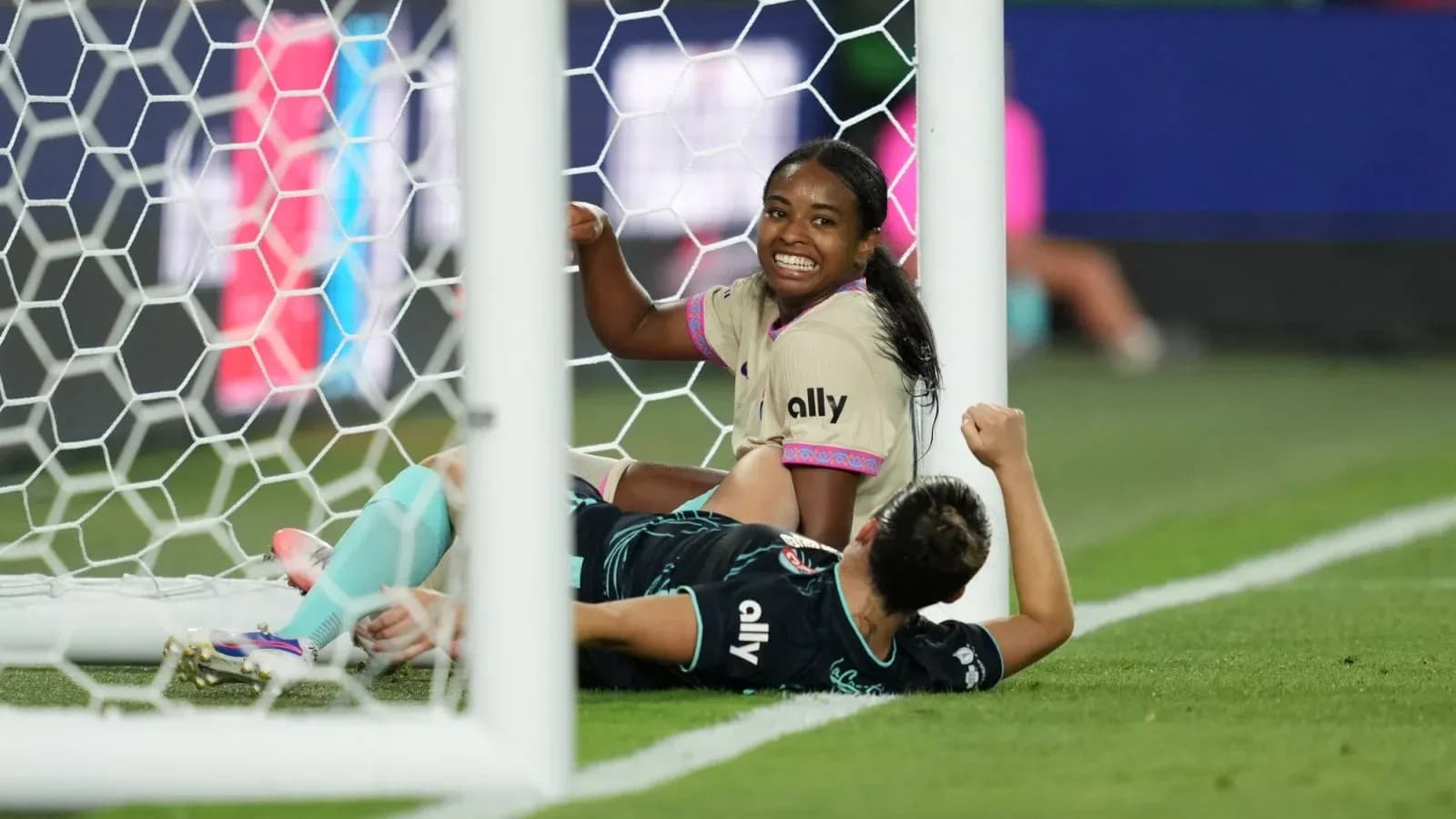
San Diego Wave W vs Kansas City W Prediction: Key Stats and Betting Tips

Portland Thorns and Chicago Red Stars Draw in NWSL Showdown