
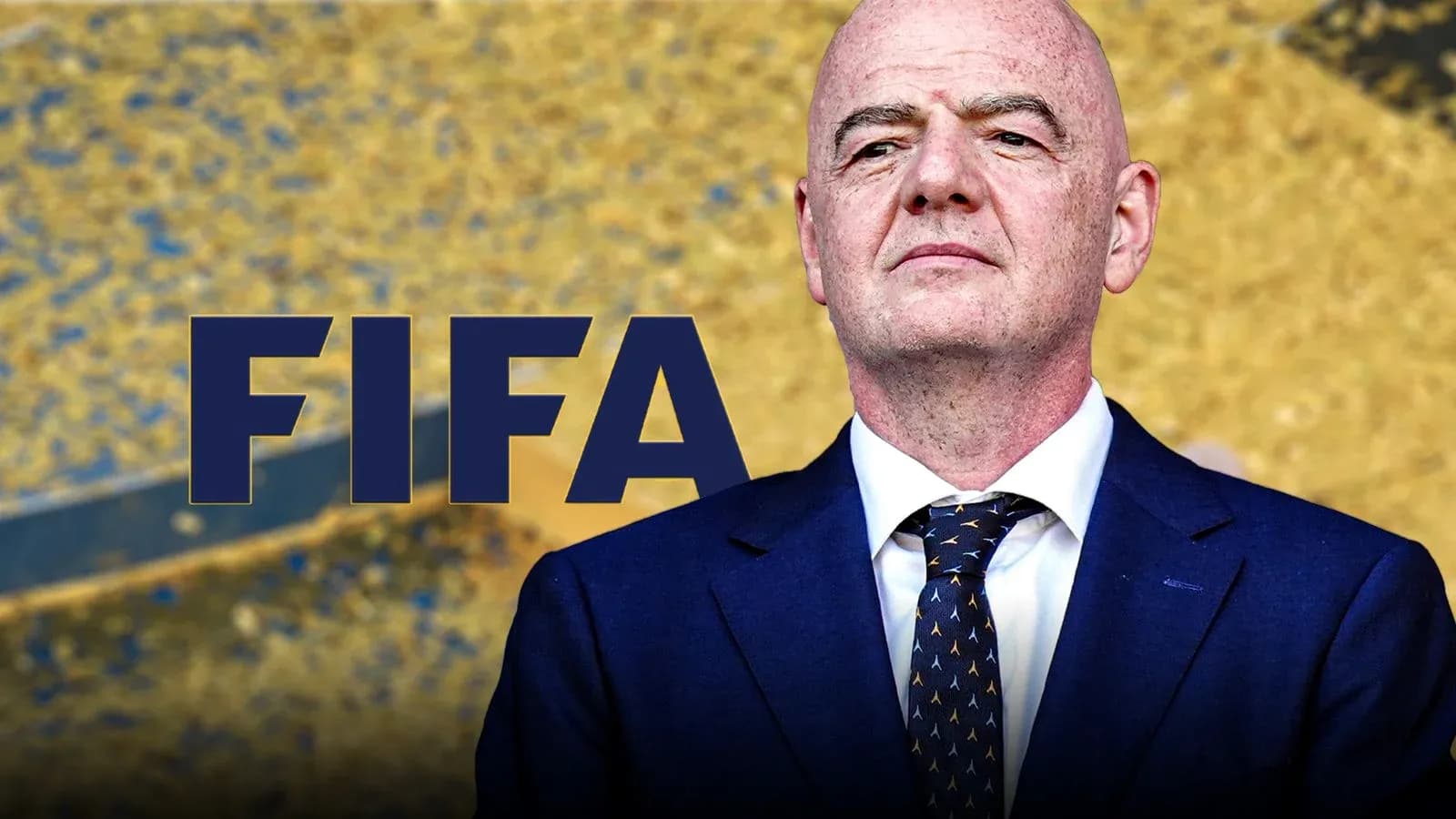
Gianni Infantino Abandons FIFA Forward Enterprise Amid Backlash
Gianni Infantino has scrapped his most explosive project yet – a plan to sell a slice of future World Cup profits to private equity – after a week of open revolt from across the football map and from within his own inner circle.
In the early hours of Saturday morning, the FIFA president abandoned the proposed FIFA Forward Enterprise (FFE), a vehicle designed to bundle the sale of FIFA’s commercial rights – broadcasting, sponsorship, ticketing and licensing – with the running of its tournaments. It was billed as a bold new era. It ended as a retreat.
A grand plan, then a rapid U‑turn
On Tuesday, FIFA had gone public. FFE was to be the future: a structure that would raise up to $4.2bn (£3.1bn) from external investors in exchange for minority, non‑controlling stakes in an enterprise valued at around $20bn (£15bn). The promise to member associations was enticing – more than $10bn in “football development funding” over the next four years.
Infantino set a tight deadline. National associations had until September 19 to sign up, with a reported £30.1m sweetener on offer to those who backed the deal. The message from Zurich was clear: this was the route to supercharged funding, especially for smaller federations.
The backlash was even clearer.
UEFA, CONCACAF and the Asian Football Confederation (AFC) lined up against the proposal. The English FA voiced “deep concern”. On social media, Prime Minister Andy Burnham cut through the financial jargon with a simple reminder: “football belongs to fans”.
The pressure finally told.
“This proposal will not proceed”
Infantino’s statement, time-stamped at 12:30am (BST), carried his name prominently – a notable detail in an organisation that usually speaks in the collective “FIFA”.
“The FIFA Forward Enterprise project was intended to provide a basis for further strengthening our FIFA Member Associations and our sport worldwide, especially in those countries where support is most needed,” he said.
He stressed that the project would only ever have gone ahead with majority backing from member associations and after consultation with the FIFA Council, confederations and “wider stakeholders”. Then came the admission that the idea had blown the game apart instead of bringing it together.
“Having listened carefully to all the views, it has become clear that the project has created divisions of a nature that, regardless of the level of support, are no longer in the interest of the objective set out in the first place. Our purpose has always been – and will always be – to unite and improve.
“As a result, this proposal will not proceed.”
Infantino closed by promising to “bring all interested parties back together in the coming days and weeks” with the aim of “growing football everywhere, particularly in those countries that mostly need our support.”
There was no apology. For Infantino, as one seasoned observer put it, sorry remains the hardest word.
Confederations push back
If Infantino had hoped the confederations would quietly fall in line, he misread the room.
On the AFC website, its president Sheikh Salman bin Ibrahim Al Khalifa openly welcomed FIFA’s decision to walk away from the World Cup stake sale.
“Any initiative that has the potential to impact global football will be presented and discussed with the Confederations, the FIFA Council, Member Associations and other stakeholders in a timely, transparent and meaningful manner,” he wrote.
“The future of global football must always be shaped through proper consultation, collective dialogue and respect for the established governance structures of our game.”
That was not just a polite thank you. It was a pointed reminder of how FIFA is supposed to behave – and how far this project had strayed from that path.
Revolt from within FIFA
The external opposition was damaging. What came next was worse for Infantino: his own people turning on the plan.
Carlos Cordeiro, one of his senior advisers and a former banker, resigned in protest, describing the privatisation move as a “bad deal for football” and “for the long-term future of the game”.
“As a senior advisor to the FIFA president, a former banker, and a lifelong football fan, I cannot stand by while FIFA considers selling a stake in the World Cup,” he said in a statement to Sky News. “Let me be clear: I had no involvement in this proposal, and I oppose it unequivocally.”
Then came Kevin Lamour, FIFA’s chief operating officer. He told the Associated Press that staff had been “deceived” by Infantino’s lack of openness over the plans, adding that they “deserve better than contempt and intimidation”.
Lamour described the World Cup sell-off as “the project of one person” and called on football’s leaders to act.
This all landed barely hours after FIFA had tried to calm the storm with a late-night communication insisting “nobody is selling football”. By Friday, that line already looked hollow.
A presidency under siege
Inside FIFA, the calculation shifted quickly. What began as a financial play had turned into a political survival fight.
Gianni Infantino has now pulled the plug in what looks like a desperate attempt to hang on to his job. The timing and tone of his statement underlined that. It was short by FIFA standards, stripped of the usual corporate gloss, and clearly marked as his alone.
Under normal circumstances, the question would be how much damage this episode has done to his reputation. Many in the game would argue there is not much left to damage.
Removing a FIFA president is notoriously difficult. Infantino has proved before that he is willing to cling on for as long as the statutes allow. Until this week, the March presidential election looked like a formality. He had secured public backing from more than 200 of FIFA’s 211 member associations, including the English FA. A coronation, not a contest.
Now? Those same federations are quietly reassessing.
Candidates must declare their intention to stand before the November 18 deadline. In boardrooms and hotel lobbies across the football world, conversations have already started. Who has the profile, the numbers and the appetite to take on an incumbent under fire?
The names in the shadows
The rumour mill has been turning for months, but this crisis has given it fresh energy.
Nasser Al-Khelaifi, the Paris Saint-Germain president and one of the most powerful figures in the sport, is often mentioned. He sits on the UEFA executive committee and has deep influence at the top level of the game. Yet those close to him insist he has no interest in replacing Infantino.
Sheikh Salman bin Ibrahim Al Khalifa is a more natural contender. He finished second in the FIFA presidential race a decade ago and now leads the AFC, which formally opposed the sell-off plans. His stance this week will not have harmed his standing among those seeking a steadier hand.
Victor Montagliani, the CONCACAF president, is another name to watch. The last World Cup was staged in three CONCACAF nations – the United States, Mexico and Canada – and historically the confederation has been close to Infantino. Their decision on Thursday to reject the FFE proposal marked a sharp break with that alignment.
Then there is Aleksander Ceferin, the UEFA president. Within Europe, he would be a hugely popular choice. He has a radically different vision of how the game should be run: no hydration breaks as marketing events, no FIFA Peace Prizes, no Qatari-owned private jets for the president, no $1m (£742,000) World Cup tickets. But there is a catch. Ceferin has never publicly shown any desire to swap UEFA for FIFA.
For now, all of this remains speculation. Infantino is still in office. He is under intense pressure and, by any measure, fighting for his job, but the point where rivals openly declare against him has not yet arrived.
What is clear is that the World Cup – the crown jewel he tried to part-privatise – has just humbled the man who runs it. The next move belongs to the federations who must now decide: stick with a bruised president, or turn this crisis into the moment football finally changes course at the very top?
Related News
Raphinha’s Hat-Trick Powers Barcelona to 7-2 Victory Over Racing Santander
Carabao Cup Fourth Round Draw: Liverpool Set to Clash with Chelsea, Arsenal to Face Fleetwood Town
Key Football Matches to Watch in Azerbaijan This Autumn
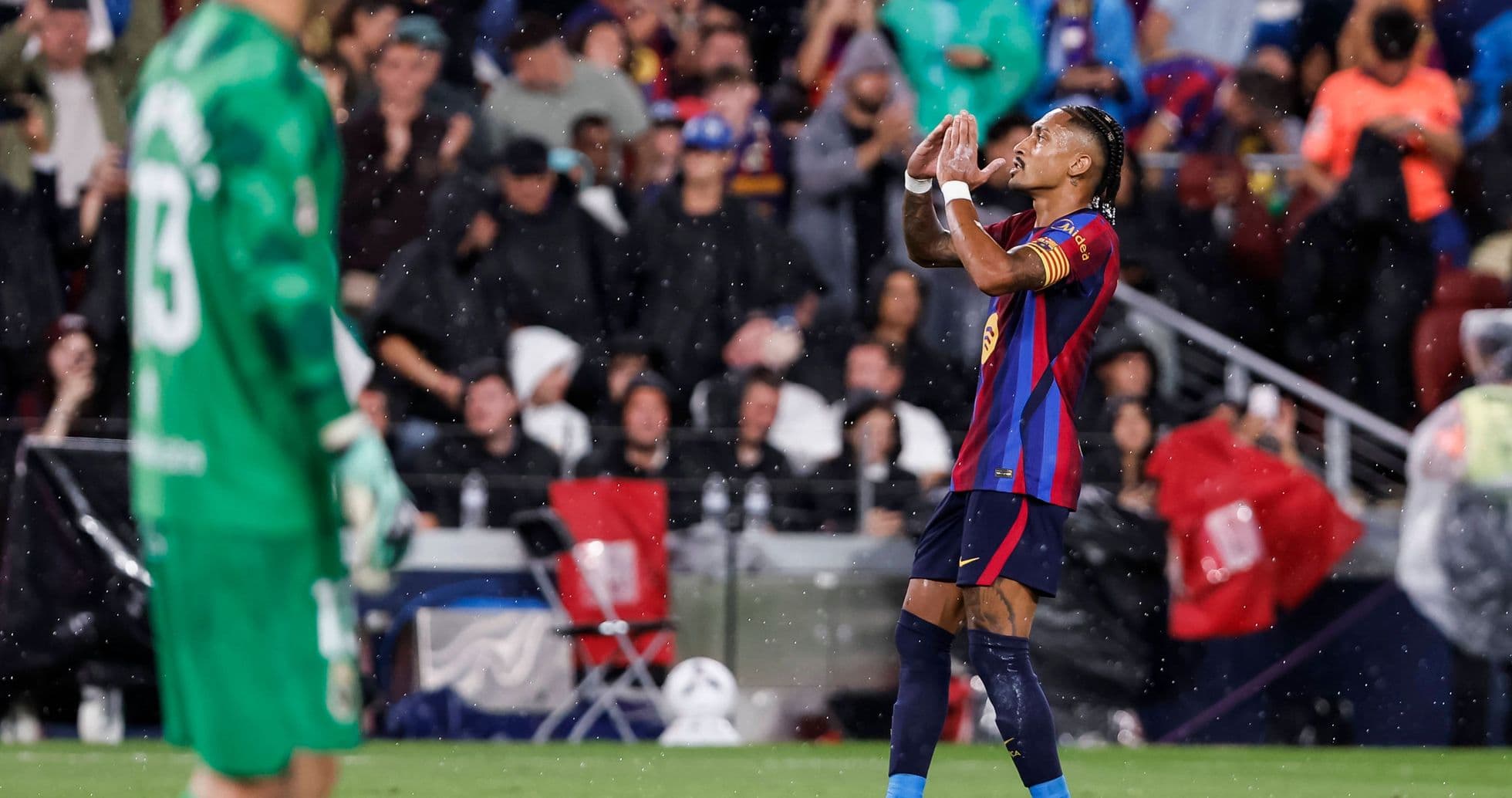
Raphinha's Hat-Trick Drives Barcelona to 7-2 Triumph Over Racing Santander
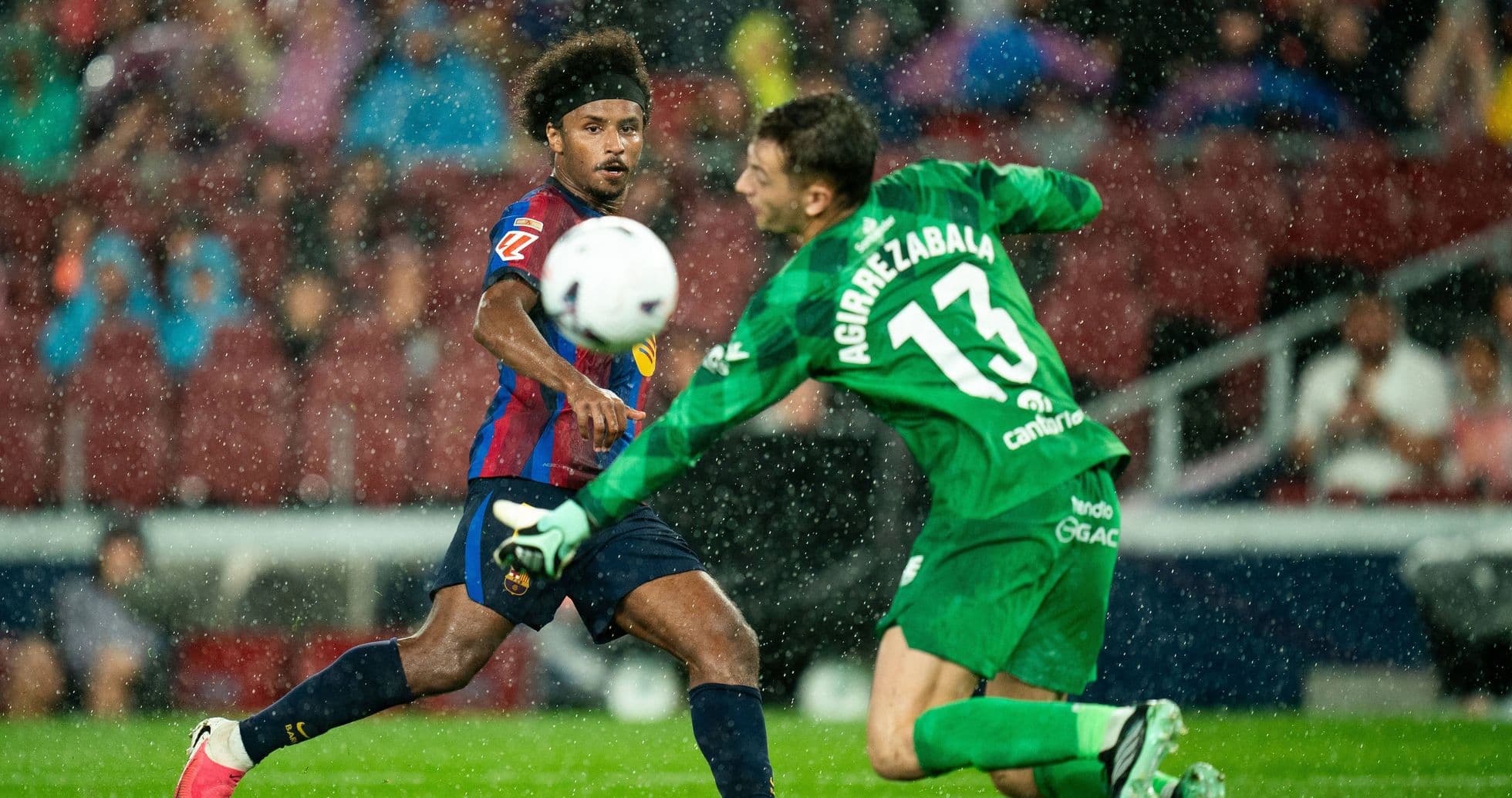
Hansi Flick Leads Barcelona to Record-Breaking Seven Wins in a Row
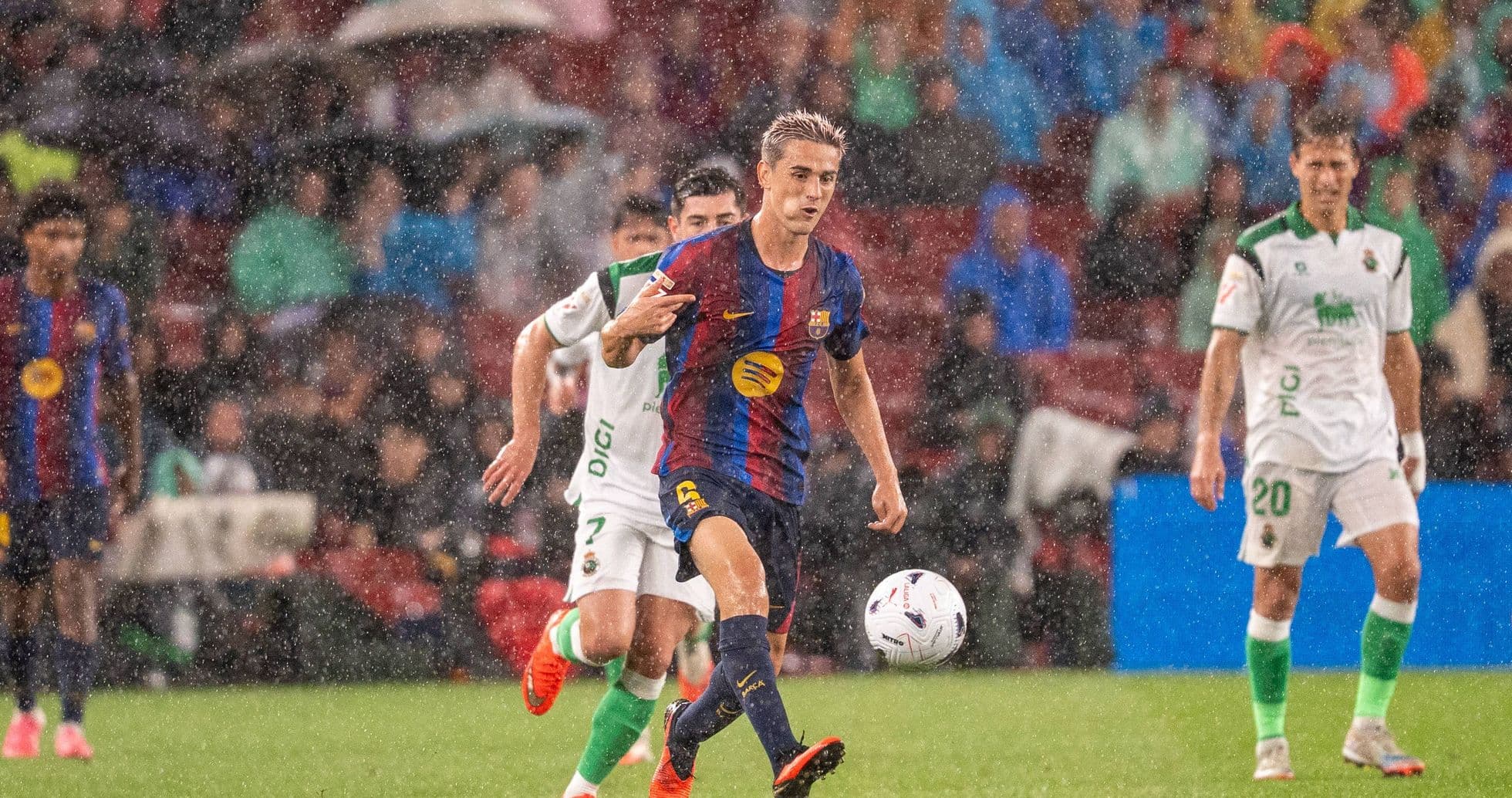
Gavi Reflects on Injury Return as Barcelona Dominate Racing Santander 7-2