
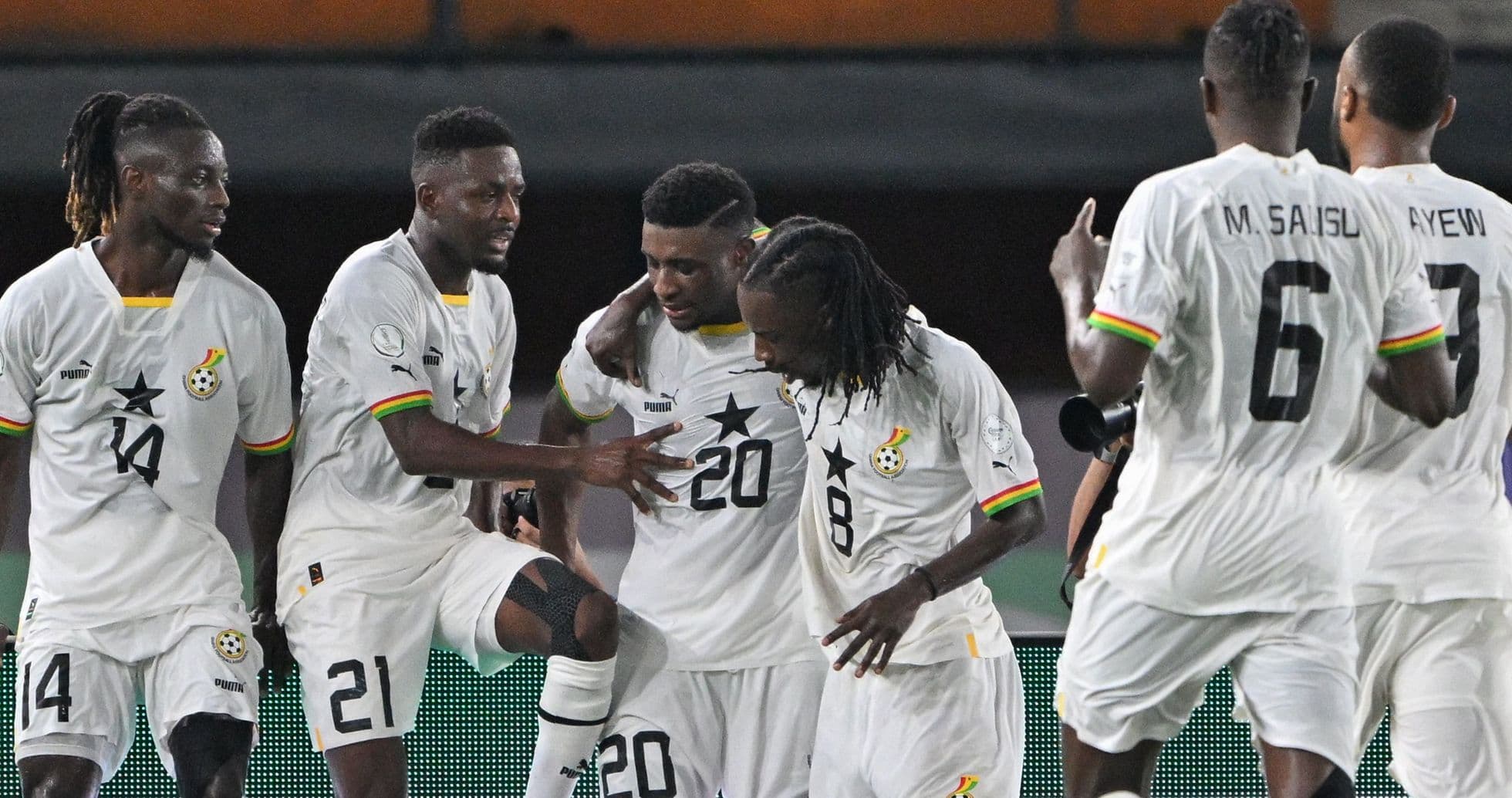
Ghana's World Cup Squad: Strengths and Challenges
Ghana arrive at the 2026 World Cup with a clear identity and a nagging sense of what might have been. Ten qualifiers, six goals conceded. The numbers tell you why the Black Stars believe they can go deep this summer. The injury list tells you why they might not.
Defence: A Wall With a Crack
Otto Addo built his side on a backline that barely flinched in qualifying. At the heart of it, the partnership between Alexander Djiku and Mohammed Salisu gave Ghana a calm, ruthless spine. That axis is now broken.
Salisu’s ACL injury rules the Monaco defender out of the tournament and rips a key piece from Ghana’s defensive puzzle. Djiku, now at Spartak Moscow, remains the reference point, but the man alongside him could define how far this team travels across the USA, Mexico and Canada.
Jerome Opoku of İstanbul Başakşehir is the frontrunner to step in. Physically imposing, aggressive in duels, he offers a natural fit next to Djiku, even if the chemistry is still a work in progress.
On the flanks, Gideon Mensah has long owned the left-back spot, yet his grip has loosened. Derrick Kohn’s rise in the Bundesliga with Union Berlin has been one of Ghana’s quieter success stories in Europe. Now he arrives in camp with form, confidence and a genuine shot at dislodging Mensah.
The friendlies before the tournament will be ruthless auditions. Patric Pfeiffer (Darmstadt 98), Marvin Senaya (Auxerre) and Derrick Luckassen (Pafos FC) have all been brought in to prove they belong in the final squad. Young defenders like Jonas Adjetey (Basel), Ebenezer Annan (Saint-Étienne) and Caleb Yirenkyi (Nordsjælland) add depth and energy, but the pecking order is clear: Djiku leads, Opoku battles to join him, and the rest fight for rotation minutes.
Behind them, Benjamin Asare is set to start in goal. He doesn’t arrive with global fanfare, but he stands behind one of Africa’s most disciplined defensive units. That counts.
Midfield: Kudus, Partey and the Search for Rhythm
If the defence gives Ghana structure, the midfield gives them personality.
Mohammed Kudus is the headline act. His goal against Comoros sealed Ghana’s place at this World Cup, and that moment still hangs over this squad as a reminder of what he can do when the stakes rise. His club season with Tottenham has been a grind – injuries, inconsistency, frustration – but tournaments have a way of wiping the slate clean. If Kudus is fit, he becomes the creative heartbeat, the player who can tilt games with one surge, one shot, one pass.
Alongside him, Thomas Partey remains the old master. Minutes have been scarce at Villarreal this season, but when Ghana needed control in qualifying, he delivered. He reads the tempo, dictates when to slow the game or quicken it, and still carries the authority of one of the squad’s most seasoned figures.
Elisha Owusu of Auxerre offers bite and balance. Injuries have slowed him, yet when he is available, he gives Addo a reliable two-way midfielder who can protect the back four and still contribute to build-up play. Ibrahim Sulemana’s return in time for the March friendlies added another option, especially in games that demand legs and intensity.
Kwasi Sibo (Oviedo), Kelvin Nkrumah and Prince Owosu (both Medeama SC) deepen the pool, but the blueprint for the big nights is clear: Partey anchoring, Sibo or Owusu beside him, Kudus pushed higher, free to drift into pockets and connect with the forwards.
One painful absence lingers. Abu Francis, who suffered a double leg fracture in a friendly against Japan at the end of 2026, is expected to miss the tournament. In a midfield where every profile counts, losing his versatility stings.
Attack: Firepower and Big Decisions
If Ghana’s defence is the platform and the midfield the engine, the attack is the show.
Antoine Semenyo has become the face of that attacking threat. He lit up the Premier League with Bournemouth, then earned his move to Manchester City and barely broke stride. Goals, movement, relentless pressing – and a Carabao Cup lifted in March to underline his rise. Ghana will look to him for moments that change games and, possibly, the tournament.
Jordan Ayew brings the armband and the numbers. Now at Leicester, he finished as Ghana’s top scorer in qualifying with seven goals and heads into what will be his third World Cup. He doesn’t just lead the line; he leads the dressing room. His experience in tight, nervy matches is one of Ghana’s quiet advantages.
Inaki Williams of Athletic Club offers power and direct running, a forward who stretches defences and gives Ghana a different dimension when games open up. Between Semenyo, Ayew and Williams, Addo has three forwards with proven records at both club and international level.
Then comes the flair. Abdul Fatawu Issahaku has exploded at Leicester with spectacular goals and fearless play. He can play wide, cut inside, and turn games with a single strike. On the opposite flank, Kamaldeen Sulemana, now at Atalanta, brings electric dribbling and a velvet first touch. If both hit form at the same time, Ghana’s front line becomes a nightmare to contain.
Ernest Nuamah (Lyon), Brandon Thomas Asante (Coventry), Christopher Bonsu Baah (Al Qadsiah) and Prince Adu (Viktoria Plzen) add depth and variety – pace, pressing, and different profiles for different game states.
And then there is the debate that refuses to die down: André Ayew. The 36-year-old has not featured since AFCON 2023, yet his name still circles every squad discussion. Some want his loyalty and history rewarded with one last World Cup. Others argue the future has already arrived. Addo must decide whether sentiment has a seat on the plane.
The Likely Shape: A Front-Foot 4-3-3
Strip away the noise and the probable XI looks bold.
Asare in goal. A back four of Alidu Seidu, Opoku, Djiku and Mensah – though Kohn lurks as a serious challenger on the left. Partey sits at the base of midfield, Sibo alongside him to handle the dirty work and link play, with Kudus pushed on as the main creative force between the lines.
Ahead of them, a front three that can hurt anyone: Fatawu Issahaku wide, Jordan Ayew central, Semenyo to complete the trio. Pace, goals, experience, unpredictability.
Predicted Ghana Starting XI (4-3-3): Asare; Seidu, Opoku, Djiku, Mensah; Partey, Sibo, Kudus; Fatawu Issahaku, Jordan Ayew, Semenyo.
The spine is clear. The talent is undeniable. The question is simple and brutal: without Salisu, and with Kudus and Partey managing fragile bodies, can this version of the Black Stars turn solidity and star power into a genuine World Cup run?
Related News
Raphinha’s Hat-Trick Powers Barcelona to 7-2 Victory Over Racing Santander
Carabao Cup Fourth Round Draw: Liverpool Set to Clash with Chelsea, Arsenal to Face Fleetwood Town
Key Football Matches to Watch in Azerbaijan This Autumn
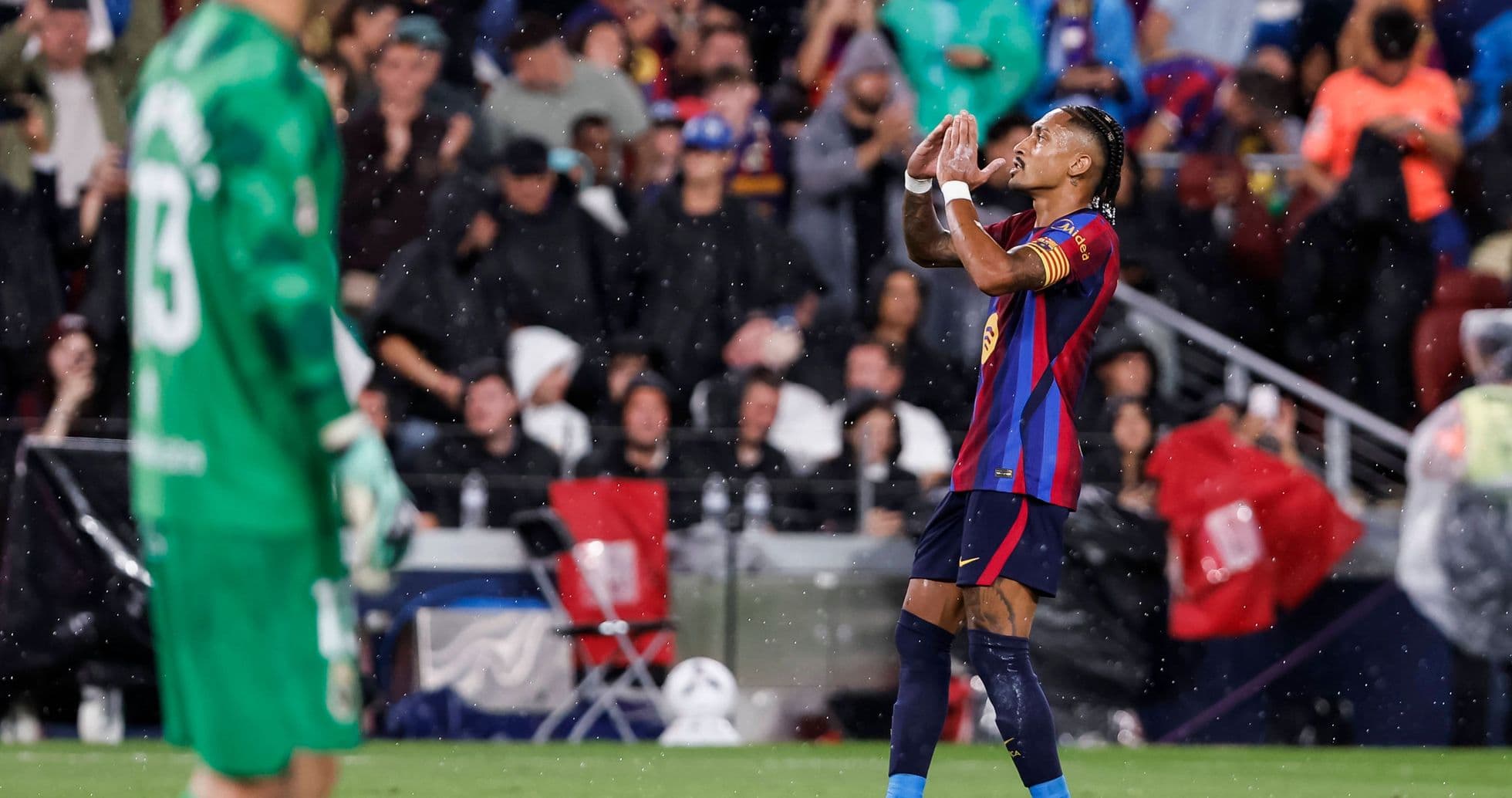
Raphinha's Hat-Trick Drives Barcelona to 7-2 Triumph Over Racing Santander
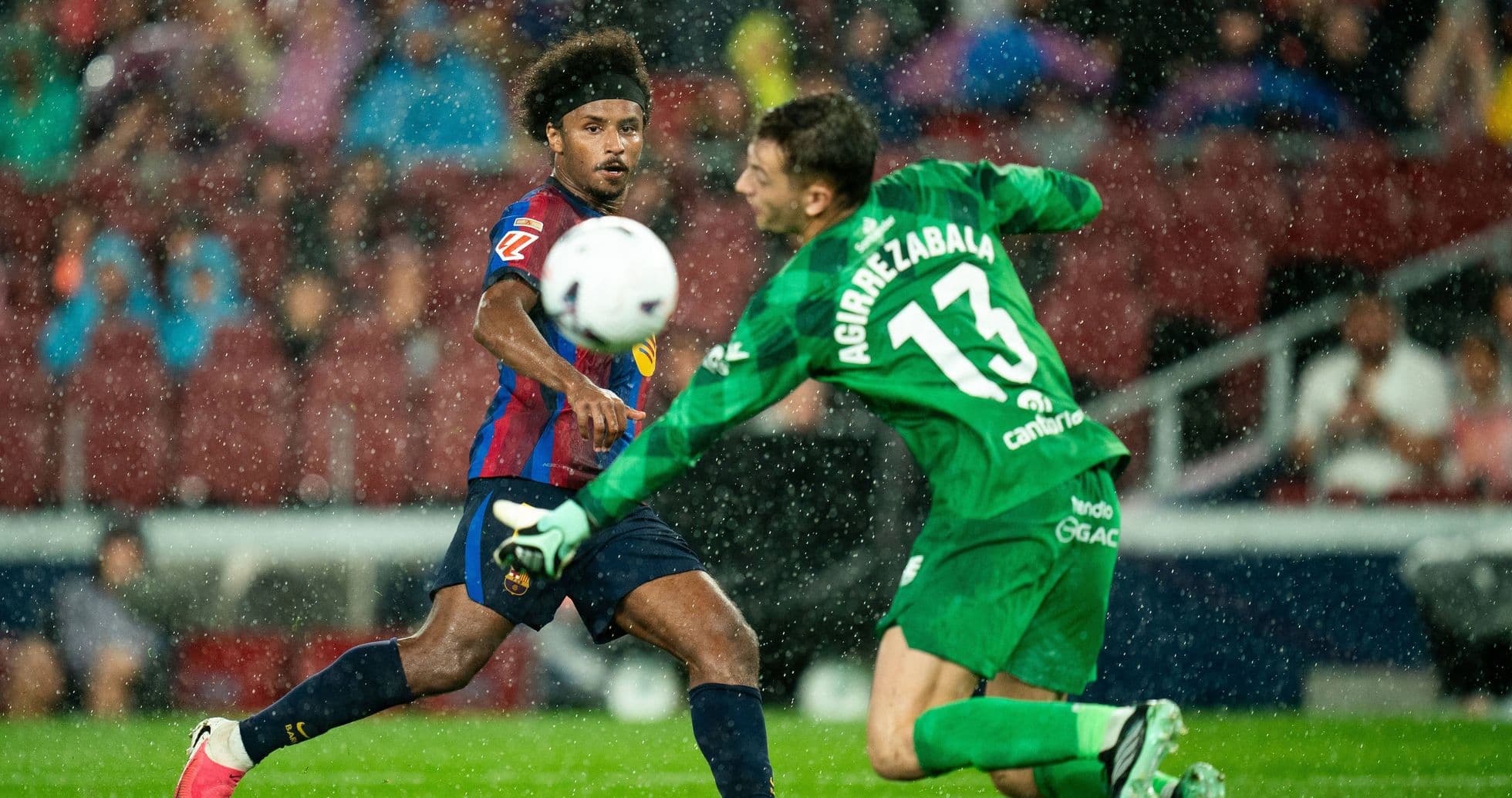
Hansi Flick Leads Barcelona to Record-Breaking Seven Wins in a Row
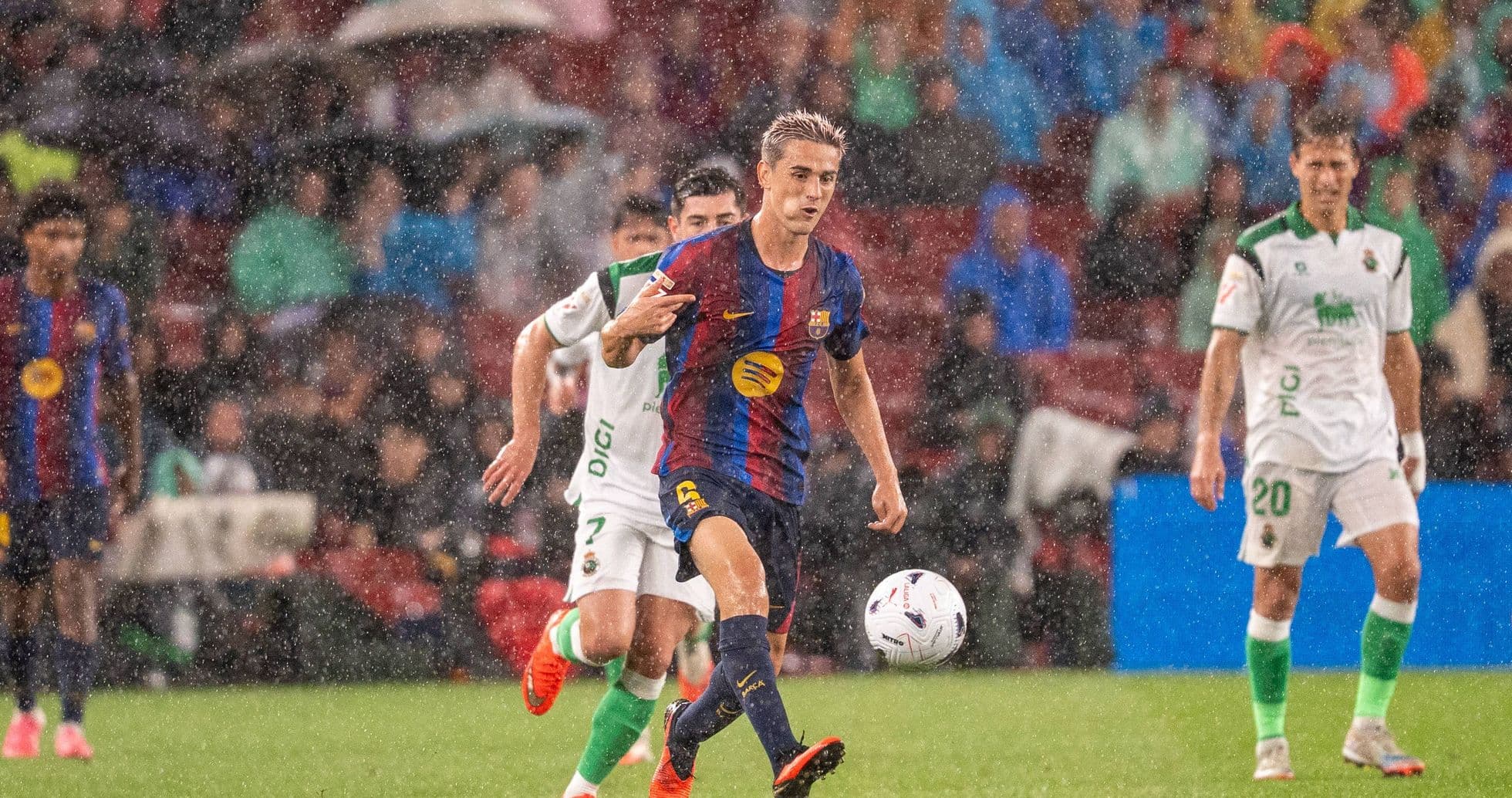
Gavi Reflects on Injury Return as Barcelona Dominate Racing Santander 7-2