
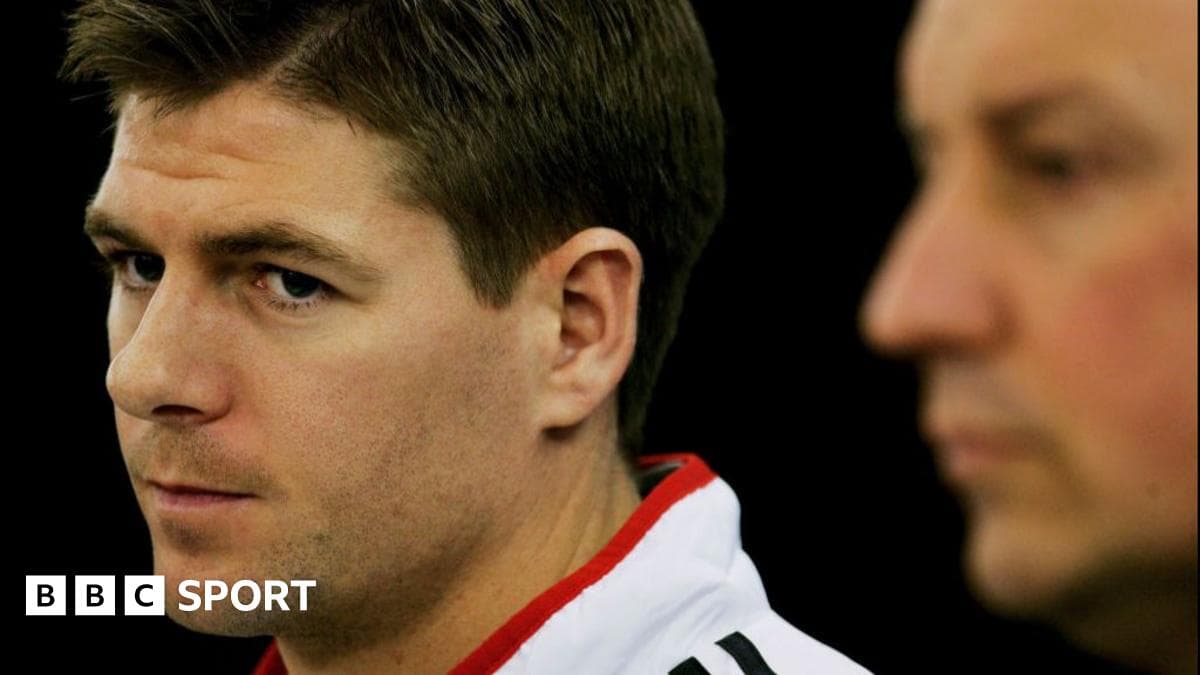
Steven Gerrard Reflects on Istanbul Glory and Managerial Struggles
Steven Gerrard calls it the best night of his life. Istanbul, 2005. The miracle comeback. The trophy lifted into the dark Turkish sky.
Yet within weeks of that towering high, Liverpool’s captain was on the brink of walking away from his boyhood club.
In a new Netflix documentary revisiting that Champions League triumph, Gerrard peels back the gloss. The euphoria of Istanbul, he says, masked a mind in turmoil. He describes himself as being in a “bad place” mentally, his head “like a box of frogs” as he wrestled with his future and his relationship with manager Rafael Benitez.
From Istanbul glory to exit door
On 25 May 2005, Gerrard dragged Liverpool back from the dead. Three goals down to AC Milan at half-time, he scored the first, raised his arms to rally the crowd, and refused to let the night die. By the end of the longest 120 minutes of his life and a penalty shootout, Liverpool had their fifth European Cup.
For many supporters, that was supposed to be the clincher. The moment that would lock their captain to Anfield for life. Real Madrid wanted him. Chelsea, newly crowned Premier League champions under Jose Mourinho, wanted him even more. Istanbul felt like Liverpool’s final, desperate argument.
Six weeks later, Gerrard told the world he was leaving. Then, almost as quickly, he reversed course.
The pull from Stamford Bridge was real. So was the temptation.
“Mourinho was on the phone – the best manager in the world at the time, offering silly contracts, which would naturally turn your head,” Gerrard recalls. “Chelsea were spending fortunes, he was guaranteed success there.”
He pauses on the conflict that defined that summer.
“I can't park my relationship with Liverpool. When they came, I didn't know which way to go. Mentally, I was in a bad place. My head was like a box of frogs.”
The money, the trophies, the chance to join a rising superpower in London – all of it collided with something deeper: his sense of belonging to Liverpool, and his growing unease under Benitez.
Cold manager, burning doubts
Benitez had arrived at Anfield in 2004 with a reputation as a meticulous, hard-edged tactician. Emotion didn’t interest him. Detail did. Control did.
For Gerrard, that was jarring.
“I felt like he didn't rate me, he didn't trust me, he didn't want me,” he says at 45, still sounding faintly bruised by that first year. “I've always been clear that I want to be a Liverpool player and a Liverpool player only, but with that doubt and with that coldness and being part of a team where you don't believe that you can compete at the top, that's when your head gets turned.”
Jamie Carragher, who lived every step of that era alongside him, believes the captain needed something Benitez simply wasn’t wired to give.
“Rafa Benitez was never going to do that,” Carragher says. “He's very unemotional.”
Former Liverpool players in the documentary describe a manager who could pick apart a performance for hours, who obsessed over shapes and distances, who often led with criticism rather than praise. For some, that sharpened their game. For Gerrard, a footballer who played as if plugged into the mains, it cut across his instincts.
“My game... was about emotion, passion, desire, commitment, for the badge, for the bird, for the family,” he says. “It was in me and I felt like he wanted to really remodel me.
“Nothing would ever satisfy him.”
Benitez, now 66, rejects the idea that he misread the environment. In his mind, he walked into a club that needed exactly what he brought.
“When I joined Liverpool, there was a culture based on emotion,” he says. “Football requires more than that. If you're really emotional, you don't find the way to success.”
Two worldviews, colliding in the same dressing room. One man coaching with a cold eye, another playing with a hot heart.
Time, though, has softened Gerrard’s verdict.
“I look back at Rafa and think he's the best coach I have worked with,” he says. The tension that once pushed him towards the exit has, with distance, turned into respect.
Owen, Benitez and a meeting that changed everything
Gerrard wasn’t the only Liverpool star wrestling with his future as Benitez walked through the door.
A year before that dramatic Gerrard saga, another homegrown hero had already decided he needed something different. Michael Owen, like Gerrard a product of the Liverpool academy, had grown disillusioned at Anfield by 2004. Gerard Houllier’s departure after finishing 30 points behind Arsenal left the club at a crossroads.
Benitez’s first major job was clear: convince his two world-class assets, Gerrard and Owen, to stay.
He flew to Portugal, where the pair were with England at Euro 2004, joined by Carragher. It sounded like the perfect setting for a charm offensive. What they got instead was a tactical inquest.
“He was on me tactically,” Gerrard remembers. “‘I don't want this, I don't want that. You can't play in this team unless we trust you.’ It was intense. And I was thinking to myself, ‘I guarantee you, you'll need me before I need you.’”
If Gerrard felt under the microscope, Owen walked into something similar. This was a striker who had just three years earlier won the Ballon d'Or, yet Benitez homed in on a supposed flaw.
Carragher recalls the message: Benitez told Owen he needed to “turn on the ball quicker.”
“That's absolutely what I was probably the best in the world at, at the time,” Owen says, now 46. “He certainly didn't go any way to convincing me to stay, put it that way.”
By August 2004, Owen was gone, sold to Real Madrid for £8m. Another Liverpool prodigy, another emotional connection severed.
Benitez, though, remembers that summit in Portugal very differently.
“You can see when you talk with someone if he's happy with the conversation,” he says. “I think they were quite happy.”
Two perspectives, miles apart, on the same conversation. One side hearing criticism and conditions. The other believing it had set out a clear, professional vision.
Legacy of a fraught partnership
The documentary doesn’t rewrite history so much as colour it in. Istanbul remains Gerrard’s greatest night. Benitez still stands as the architect of Liverpool’s fifth European crown.
What emerges is the cost of that success: a captain pushed to the brink of leaving, a Ballon d'Or winner who did walk away, and a manager who believed emotion alone would never be enough.
Gerrard stayed and wrote his legend in red. Owen left and never quite found that same bond again. Benitez imposed his structure and delivered Europe’s biggest prize.
The question that lingers is not what they won together, but how close they came to tearing it all apart in the process.
Related News
Raphinha’s Hat-Trick Powers Barcelona to 7-2 Victory Over Racing Santander
Carabao Cup Fourth Round Draw: Liverpool Set to Clash with Chelsea, Arsenal to Face Fleetwood Town
Key Football Matches to Watch in Azerbaijan This Autumn
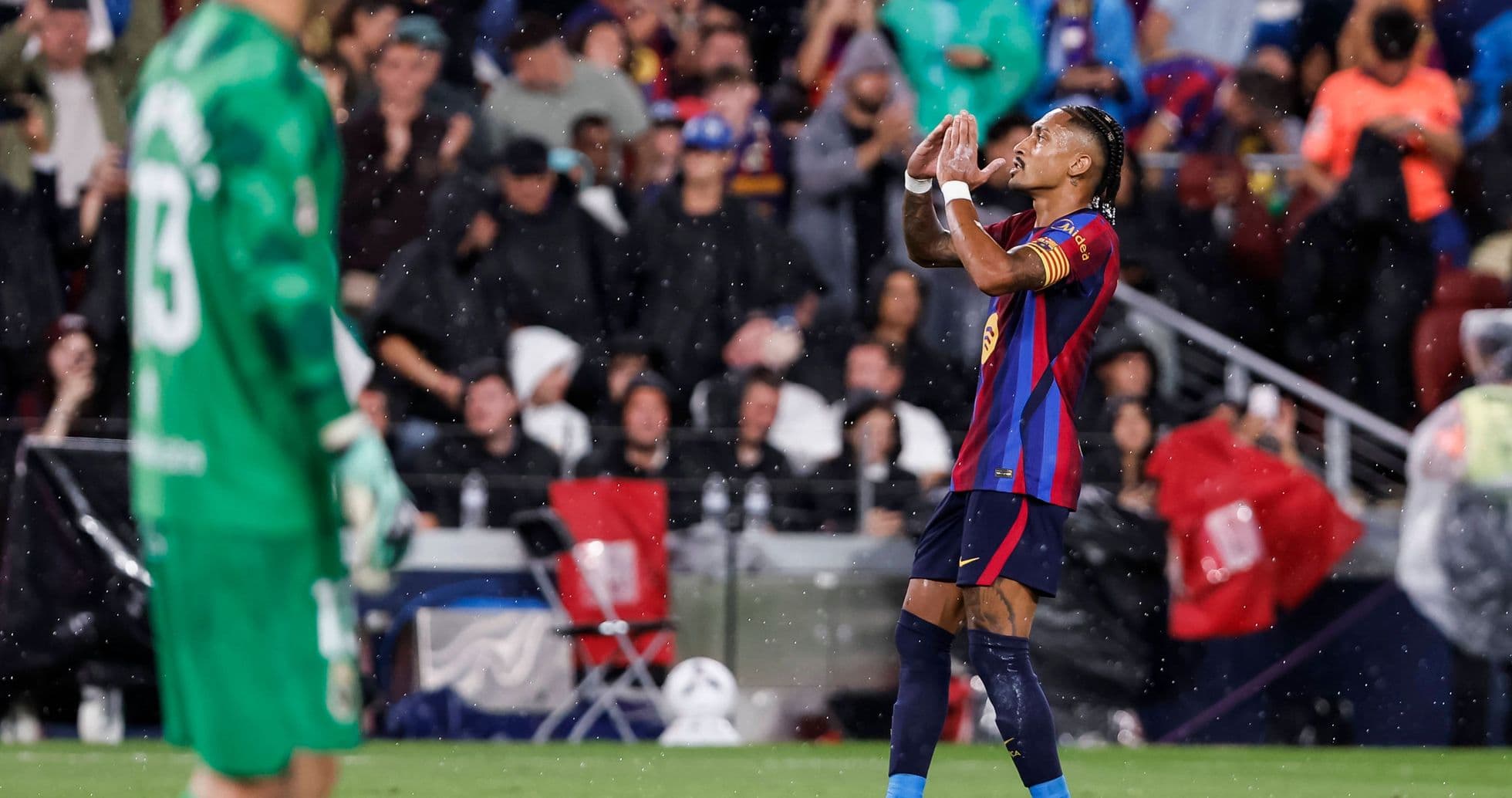
Raphinha's Hat-Trick Drives Barcelona to 7-2 Triumph Over Racing Santander
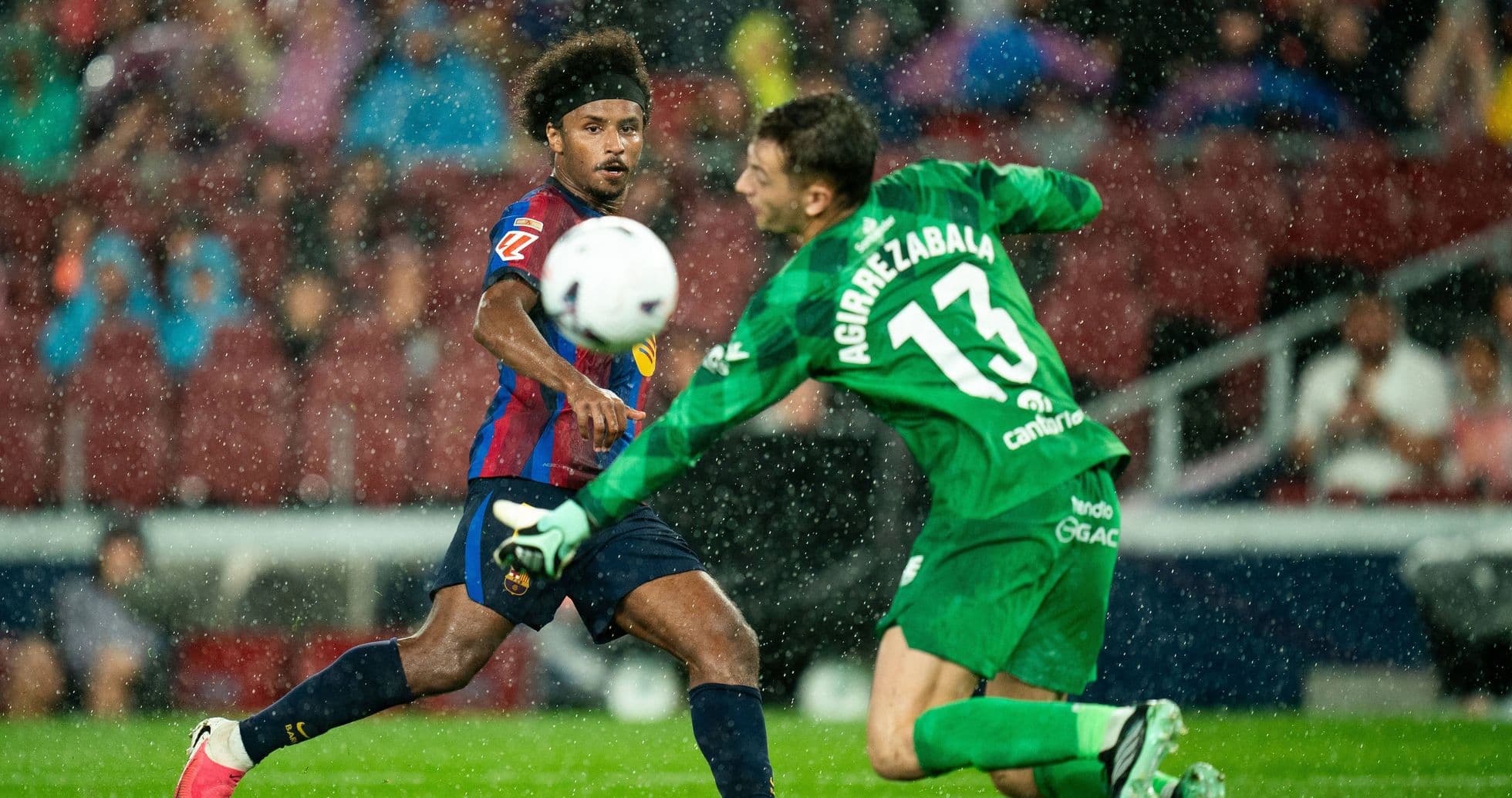
Hansi Flick Leads Barcelona to Record-Breaking Seven Wins in a Row
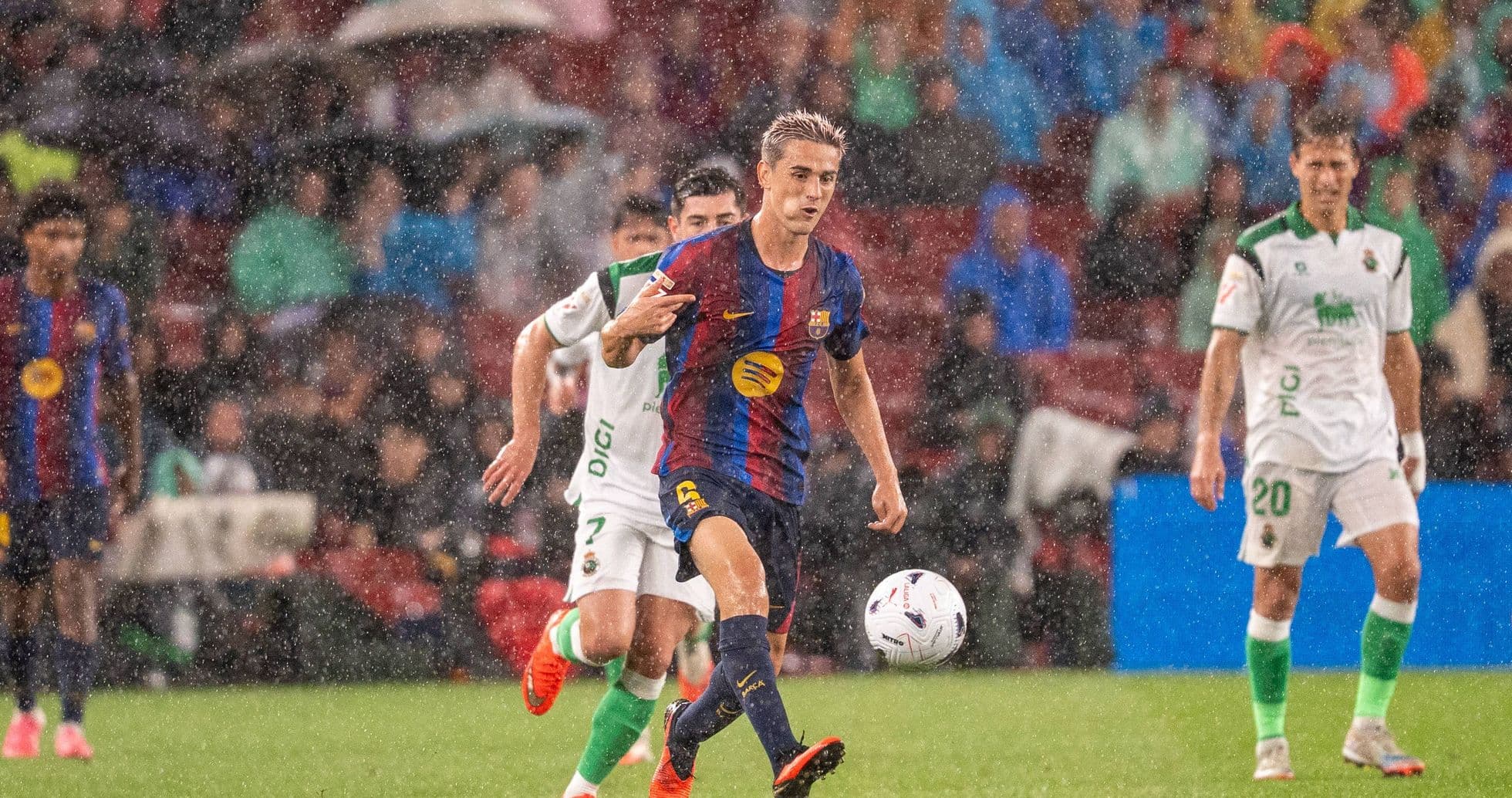
Gavi Reflects on Injury Return as Barcelona Dominate Racing Santander 7-2