
What Responsibilities Does a Football Team Captain Have?
Wearing the captain's armband might appear simple, but the role demands much more than just a symbol. Captains work behind the scenes to help their team achieve the best possible outcomes.
The Role of a Football Captain
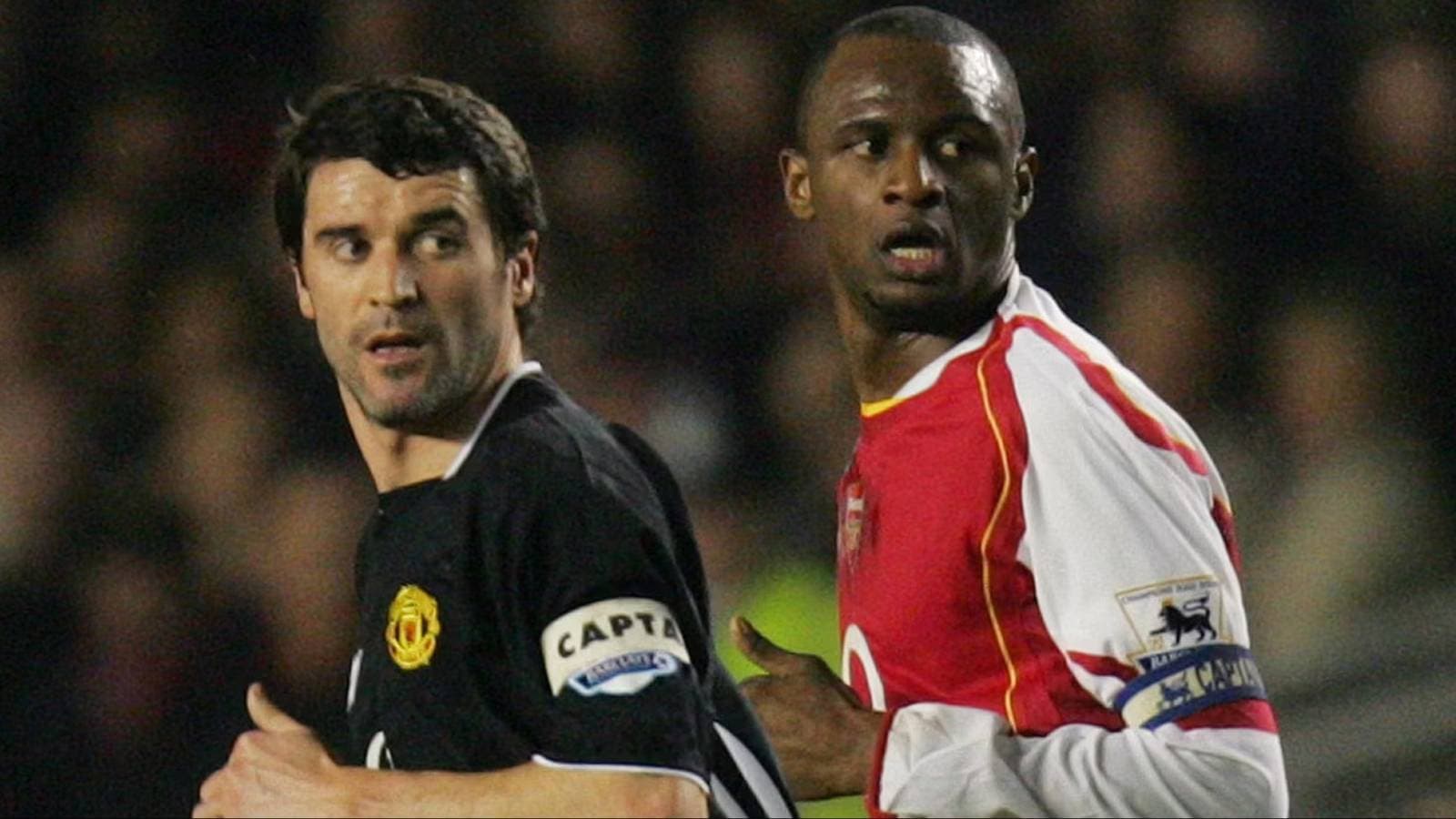
Some of the most iconic football captains have made their mark far beyond just wearing the armband. Roy Keane was known for his intense leadership at Manchester United, setting standards that few have matched since. Steven Gerrard led Liverpool with sheer determination, while Sergio Ramos commanded Real Madrid's defense with authority. At Barcelona, Carles Puyol consistently provided leadership that helped secure Champions League success.
Though the captain's armband is a small piece of fabric, it represents huge expectations of leadership, responsibility, and character every time a player steps on the pitch.
What Exactly Does a Captain Do?
On the surface, a captain’s duties seem straightforward: they represent the team in talks with referees, manage teammates during tense moments, lead the team out onto the field, decide ends after the coin toss, and deliver motivational speeches during huddles.
But much of the captain’s influence happens away from the public eye. They act as a link between the players and the manager, translating coaching instructions into terms the team respects. When performances drop, the captain steps up to identify issues and raise standards. Struggling younger players often find encouragement or guidance from the captain before hearing from the coach.
During matches, captains organise the team's shape, communicate constantly, and make quick decisions about pressing, set-piece arrangements, and whether teammates need encouragement or firm words to refocus.
Emotional Leadership on the Pitch
The best captains help control emotions in high-pressure moments. Football games can be wildly unpredictable, and a team looks to its captain to maintain calm. Keane’s aggression was always channelled for the team's benefit, while other captains may stay calmer but serve the same purpose — keeping eleven individuals working as one unit.
Traits That Make a Good Captain
Managers choose captains based on different styles. Alex Ferguson preferred the fiery intensity of Roy Keane, whose aggression could energise his teammates. Meanwhile, Jurgen Klopp opted for the steadier presence of Jordan Henderson and sometimes Virgil van Dijk, aiming for a calm but effective leadership style. Both methods brought Premier League titles.
Certain traits remain constant for great captains:
- Respect from teammates: Without trust and belief, leadership fails. Respect is earned through consistency, professionalism, and putting the team first.
- Communication skills: Knowing when to offer support or issue a challenge helps a captain guide teammates effectively.
- Accountability: Captains must hold themselves to the same standards they expect from others.
Notable Captains in Football History
- Sergio Ramos: Joined Real Madrid in 2005 and captained them to multiple Champions League trophies and La Liga titles, leading during a dominant era.
- John Terry: A Chelsea defensive icon who helped Mourinho's team concede only 15 goals in a season and won numerous trophies including the Champions League.
- Didier Deschamps: Before managing France, he captained the national team to 1998 World Cup victory, playing a selfless role often described by teammate Eric Cantona as the 'water carrier,' focusing on winning the ball and enabling skillful teammates.
The captaincy does not automatically create leadership, but when given to the right person, it can transform a team.
Related News

Top 10 Assist Leaders in Europe’s Big Five Leagues for 2026-27 Season: Gordon, Gakpo Shine
Top 30 Players in Europe's Leading Leagues for 2026/27 Season Based on Stats

Top 10 Football Leagues in the World Right Now

Top 10 Football Managers with the Most Trophies in History
Top 30 Most Valuable Football Clubs Worldwide
Europe's Greatest Football Dynasties: Real Madrid, PSG, Liverpool and More