
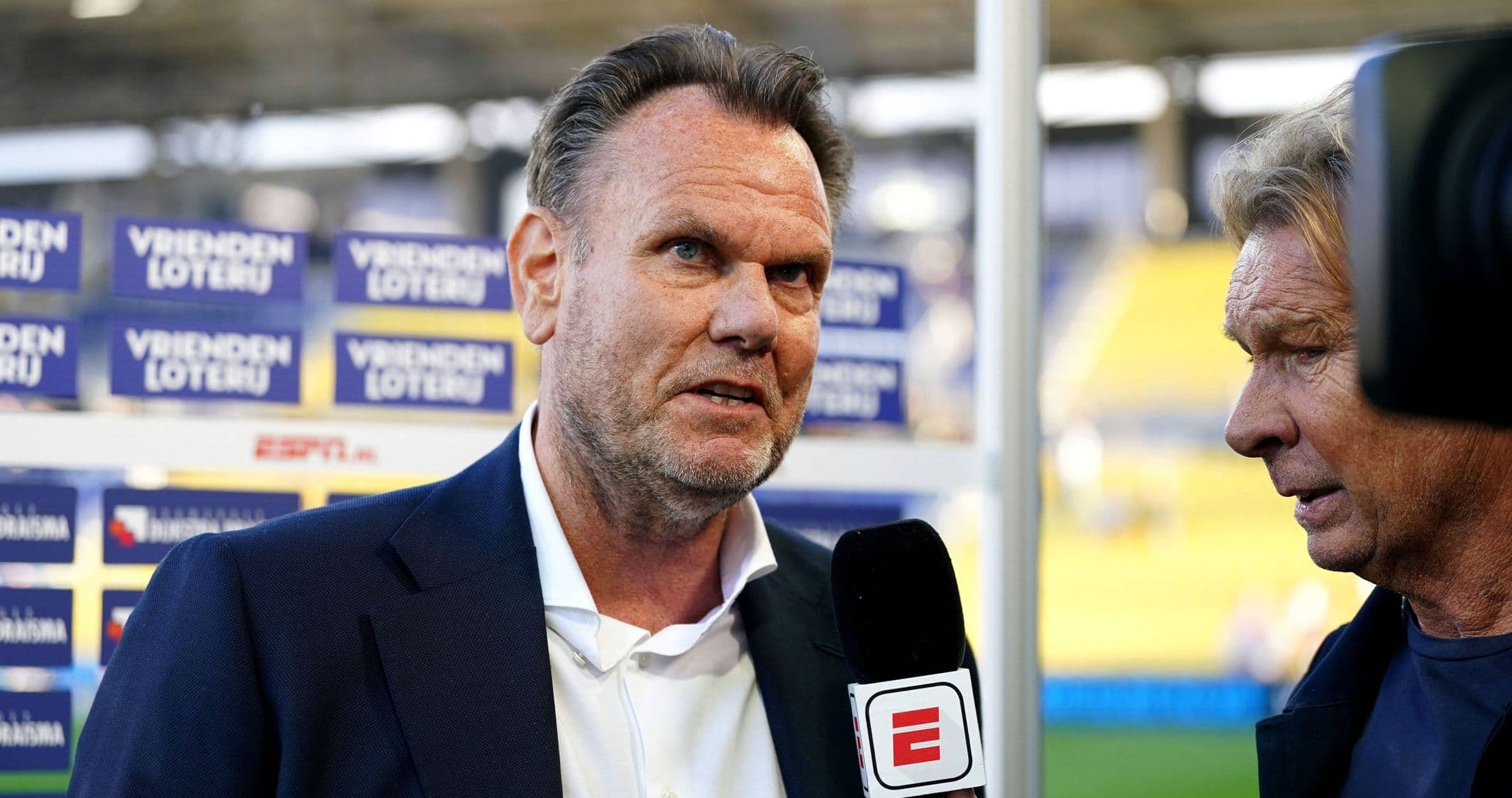
Feyenoord's Transfer Window Controversy: Leadership Under Fire
Feyenoord’s transfer window has sparked a storm in Rotterdam, and two prominent Dutch journalists are pointing the finger squarely at the club’s leadership.
On the Kick-Off podcast from De Telegraaf, Mike Verweij and Valentijn Driessen tore into technical director Dévy Rigaux and general director Robert Eenhoorn, accusing them of botching a crucial window and bowing to shareholder interests.
“They did something wrong in this transfer window”
Verweij highlighted what he sees as a painful contrast between Rigaux and his predecessor Dennis te Kloese.
“Rigaux has taken a huge swipe at his predecessor Te Kloese,” Verweij began. “But now it turns out that Te Kloese, with the money for Hadj Moussa included, had 40 million.”
He then laid out the numbers he believes Feyenoord mishandled. According to Verweij, there was:
- A €25 million bid for Ayase Ueda, who ended up going to Lille OSC “far too cheaply”.
- Interest in Leo Sauer Read that “could almost have risen to 35 million”.
- A €20 million offer from Hull City for Anass Zaroury Targhalline.
In Verweij’s view, Feyenoord failed at the most basic task of the window: selling at the right time.
“If they had simply done their job and sold the right players, Feyenoord would for the time being have had a great deal of financial resources,” he said. He reminded listeners that Te Kloese had previously assembled a squad “worth around €120 million”.
“So I think Rigaux and Eenhoorn did something wrong in this transfer window. If they had sold Read immediately, they could have been much more effective in the transfer market,” the Ajax watcher concluded.
The power of the Friends of Feyenoord
Driessen then pushed the discussion away from purely sporting choices and straight into the club’s ownership structure.
“It all comes back to the Friends of Feyenoord again,” he said. The group holds 49 percent of the club’s shares, and that, in Driessen’s eyes, shapes everything.
He outlined the financial mechanism he believes is tying the club’s hands. “The moment Feyenoord pay €17.5 million, they lose 25 per cent. And in two years’ time, again.” On top of that, he stated that Feyenoord are obliged to buy part of the Friends’ shares if the club records a positive transfer balance in a window.
“And they certainly would have done that if one of those transfers had gone through,” Driessen argued. “Then that transfer balance would have been so high that they would have been obliged to buy part of the Friends’ purchases.”
The implication: big outgoing deals don’t just fill the transfer kitty, they trigger costly obligations towards the Friends of Feyenoord.
“Eenhoorn is simply an extension of the Friends”
From there, Driessen went a step further and directly questioned Eenhoorn’s independence.
“The Friends of Feyenoord do not want out,” he claimed. “And Eenhoorn came in at the request of the Friends. He is their favourite, and became director. So he is not going to go against those Friends.”
According to Driessen, that dynamic played a decisive role in the failed move of Hadj Moussa to Al-Ittihad, a transfer he says was worth €40 million.
“Eenhoorn allowed himself to be influenced into not letting the Hadj Moussa transfer go through,” Driessen said of the technical director.
Feyenoord have been linked to a rejected bank guarantee as the reason the deal collapsed, but Driessen dismissed that explanation outright.
“It concerns a €40 million transfer. It concerns Saudi Arabia, just ask Ajax. They have always had the money and are solvent.”
He painted a picture of a club dragging its feet rather than driving a record sale.
“Feyenoord were also hardly reachable by phone, it was very difficult to get in touch with them. It was dragged out for a very long time, and in the end the medical could no longer take place.”
Driessen then delivered his harshest line. “Robert Eenhoorn is simply an extension of the Friends of Feyenoord. He is their mate. The moment someone puts you forward and you can serve their interests, that happens nine times out of 10.”
According to him, Eenhoorn has already made clear he is “not exactly eager” to buy out the Friends, locking the club into a structure that continues to shape its transfer decisions.
“And then you remain stuck with those Friends,” Driessen concluded, leaving a pointed question hanging over Feyenoord’s ambitions: how far can the club really go if every big deal is weighed against the interests of its most powerful shareholders?
Related News
Iraola's Return to Bournemouth: Liverpool's New Era
JJ Gabriel's Future in Doubt as 'Kid Messi' Considers Leaving Man Utd
Owen Elding's Long-Awaited Call-Up to Ireland's Squad

Nick Woltemade Shines in Juventus Victory Over NEC Nijmegen
Todd Boehly's Chelsea Tenure: From Showman to Footnote

Manchester City vs Sunderland: Maresca’s Winning Streak Continues