
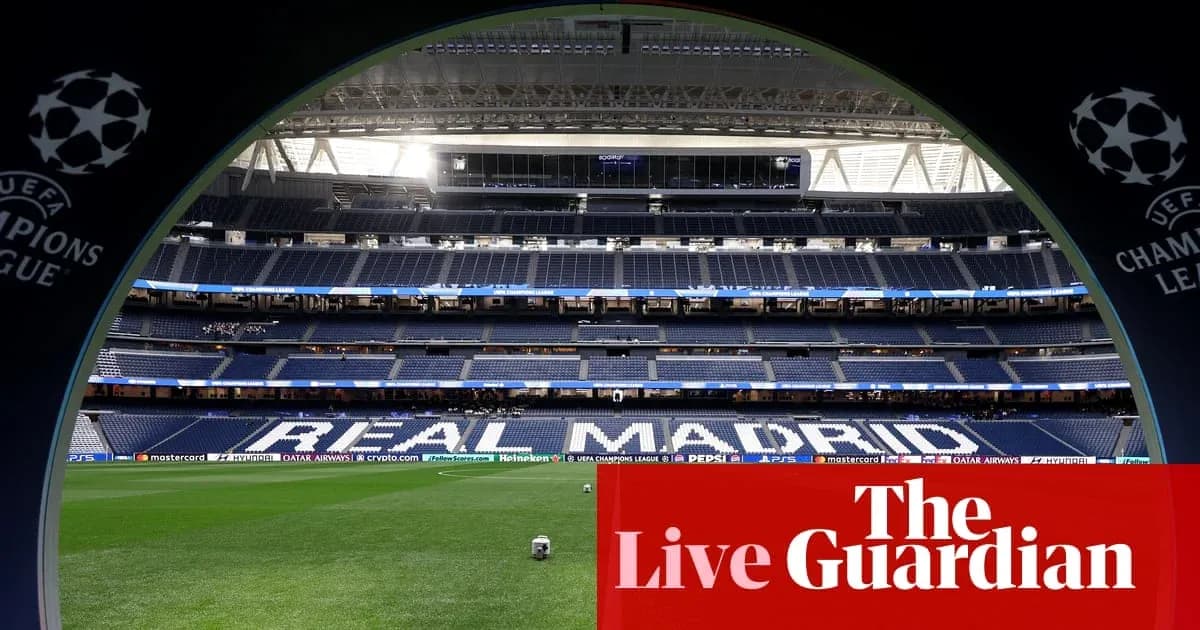
European Football's Evolution: From Maradona to Super Leagues
On a warm night in September 1987, Diego Maradona’s Napoli walked into the white heat of the European Cup at the Bernabéu and were sent straight back out of it. La Quinta del Buitre’s Real Madrid won the first leg 2-0, then held Napoli 1-1 at the San Paolo. That was it. One of the great sides of the era gone in the first round, barely time to light a cigarette.
Watching from afar, Silvio Berlusconi hated every second of it. Not just because he liked seeing the stars on show, but because he owned AC Milan and could see his own investment suffering the same fate: a giant club, a giant audience, and barely any European football to sell. So he started pushing a different vision – a European super league, a closed shop for the elite.
The breakaway never actually landed. Uefa, rattled by the threat, moved first. Five years later, the Champions League was born, a rebrand that quietly rewrote the rules of access and survival.
That still didn’t scratch the itch. One club per country became two, then three, then four. In some cases, five. The logic hardened: keep the biggest names in the competition for as long as possible, keep the money flowing, reduce the risk of a Maradona-style early exit. Now comes the Swiss model, the Berlusconi dream taken to its logical extreme – a swollen league phase, marquee ties stacked up, jeopardy diluted.
Gabriel Hanot, the journalist who first imagined a pure continental cup, would look at this and weep. Yet here we are, locked in for Real Madrid v Internazionale and unable to look away.
Because the football still seduces. It always does. The intrigue around Madrid v Inter is thick enough on its own: José Mourinho, handed what feels like his latest last chance at the very top, trying to prove he still has something special left. In the other dugout, Cristian Chivu, once his loyal lieutenant, now the man charged with steering Inter where Mourinho once took them, into the rare air of genuine contention.
That’s only one strand of the night. Borussia Dortmund bring their noise and their yellow wall against Villarreal, and eyes will drift again and again to Konstantinos Karetsas, the 18-year-old midfielder who has started life at the Westfalenstadion like he owns the place. Every touch, every turn, a fresh reminder that this competition still throws up new stories even as its format bends towards the same old names.
Elsewhere, Porto face Manchester City, a meeting of European stalwarts and the modern superpower who now treat the Champions League as both obsession and entitlement. Lille host Real Betis, another tie tucked into a schedule so dense it barely leaves room to breathe, let alone reflect on what it all actually adds up to.
Maybe that’s the point. Maybe context has been priced out. The calendar is stuffed, the narratives overlap, and the meaning blurs. But millions will still lock in tonight, scanning screens for moments of brilliance, outrage, redemption.
And that’s only the continental side of it. Back home, the League Cup bubbles away, a different kind of theatre: rotated XIs, kids chasing a first real audition, veterans clinging to relevance, managers quietly measuring how much risk they can take. Kick-offs are staggered – 7.45pm and 8pm BST in the League Cup, 8pm in the Champions League – a rolling wave of football from early evening to late night.
So you pick your poison. Bernabéu glamour, Westfalen noise, a drenched midweek tie in the League Cup. The structures may have bent to the will of money and power, but the game still offers what it always has: ninety minutes where anything might happen, and a season that can change on a single night.
Related News
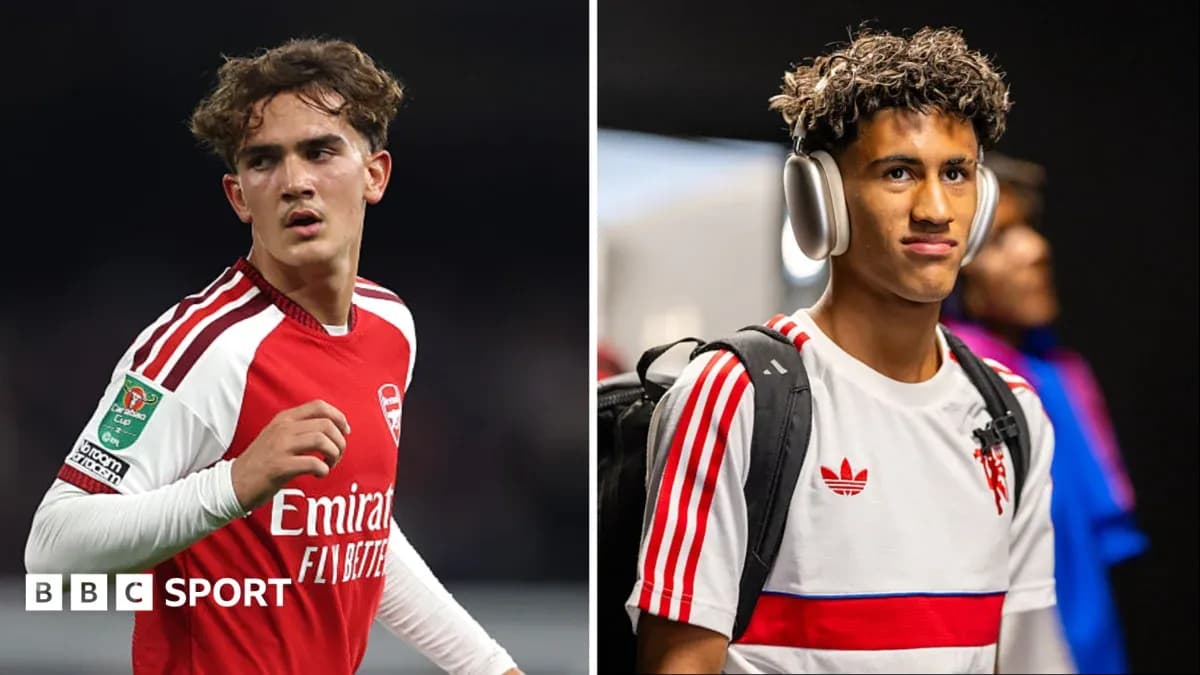
Max Dowman Shines in EFL Cup, JJ Gabriel Seeks Exit from Manchester United
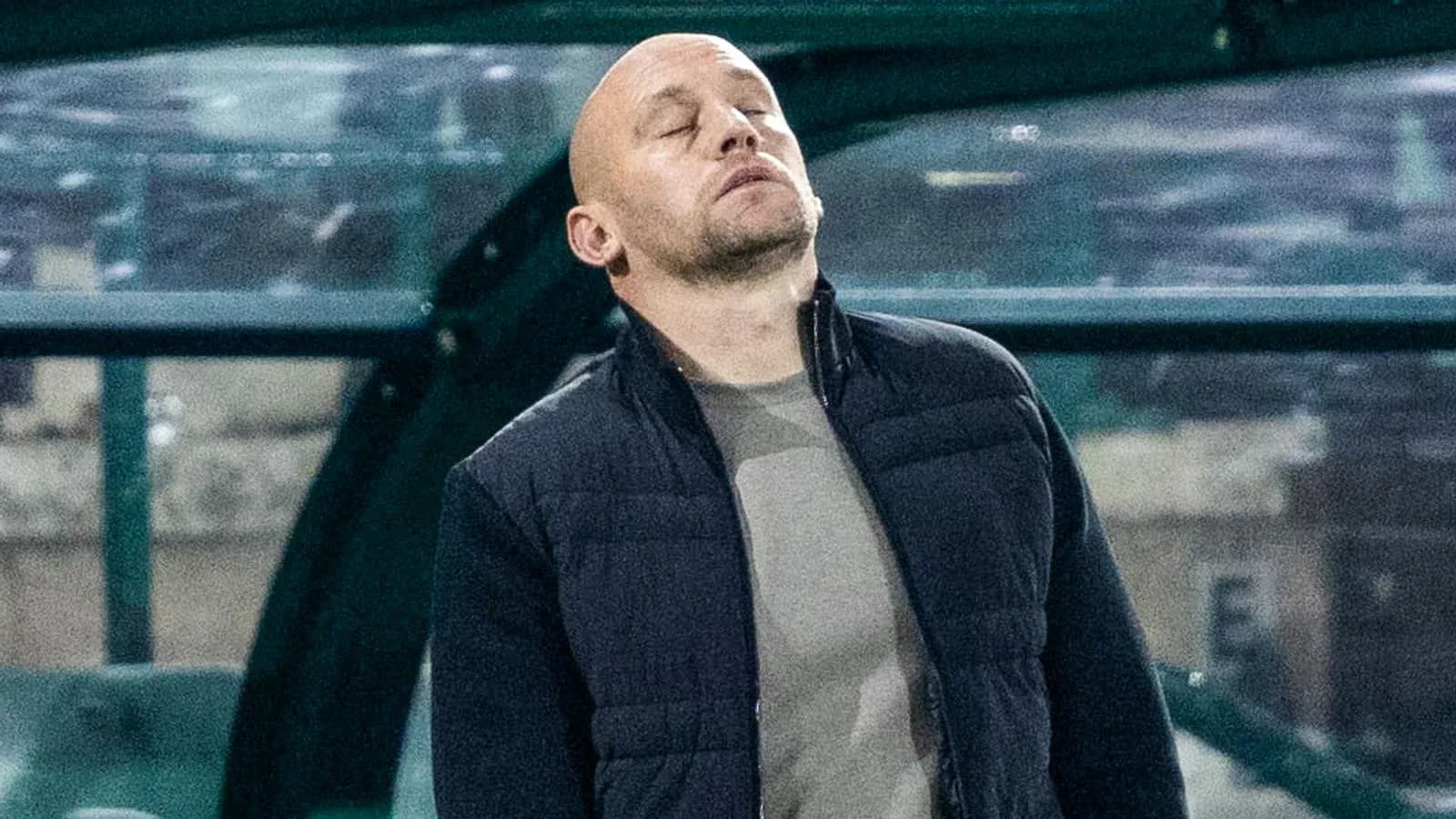
Hibernian Sack Coach David Gray Amidst Poor Performance
David Gray's Hibernian Tenure Ends After Six Games
Juventus vs NEC Nijmegen: Spalletti's Focus on Mentality
Cristiano Ronaldo's Future at Al-Nassr in Question After AFC Champions League Defeat
Mikel Merino's Leadership Shines in Carabao Cup Match