
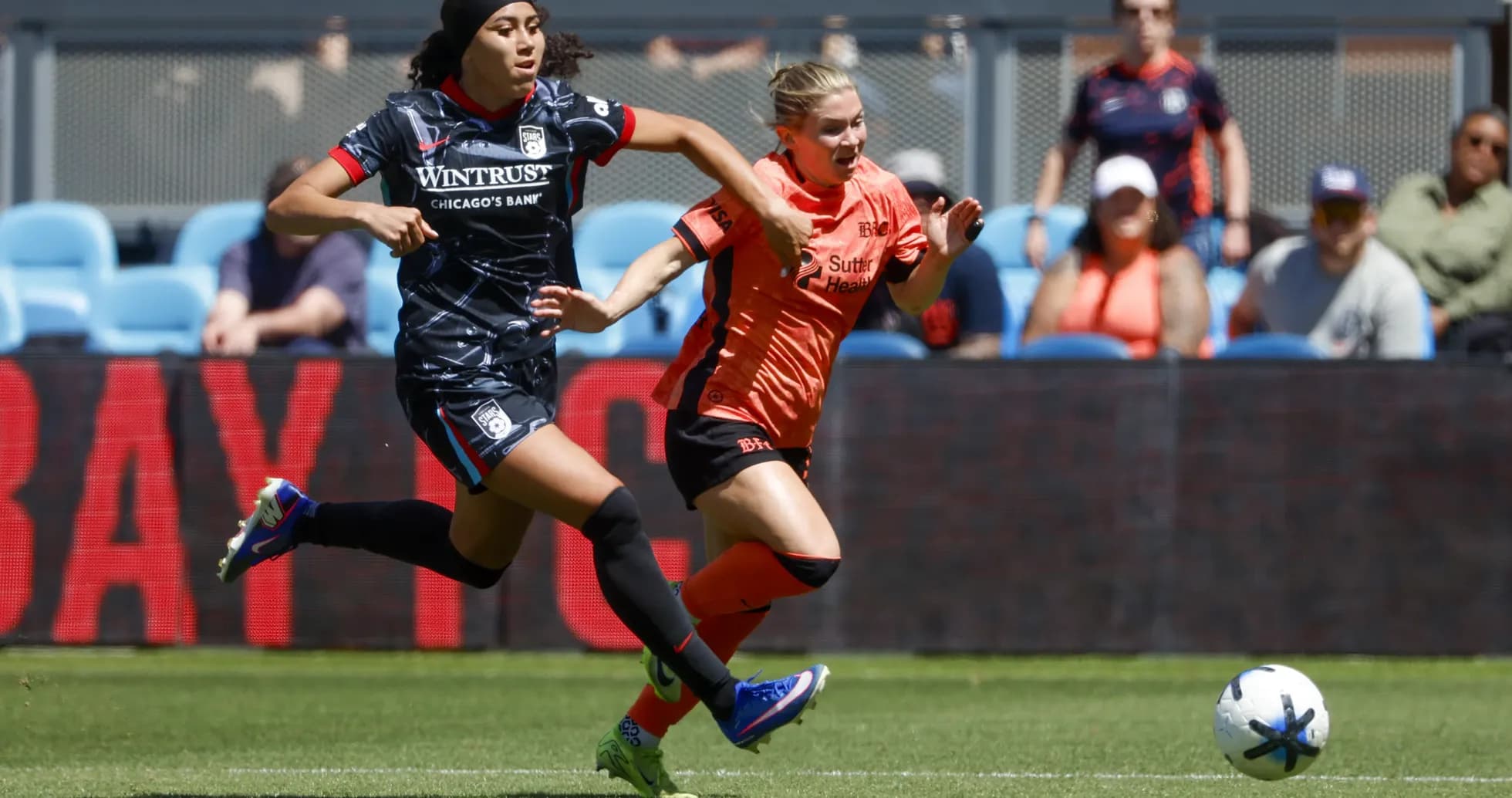
Chicago Red Stars Edge Bay FC in Tense NWSL Clash
Under the San Jose lights at PayPal Park, Bay FC W and Chicago Red Stars W met in a Group Stage clash that felt more like a stress test of their identities than a routine league fixture. By the final whistle, the scoreboard told a stark story: Bay FC W 0–1 Chicago Red Stars W, a narrow away win that reverberates loudly at the foot of the NWSL Women table.
Heading into this game, both sides were trying to arrest worrying trends. Bay sat 13th with 11 points from 10 matches, their overall goal difference at -6 (8 scored, 14 conceded). Chicago were even more fragile in 15th, on 9 points from 11 games and a bruising overall goal difference of -17 (5 for, 22 against). It was a meeting of two teams still searching for a stable version of themselves.
Emma Coates set Bay up in a 4-3-3, a notable departure from their more common 4-2-3-1 shape this season (used 9 times). The intent was clear: push the front three of C. Conti, C. Girelli and K. Lema high, and trust a compact midfield of C. Hutton, T. Huff and H. Bebar to both shield and spring transitions. Behind them, the back four of S. Collins, A. Cometti, J. Anderson and M. Moreau in front of J. Silkowitz was designed to provide a more aggressive defensive line, comfortable stepping in and defending space.
Chicago, under Martin Sjogren, answered with a 4-1-4-1, a shape that placed a single pivot—M. Lopez Millan—between a back four of A. Farmer, K. Hendrich, S. Staab and N. Gomes, and a mobile band of four midfielders: R. Gareis, J. Grosso, B. A. Pinto and J. Joseph, all working behind lone striker J. Huitema. Given Chicago’s overall attacking struggles—only 5 goals in total this campaign, with a meagre 0.2 away goals on average—this was a structure built first to survive, then to steal moments.
The tactical voids in this contest were less about absences on the team sheet and more about structural shortcomings revealed over the season. Bay’s defensive record at home has been fragile: 8 goals conceded at home from 6 matches, an average of 1.3 per game. Their own attacking return at PayPal Park—4 home goals, 0.7 on average—has rarely been enough to compensate. That fragility, combined with a disciplinary profile that skews late, hung over the match. Bay’s yellow card distribution shows a clear late-game spike: 23.81% of their cautions come between 76-90 minutes, with a further 19.05% in the 91-105 window. Red cards, too, have been scattered across early (0-15), mid (61-75) and added time (91-105), a sign of a side that can lose emotional control under pressure.
In that context, the presence of A. Cometti and C. Hutton was always going to be double-edged. Cometti, one of the league’s leading red-card recipients, brings bite and front-foot defending—15 tackles, 4 successful blocks and 8 interceptions in the campaign—but also a history of disciplinary risk. Hutton, meanwhile, has quietly become Bay’s metronome and enforcer: 418 passes at 77% accuracy, 29 tackles, 2 successful blocks and 23 interceptions, plus 4 yellow cards. She is both the organiser and the lightning rod for contact in midfield.
Chicago’s own disciplinary profile is more compressed but still telling. A third of their yellow cards arrive between 31-45 minutes, and 25.00% between 46-60, suggesting a side that often has to foul to reset games around half-time. But crucially, they have avoided reds altogether this season, a contrast with Bay’s volatile record.
On the pitch, the “Hunter vs Shield” duel was subtle rather than spectacular. For Bay, the attacking burden was shared rather than focused—no clear top scorer is flagged in the data—but the front three’s remit was to probe a Chicago defence that, heading into this game, had conceded 14 goals away (an away average of 2.3 against). On paper, this was where Bay’s home attack should have found joy: a team averaging 0.7 goals at home facing a defence that routinely ships more than two per away match.
Instead, Chicago’s shield held. The back line, marshalled by Hendrich and Staab, and screened by Lopez Millan, absorbed Bay’s attempts to play through the half-spaces, forcing them wide and away from central combinations between Huff and Girelli. Lopez Millan’s positioning as a single pivot cut off passing lanes into Bay’s interior forwards, turning many promising sequences into sterile possession.
In the “Engine Room” matchup, Hutton and Huff tried to dictate the tempo against Chicago’s central quartet. Hutton’s ball-winning and distribution were central to Bay’s attempt to compress the pitch, while Huff’s more vertical profile—8 shots this season, 6 on target, plus 1 goal and 1 assist—was intended to break lines with late runs. But Chicago’s midfield, with Pinto and Grosso especially, matched their intensity. By crowding central zones and collapsing around the ball, they turned the match into a series of contested second balls, an environment that favoured the more conservative away setup.
The decisive difference came in Chicago’s rare but ruthless use of their attacking moments. While their season-long away average of 0.2 goals suggested a toothless attack, they found the one clear chance they needed and converted it, aligning with a broader pattern: they have already managed an away win this season by a 0-1 scoreline, and this match followed that template almost exactly. Bay, by contrast, fell back into a familiar pattern: overall, they average only 0.8 goals per match and have failed to score in 5 of 10 games. This was another night where approach play did not translate into end product.
From an Expected Goals perspective—reading through the season’s offensive and defensive numbers rather than a single match model—the prognosis remains cautious for both. Bay’s overall goals for (8) and against (14) across 10 fixtures, combined with only 2 clean sheets and 5 games without scoring, paint the picture of a side whose xG likely hovers low in attack and modest in defence: they tend to keep games tight but lack the cutting edge to tilt them. Chicago’s total of 5 goals for and 22 against in 11 matches suggests an xG profile of a team often out-chanced, especially on their travels, where they concede on average 2.3 and score just 0.2.
Following this result, Chicago’s defensive solidity in a 4-1-4-1 and their capacity to execute a low-margin game plan away from home offer a blueprint for survival. For Bay, the story is more uncomfortable. The shift to a 4-3-3 brought territorial control but not incision, and their disciplinary tendencies—especially late in games—remain a lurking threat to any tactical structure they build.
The narrative of the night at PayPal Park was simple but stark: Chicago, battered by the season so far, arrived with a clear plan, accepted their limitations, and played the margins perfectly. Bay, still searching for a stable attacking identity and emotional control, once again found themselves on the wrong side of a one-goal game. In a league table where every point is precious, this 0-1 will linger longer than the 90 minutes it occupied.
Related News
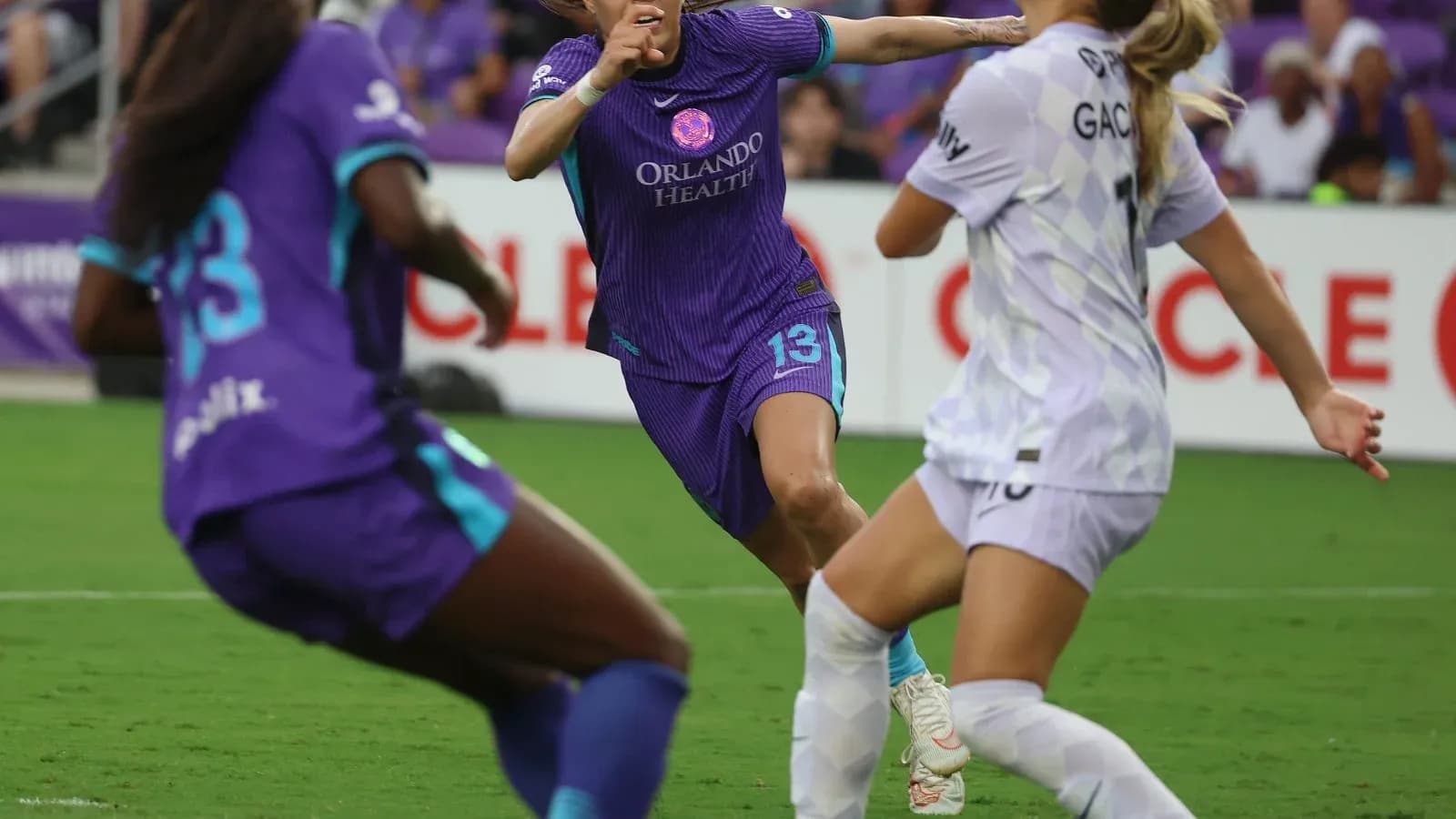
Orlando Pride W vs Portland Thorns W: Playoff Showdown
San Diego Wave W vs Kansas City W Predicted Lineups: Team News for NWSL Women
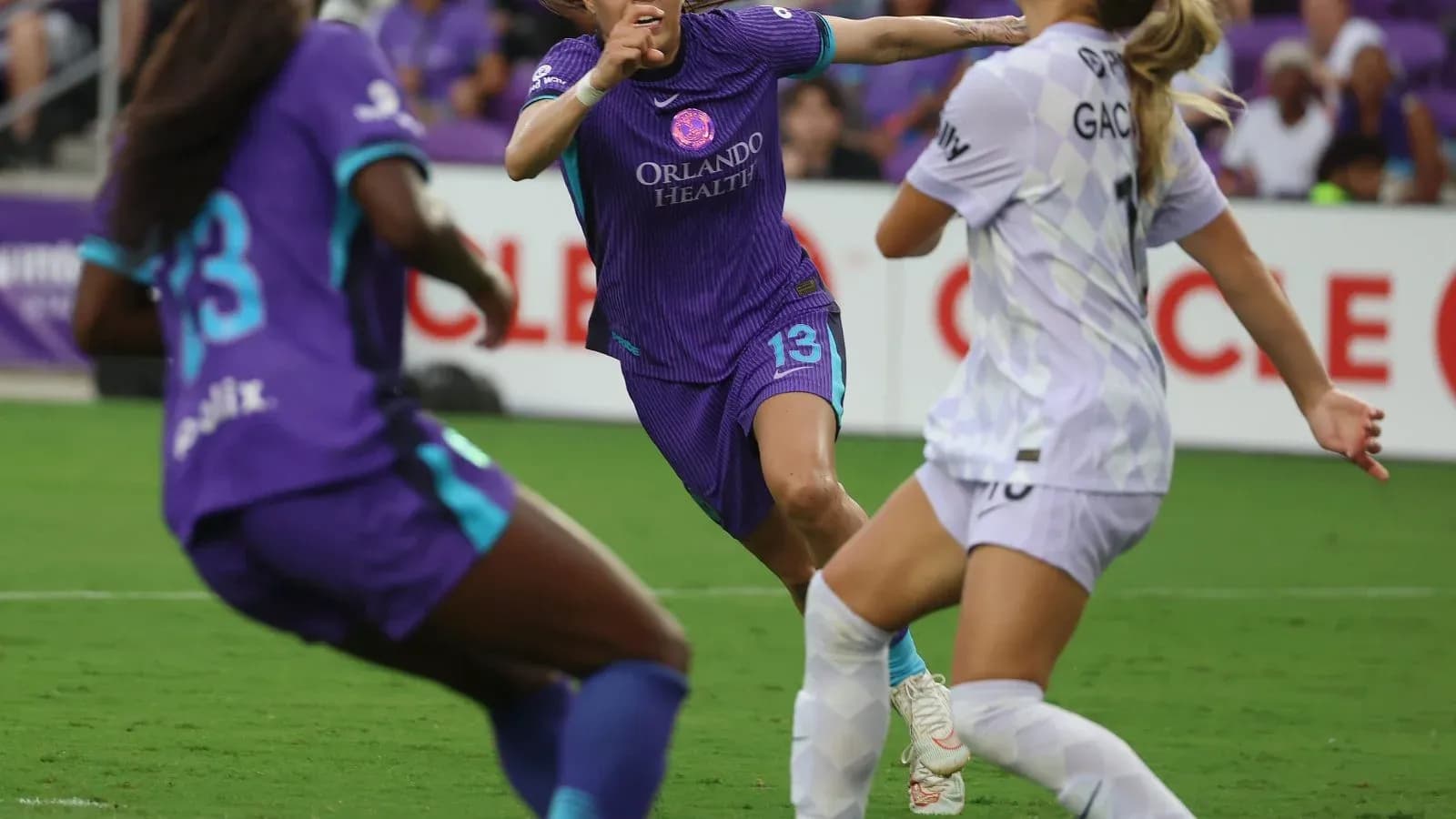
Orlando Pride W vs Portland Thorns W Prediction: Key Stats and Betting Tips
San Diego Wave W vs Kansas City W: Key NWSL Clash Preview
San Diego Wave W vs Kansas City W Prediction: Key Stats and Betting Tips

Portland Thorns and Chicago Red Stars Draw in NWSL Showdown