
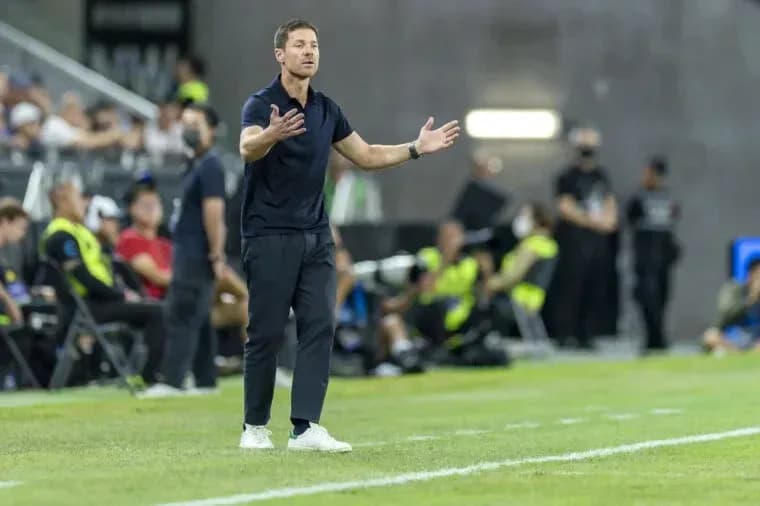
Chelsea 2026/27: Alonso's Challenge to Restore Order
Chelsea staggered through last season as one of the Premier League’s punchlines. A bloated squad, scattergun spending and a revolving door of managers turned Stamford Bridge into a weekly drama. Now comes the reset.
Xabi Alonso has been handed the job of restoring order and credibility. He inherits a club that has burned through plans, coaches and millions, but still insists it belongs in the title conversation. This season will test whether that belief is fantasy or the start of a genuine revival.
A Transfer Window With a Plan – At Last
For once, Chelsea’s summer business looks like it has been joined up rather than thrown together on a spreadsheet.
Morgan Rogers is the statement move. £117 million from Aston Villa is huge money, but it’s also a clear bet on a player who has already shown he can hurt Premier League defences. Chelsea are not just stockpiling talent here; they are buying a focal point.
Maxence Lacroix arrives from Crystal Palace to stiffen a defence that has felt fragile for too long. He brings league experience and a bit of edge – something Chelsea’s back line has badly lacked amid a sea of underperforming prospects.
Keep Levi Colwill fit and suddenly Alonso has a central pairing that can stand up to any in the division. That’s been theory at Chelsea for years; this time it has to become reality.
The recruitment of wing-back Marco Palestra from Atalanta hints at tactical variety. Alonso has already flirted with both back three and back four systems in pre-season, and Palestra fits the profile of a coach who wants his wide players to stretch games and dictate tempo.
Chelsea’s other moves paint the picture of a squad being reshaped rather than ripped up.
Ins 2026
- Morgan Rogers (Aston Villa, £117m)
- Quenda (Sporting CP, £44m)
- Pep Chavarria (Rayo Vallecano, £16.3m)
- Denner (Corinthians, £8.7m)
- Dastan Satpaev (Kairat Almaty, £2.1m)
- Emmanuel Emegha (Strasbourg, undisclosed)
- Marco Palestra (Atalanta, undisclosed)
- Harrison Bettoni (Wigan Athletic, undisclosed)
- Maxence Lacroix (Crystal Palace, undisclosed)
- Danny Welbeck (Brighton & Hove Albion, undisclosed)
- Jordan Henderson (free agent)
- Valentin Barco (undisclosed)
There is experience in Jordan Henderson and Danny Welbeck, there is youth and upside in Quenda and Barco, and there is depth in areas where Chelsea have previously been one injury away from crisis.
To make room, familiar names have gone.
Outs 2026
- Marc Cucurella (Real Madrid, £51.8m)
- Andrey Santos (Manchester United, £48m)
- Trevoh Chalobah (Como, £25.7m)
- Tyrique George (Everton, £18m)
- Jimmy-Jay Morgan (West Bromwich Albion, undisclosed)
- Brodi Hughes (released)
- Richard Olise (released)
- Sam Rak-Sakyi (released)
- Jimi Tauriainen (released)
- Harrison Murray-Campbell (KV Kortrijk, loan)
- Chris Atherton (Ipswich Town, undisclosed)
- Jesse Derry (Sporting CP, loan)
- Alejandro Garnacho (Aston Villa, loan)
- Genesis Antwi (Strasbourg, loan)
- Filip Jorgensen (Strasbourg, loan)
- Dastan Satpaev (Burnley, loan)
The churn remains high, but the exits feel more like trimming than tearing down. This time, there is at least a spine taking shape.
(Information correct as of August 17.)
Alonso’s Chelsea: Built Around Two Pillars
On paper, this squad should be able to live in the title conversation. The reality of the season will probably hinge on two players: Enzo Fernandez and Cole Palmer.
Fernandez has been at the centre of a transfer tug-of-war, heavily linked with Manchester City. City now appear to be focusing on Lille midfielder Ayyoub Bouaddi, which might be the best news Chelsea get all summer.
If Chelsea are serious about winning the Premier League again, they simply cannot sell Fernandez now. He is the metronome, the player who knits their phases together. City may yet test their resolve before the window shuts. The club must be ready to say no.
Then there is Palmer. Left out of England’s World Cup squad, he heads into the campaign rested, refocused and with something to prove. That combination can be lethal. When Palmer plays with freedom and rhythm, Chelsea’s attack suddenly looks coherent rather than improvised.
Alonso’s task is to rebuild confidence around those two. Give Fernandez control of the midfield. Give Palmer the keys in the final third. Surround them with the running of Rogers, the width of Palestra and the security of Colwill and Lacroix, and Chelsea start to resemble a serious side again.
No Europe, No Excuses
There is one quiet advantage for Alonso: no European football.
Chelsea’s absence from continental competition strips away the usual midweek distractions. It hands Alonso time on the training ground – time to drill his ideas, build partnerships and repair the fractured mentality of a dressing room that has grown used to disappointment.
This can cut both ways. Without the distraction of Europe, every league game becomes a spotlight. Every bad result feels bigger. But for a coach who wants control and clarity, a single-front campaign can be a gift.
A full week to prepare, a full week to recover, and a full week to fix what went wrong. If Alonso cannot impose a clear identity under those conditions, serious questions will follow.
What Would Success Look Like?
A title charge still feels a stretch. The gap to Manchester City and the other established contenders is not closed overnight, no matter how much Chelsea spend or how smart they suddenly appear.
But a top-four finish? That should be the minimum target.
With a more coherent squad, a manager trusted to lead rather than survive, and fewer games than their rivals, Chelsea have a platform. The days of being a “banter club” have to end here.
The question now is simple: does this version of Chelsea finally grow up, or does another season slip away in excuses and what-ifs?
Related News
Transfer Rumors: Haaland’s Two Options; Real Madrid Targets $100 Million Premier League Star
Manchester United Targets Premier League Forward to Strengthen Attack
Liverpool Eyes 17-Year-Old Mexican Midfielder Gilberto Mora for Summer Transfer
Summer 2026 Transfer Window: Manchester United and Tottenham Struggle with New Signings
Liverpool Maintain Interest in Real Madrid Midfielder Amid Transfer Challenges
Transfer Insider Warns Tottenham About Costly Sale of Will Lankshear