
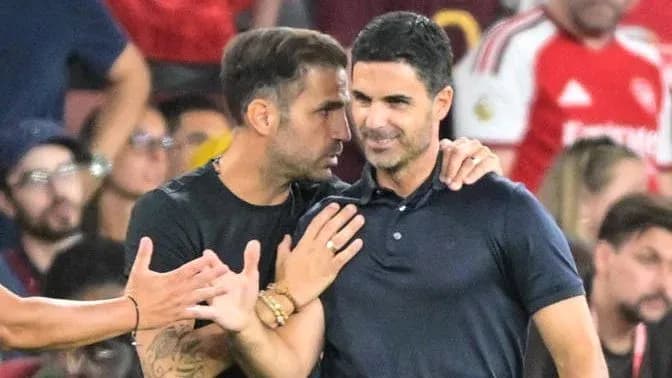
Cesc Fàbregas on Arsenal's Patience and Progression
Cesc Fàbregas knows what Arsenal used to be and what it is trying to become again. On his return to the Emirates Stadium, the former captain did not talk about tactics or individual brilliance. He talked about something far rarer in modern football: patience.
The 37-year-old, who played 303 times for the club, highlighted how Arsenal’s hierarchy refused to blink during the most uncomfortable phase of Mikel Arteta’s reign. When results sagged, the plan didn’t.
“Congratulations to the club in general starting from seven, eight years ago when they first started with this project,” Fàbregas said after the game. “Because what you see in football every day, what Arsenal did, especially in the difficult moments, it doesn’t exist.”
He has lived the other side of the sport, where three bad weeks can erase three years of work. That is exactly what he believes Arsenal resisted.
Fàbregas revealed how he had already delivered that message inside the corridors of power. “I told Edu, I told Andrea [Berta] when I came last year to a Champions League game, I said congratulations to the whole club for the patience, for sticking together, for sticking to the plan,” he explained.
Then he laid out the timeline that would have broken many boards. “When for three years in a row, correct me if I’m wrong, finished eighth, eighth, eighth, fourth year nearly Champions League, it was a big disappointment, Tottenham came, you finish fifth, but you keep going because you have a plan, because you have an objective, because you have progression, you keep going forward.”
That, for him, is the point. The league positions told one story; the club chose to follow another.
Fàbregas contrasted that approach with the chaos that has become normal elsewhere. “We lack this in football today. You lose three games, change the coach, he was playing one style, now you play another, at the end of the day I don’t believe in this a lot,” he said.
He is trying to live by those same principles now. At Como, where he is helping to build a project far from the glare and history of north London, the model is clear: copy the stability, not just the style.
“I’m very lucky I’m in a project, of course with much lower level, the history, everything, but we’re trying to look at the stability Arsenal had, the values, the culture that they are bringing,” he said.
The admiration for Arteta’s work was unambiguous. “I think Mikel has done a tremendous job. So I can only wish them the best, really,” Fàbregas added. What impresses him most is not only the football, but the people.
“Because most of the group, these guys now you talk to them, I don’t know… they’re good guys, they want to play good football, they are respectful, you can see how they stick to the plan all the time. Really, I’m super happy to come back here and smell this feeling.”
The feeling now has to translate into more silverware. Arsenal meet Manchester City in the Community Shield in Cardiff on Sunday, 16 August, a first test of their Premier League title defence. Six days later, they open that defence against newly promoted Coventry City, a fixture loaded with expectation rather than fear.
Fàbregas will be busy on that same Sunday. Como face a double-header of friendlies against Liverpool, the first behind closed doors, the second in front of supporters. Then comes their own step into the spotlight: a Serie A opener against Udinese the following Saturday, where his ideas about patience and culture will be judged on a very different stage.
Related News

Transfer Rumors: Haaland’s Two Options; Real Madrid Targets $100 Million Premier League Star

Manchester United Targets Premier League Forward to Strengthen Attack
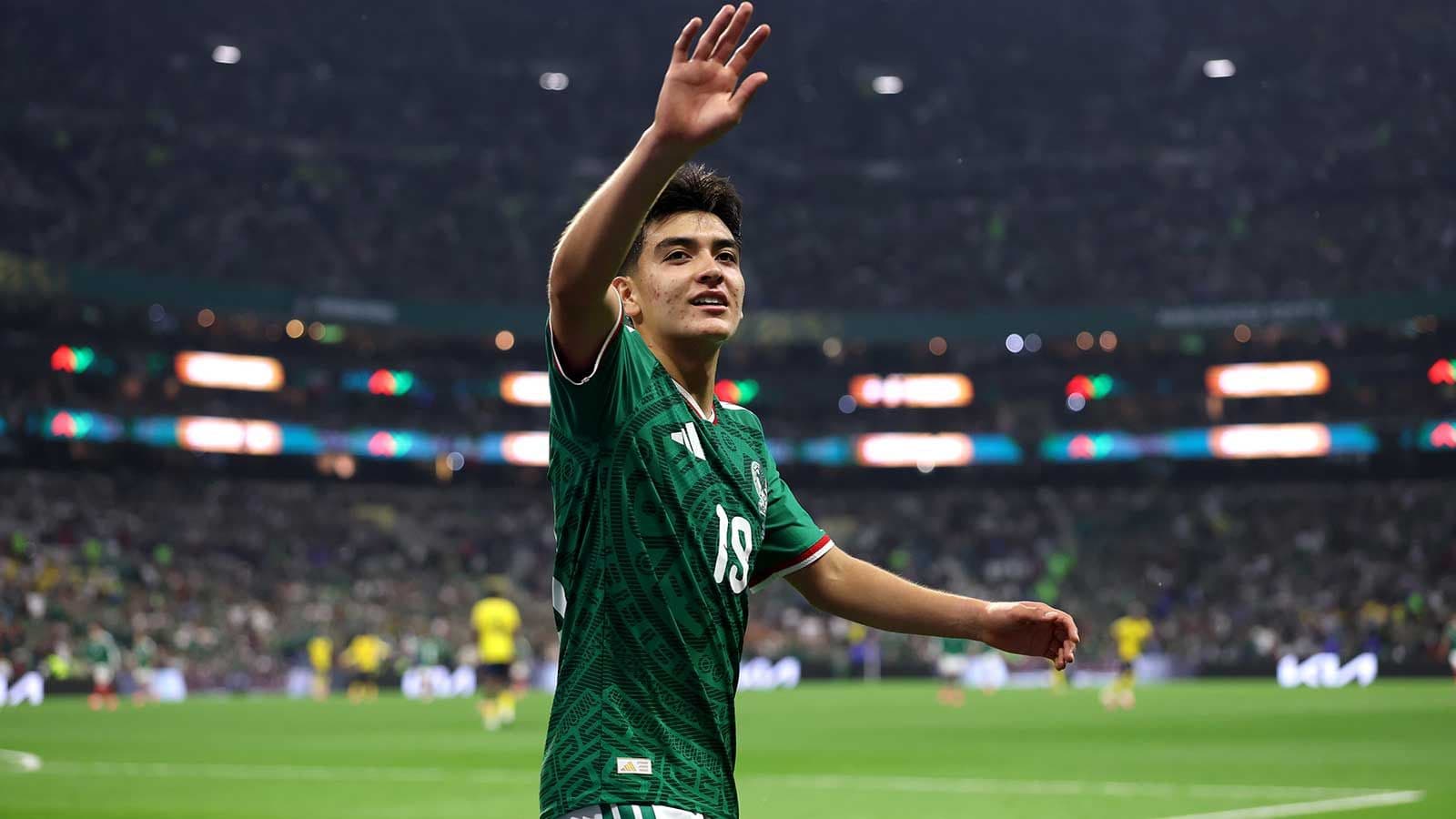
Liverpool Eyes 17-Year-Old Mexican Midfielder Gilberto Mora for Summer Transfer
Summer 2026 Transfer Window: Manchester United and Tottenham Struggle with New Signings
Liverpool Maintain Interest in Real Madrid Midfielder Amid Transfer Challenges
Transfer Insider Warns Tottenham About Costly Sale of Will Lankshear