
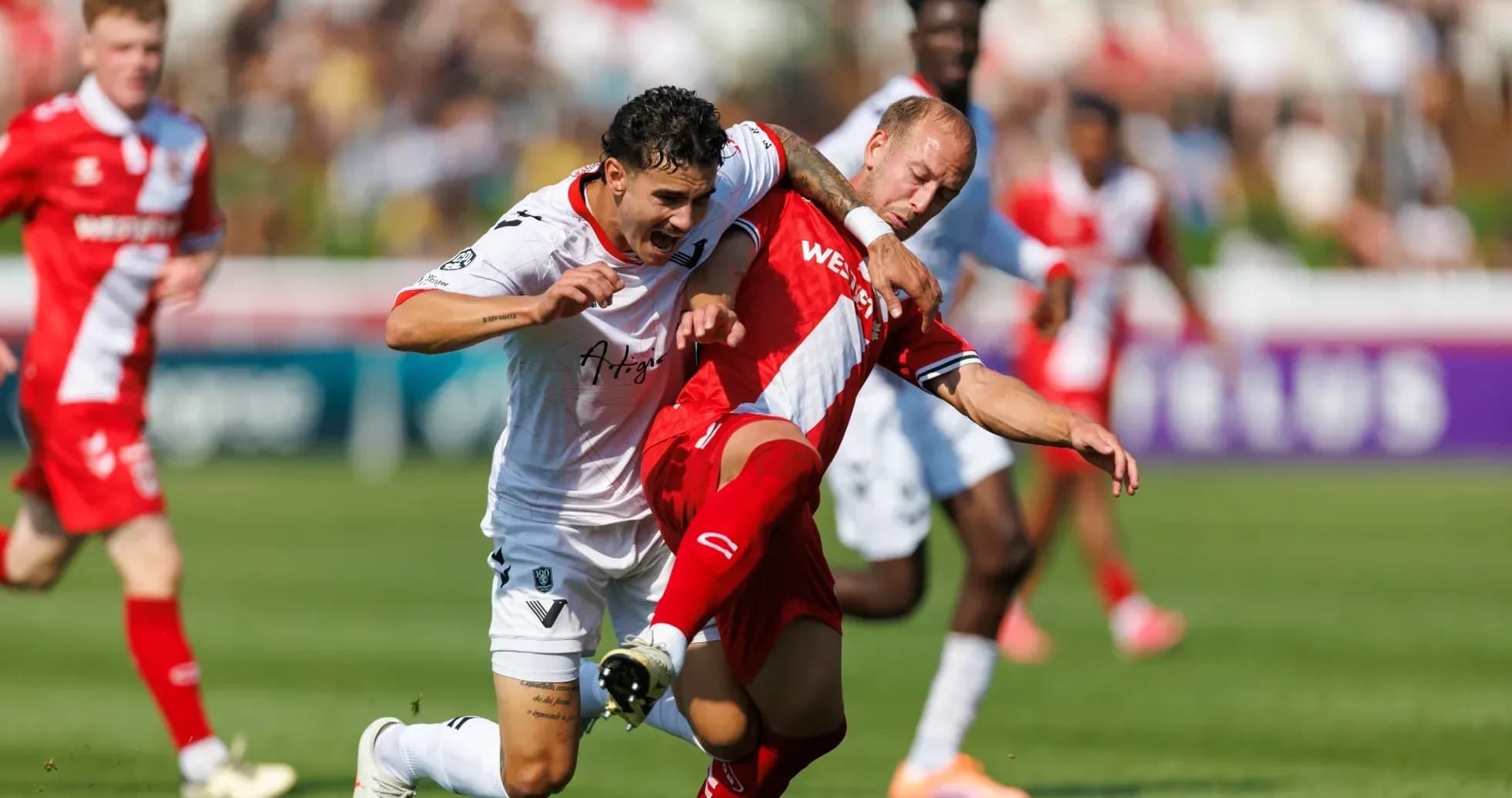
Cavalry FC Edges Vancouver FC 1–0 in Canadian Premier League Showdown
Under the floodlights at ATCO Field, this Group Stage meeting in the Canadian Premier League brought together two sides whose seasons are being written in very different inks. Cavalry FC, top of the table and ruthless at home, edged Vancouver FC 1–0 in a match that felt less like a single chapter and more like a continuation of an ongoing thesis: Cavalry’s control, Vancouver’s volatility.
Heading into this game, Cavalry sat 1st with 43 points from 19 matches, built on 13 wins, 4 draws and just 2 defeats. Their overall goal difference of 26 came directly from 37 goals scored and 11 conceded, a balance that underlined both attacking variety and defensive discipline. At home, they had been nearly flawless: 10 matches, 8 wins, 2 draws, 0 losses, with 23 goals for and 6 against. Vancouver arrived 4th, with 27 points from 20 games and a far more fragile profile: 8 wins, 3 draws, 9 defeats, 26 goals scored and 23 conceded for a total goal difference of 3. Away from home, their record of 3 wins, 1 draw and 6 losses, with 12 goals scored and 14 conceded, painted them as dangerous but unreliable travellers.
I. The Big Picture – How the squads set the tone
Tommy Wheeldon’s Cavalry did not declare a formation in the data, but the personnel told its own story. N. Ingham in goal behind a defensive line of A. Pearlman, D. Klomp, A. Didic and Fewo suggested a solid, physically imposing back unit. In midfield, J. McGlinchey, A. Musse, T. Warschewski and N. Edwards supported forward C. Elva, hinting at a fluid band of creators and runners behind a mobile front presence.
Across from them, Martin Nash’s Vancouver side also kept their shape off the record, yet the selection was clear in intention. C. Irving started in goal, shielded by a back line of M. Doner, M. Campagna, Thomas Geoffrey Field and K. Proctor. Ahead, a midfield of T. Bah, D. Pecile and M. Amissi supported striker L. Mousset, with pace and direct running likely to be the away side’s main weapon.
Cavalry’s season-long numbers made this a daunting assignment for Vancouver. Overall, Cavalry had averaged 1.9 goals scored per match, with 2.3 at home, while conceding just 0.6 overall and 0.6 at home. Vancouver’s attack, by contrast, had produced 1.3 goals per match overall, 1.2 on their travels, but their away defence had been leaking at 1.4 goals per game. The 1–0 scoreline ultimately mirrored those trends: Cavalry’s home attack nudging past Vancouver’s away frailty, while the league leaders’ defensive structure again suffocated an opponent.
II. Tactical Voids and Discipline – Who walked the tightrope
With no formal injury or suspension list provided, the absences in this fixture were defined more by who was on the bench than who was missing entirely. For Cavalry, creative and transitional options like S. Camargo and wide threat O. Antoniuk waited among the substitutes, alongside defensive cover in L. Laing and C. Ofori. That bench composition gave Wheeldon the ability to change tempo late on without destabilising his back line.
Vancouver’s bench carried a different kind of threat. T. Campbell, one of the league’s notable scorers with 4 goals from 20 appearances, offered a powerful impact option up front. A. Traore and L. Toomey added attacking and midfield variety, while N. Mezquida brought technical guile between the lines. Yet the away side’s deeper structural issues were never going to be solved by one substitution; they lay in game management and discipline.
Cavalry’s yellow-card profile this season shows a spread of cautions across the 90 minutes, with their highest yellow-card window between 46–60 minutes at 23.26%. Vancouver, however, have a pronounced late-game discipline problem: 25.71% of their yellows arrive between 76–90 minutes, a clear sign that as matches stretch and legs tire, decision-making frays. In a tight contest like this, that tendency to lose composure late can be fatal, especially against a side as comfortable protecting a narrow lead as Cavalry.
III. Key Matchups – Hunter vs Shield, and the battle for control
The most intriguing duel on paper was “Hunter vs Shield” in the Cavalry back line. D. Klomp, one of the league’s standout defenders, came into this fixture with 3 goals and 1 assist, 5 successful shot blocks and a passing accuracy of 91% across 496 passes. His presence alongside A. Didic and the energetic Pearlman gave Cavalry a back unit capable of both dominating aerially and playing through pressure.
Their task was to neutralise Vancouver’s attacking threats, particularly the moments when Mousset could pin defenders or when Campbell might enter from the bench. Vancouver’s season-long attacking average of 1.2 goals away hinted at danger but not inevitability; against a Cavalry side that had kept 8 clean sheets overall, including 4 at home, the Shield looked better armed than the Hunter.
In the “Engine Room”, Cavalry’s creativity was spread. T. Warschewski, with 3 goals, 1 assist and 19 key passes, functioned as a hybrid between playmaker and second striker, while A. Musse contributed 2 assists and 11 key passes, adding width and incision. G. Ntignee, though not listed in this specific matchday squad, frames the broader picture of Cavalry’s midfield quality: 2 goals, 2 assists, 30 dribble attempts with 16 successful, and 11 key passes across the season. That context underscores why even without every star present, Cavalry’s midfield identity is clear—aggressive on the ball, technically secure, and relentless in duels.
For Vancouver, the controlling influence in midfield this season has often been players like M. Polisi, whose 6 yellow cards highlight a combative edge, and creative profiles such as I. Ssewankambo, with 2 assists and an 84% passing accuracy. Yet in this fixture, the burden fell on T. Bah, D. Pecile and M. Amissi to disrupt Cavalry’s rhythm. Against a side that can vary between 4-2-3-1 and 4-4-2, that task requires both positional intelligence and the restraint to avoid those costly late bookings.
IV. Statistical Prognosis – Why 1–0 felt inevitable
Cavalry’s season-long numbers made a low-scoring home win the most plausible outcome. With 23 goals scored at home and just 6 conceded across 10 matches, they have been specialists in controlling tempo and game state. Vancouver’s away profile—12 goals scored, 14 conceded in 10—suggested they would create moments but struggle to impose themselves for long stretches.
Cavalry’s penalty record this season—3 taken, 3 scored, no misses—meant that any incident in the box would strongly tilt the balance. Vancouver, for their part, had converted both of their penalties this season without a miss, but their problem was always more about reaching those high-value zones often enough.
In the end, the 1–0 full-time scoreline at ATCO Field was less a surprise than a statistical confirmation. Cavalry’s defensive solidity, anchored by Klomp and protected by a disciplined collective, once again held firm. Their attack did just enough, as it so often does at home, to turn territorial and structural superiority into points.
Following this result, the narrative around both squads hardens. Cavalry look every inch a champion-elect: top of the table, unbeaten at home, and tactically mature enough to manage tight games. Vancouver remain the league’s great uncertainty—capable of surges, but on nights like this, ultimately contained by a side that knows exactly who it is and how it wins.
Related News
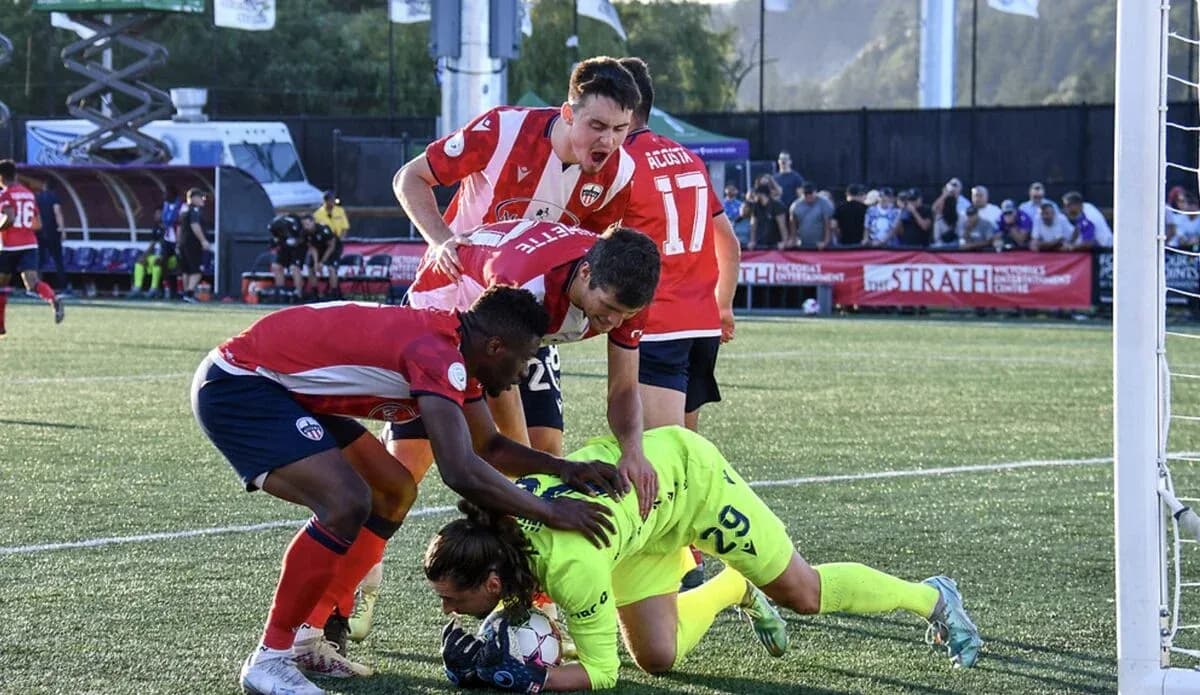
Atlético Ottawa vs Pacific FC: Head-to-Head Stats and Match Preview

Supra du Quebec Upsets Forge in Tactical Showdown
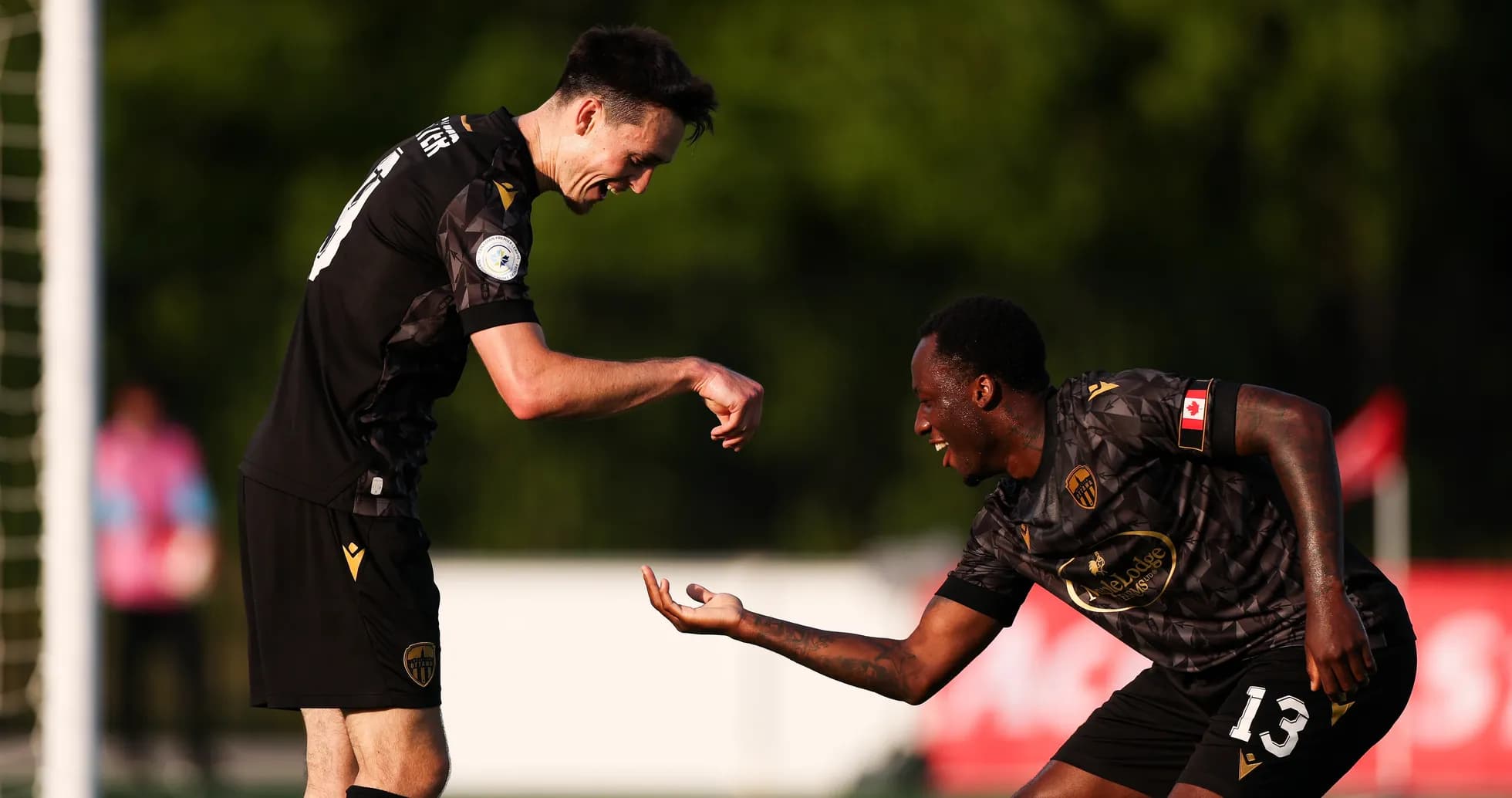
Atlético Ottawa vs York United: A Comeback Victory

Cavalry FC vs Vancouver FC Predicted Lineups and Team News

Cavalry FC vs Vancouver FC: Key Canadian Premier League Clash
Atlético Ottawa vs York United Predicted Lineups: Team News for Canadian Premier League