
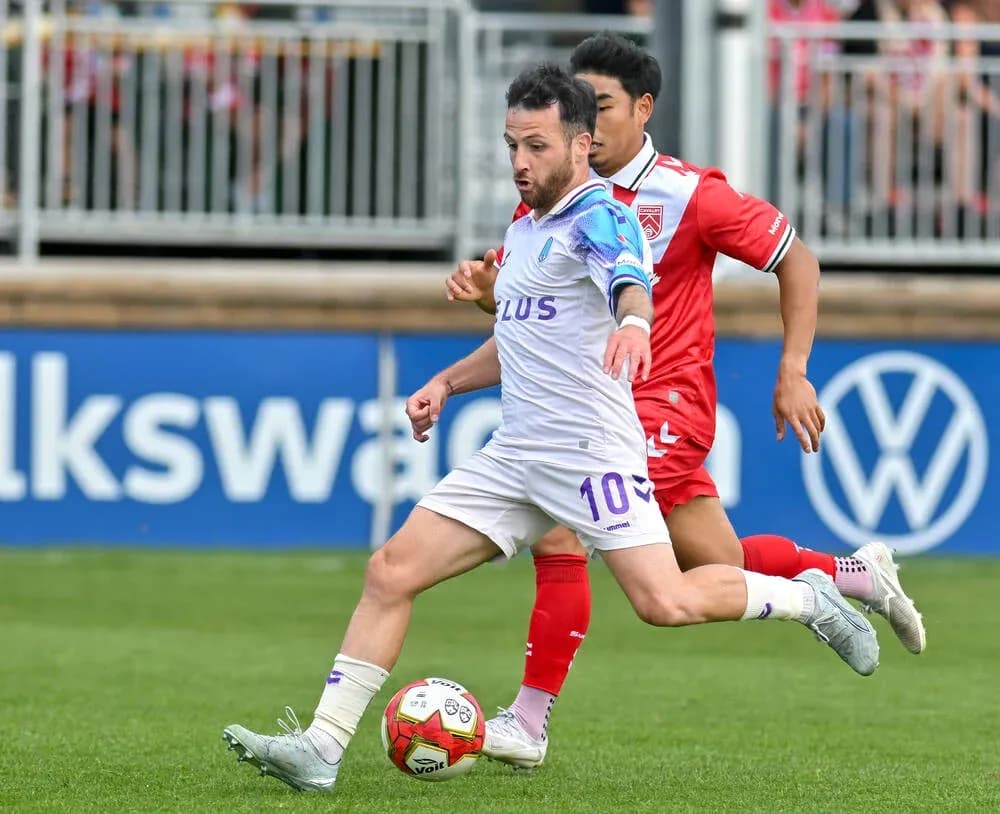
Cavalry FC Dominates Pacific FC in 3–0 Victory
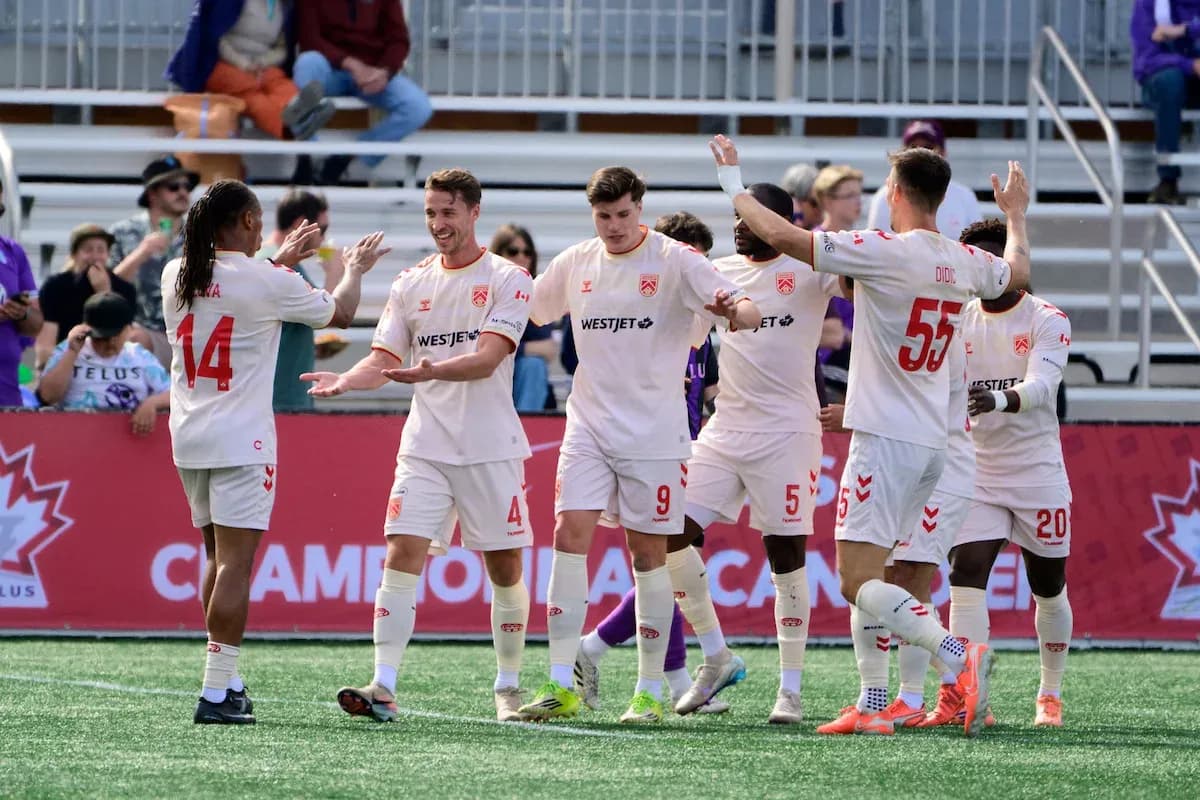
The lights at ATCO Field had barely cooled when the table told the story with brutal clarity. Following this result, Cavalry FC’s 3–0 home win over Pacific FC was not just another Group Stage tick in the Canadian Premier League calendar; it was a live demonstration of why the hosts sit 1st with 17 points and a +9 goal difference, and why Pacific are marooned in 8th with 1 point and a goal difference of -9.
I. The Big Picture – Structure vs. Struggle
Cavalry came into this campaign built on balance. Overall they have scored 12 goals and conceded just 3 in 7 matches, and heading into this game they were unbeaten with 5 wins and 2 draws. At home they have been ruthless: 7 goals for and only 2 against in 3 fixtures, an average of 2.3 goals scored and 0.7 conceded at ATCO Field. That profile – controlled aggression, defensive parsimony – was written all over this 3–0 scoreline.
Pacific arrived as the league’s crisis case. Overall they had 6 goals for and 15 against from 7 matches, losing 6 and drawing only once. On their travels they had at least shown a hint of resilience, drawing 1 and losing 1 away with 2 goals scored and 5 conceded, but the structural problems were obvious: a team conceding an overall average of 2.1 goals per game without a single clean sheet.
This match, then, became a live-action confirmation of the standings. Cavalry’s defensive record and offensive variety met a Pacific side that has yet to find a stable identity.
II. Tactical Voids – Discipline, Depth and Hidden Costs
There were no listed absentees in the data, so both coaches, Tommy Wheeldon and James Merriman, had their core groups available. The voids, instead, were tactical and psychological.
Cavalry’s season card map is revealing. Their yellow cards are spread, but the most combustible windows are 61–75 minutes (26.67%) and 76–90 minutes (20.00%). This is a side that plays on the edge in the second half, pressing and counter-pressing aggressively. Yet crucially, they have no red cards in the league data and no penalties missed (2 scored from 2). They walk the disciplinary line without falling off it.
Pacific’s profile is darker. Their yellow cards spike late: 28.57% in the 61–75 window and a staggering 42.86% from 91–105 minutes, even though matches rarely drift that far in league play. More telling are the reds: 2 red cards in the 76–90 range (66.67% of their reds) and 1 between 91–105. Josh Heard has already been sent off once, while Joshua Belluz has walked the tightrope with a yellow and a yellow-red. This is a team that unravels as fatigue and frustration bite.
In this 3–0 defeat, that pattern of late-game mental slippage is the silent antagonist. Even when the lineups suggest parity – both sides nominally leaning toward 4-2-3-1 structures in their season data – Cavalry’s emotional control and Pacific’s volatility create an invisible gap.
III. Key Matchups – Hunter vs. Shield, Engine vs. Enforcer
Hunter vs. Shield
For Cavalry, Tobias Warschewski is the spearhead. Heading into this match he had 2 goals from 12 shots (7 on target), plus 6 key passes and a won penalty he converted. He is not a pure poacher; his 55 duels and 11 dribble attempts show a forward who lives in the thick of contact zones, pulling defenders around and creating chaos.
Across from him, Pacific’s best “shield” is paradoxically an attacking threat: Diego Konincks. As a defender he has 173 passes at 90% accuracy, 4 tackles, 1 blocked shot and 5 interceptions. He also contributes 1 goal and 1 assist, making him both organiser and outlet from the back. Yet no matter how composed Konincks is, he cannot compensate for a system that concedes an overall average of 2.5 goals on their travels.
The 3–0 outcome underlines the mismatch. Cavalry’s overall average of 1.7 goals scored, combined with Pacific’s overall 2.1 conceded, always pointed toward a multi-goal home performance. Warschewski’s constant movement, supported by creators like Sergio Camargo and Goteh Ntignee, forced Pacific’s back line to defend wider and deeper than they are comfortable.
Engine Room – Playmaker vs. Enforcer
In midfield, Harrison Paton embodies Cavalry’s engine. He brings 1 goal, 126 passes at 85% accuracy, 10 tackles and 9 fouls committed – a blend of craft and bite. His yellow-card count (2) reinforces that he operates at the friction point of the game, breaking play and recycling possession.
For Pacific, the closest thing to an enforcer is Christian Greco-Taylor. With 10 tackles, 6 interceptions and 30 duels contested, he has the defensive metrics of a combative full-back or holding player, but he also carries 3 yellow cards already. He is constantly firefighting in a system that leaves him exposed.
Over 90 minutes, Cavalry’s midfield triangle – with Paton, Camargo and Ntignee all comfortable on the ball – simply asked more questions than Pacific’s central unit could answer. The visitors’ inability to slow transitions or protect the half-spaces left their back four repeatedly isolated.
IV. Statistical Prognosis – xG Shadow and Defensive Gravity
We do not have explicit xG numbers in the data, but the season trends sketch a clear expected goals landscape. Heading into this fixture, Cavalry’s home attack averaging 2.3 goals and Pacific’s overall defence conceding 2.1 per game point toward a high-probability scenario of Cavalry generating multiple big chances. Their four clean sheets overall, plus only 3 goals conceded in 7, suggest that Pacific’s modest overall scoring rate of 0.9 per match would likely be suppressed.
The 3–0 scoreline fits almost perfectly within that statistical envelope: Cavalry leaning into their attacking averages, Pacific dragged toward their defensive floor. With no penalties missed in Cavalry’s season and Pacific yet to win or even take a penalty, the margins in both boxes were always tilted.
Following this result, the narrative is stark. Cavalry look every inch a playoff-bound side whose numbers and mentality align. Pacific, despite bright individuals like Konincks and Alejandro Díaz, remain a team whose defensive gravity and late-game discipline issues continue to pull them toward the bottom of the table.
Related News
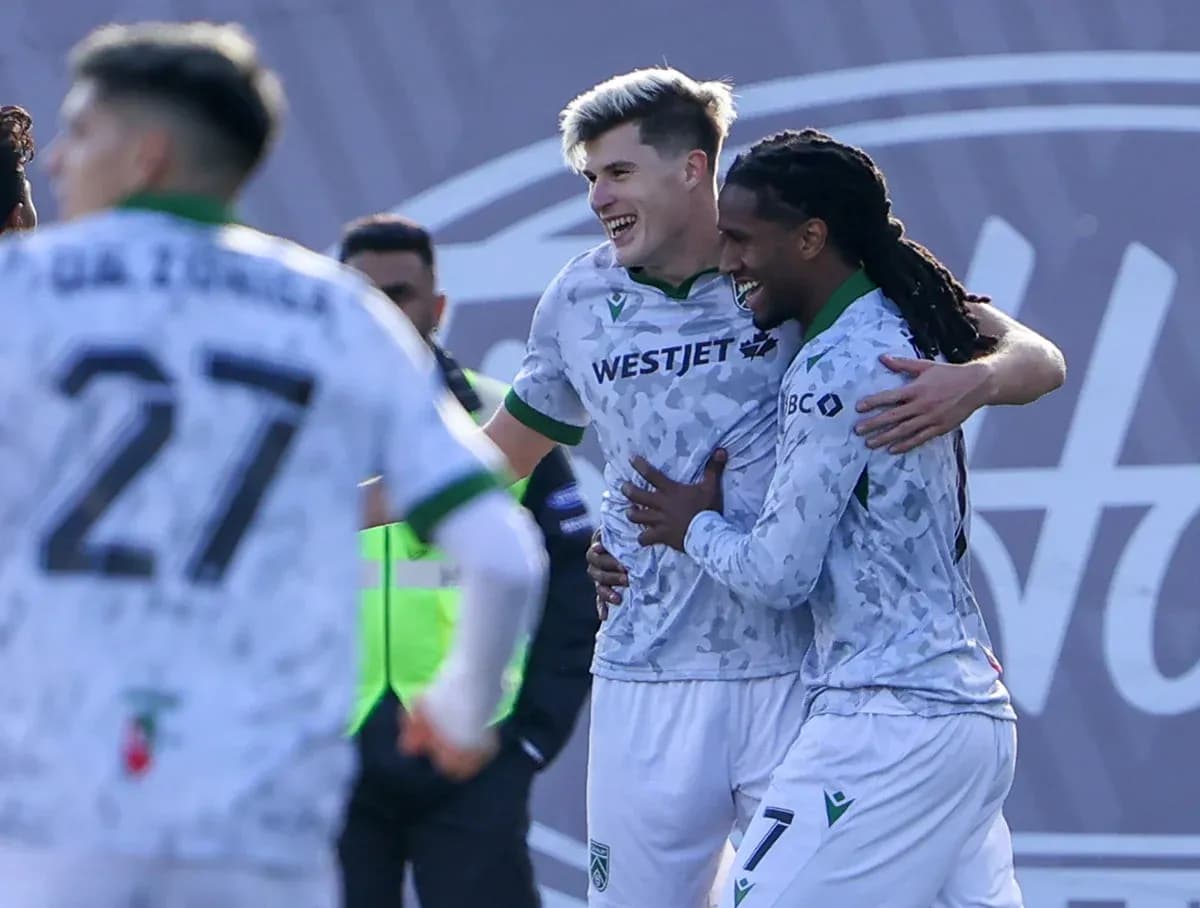
Cavalry FC vs Forge: Intense Rivalry Returns to ATCO Field
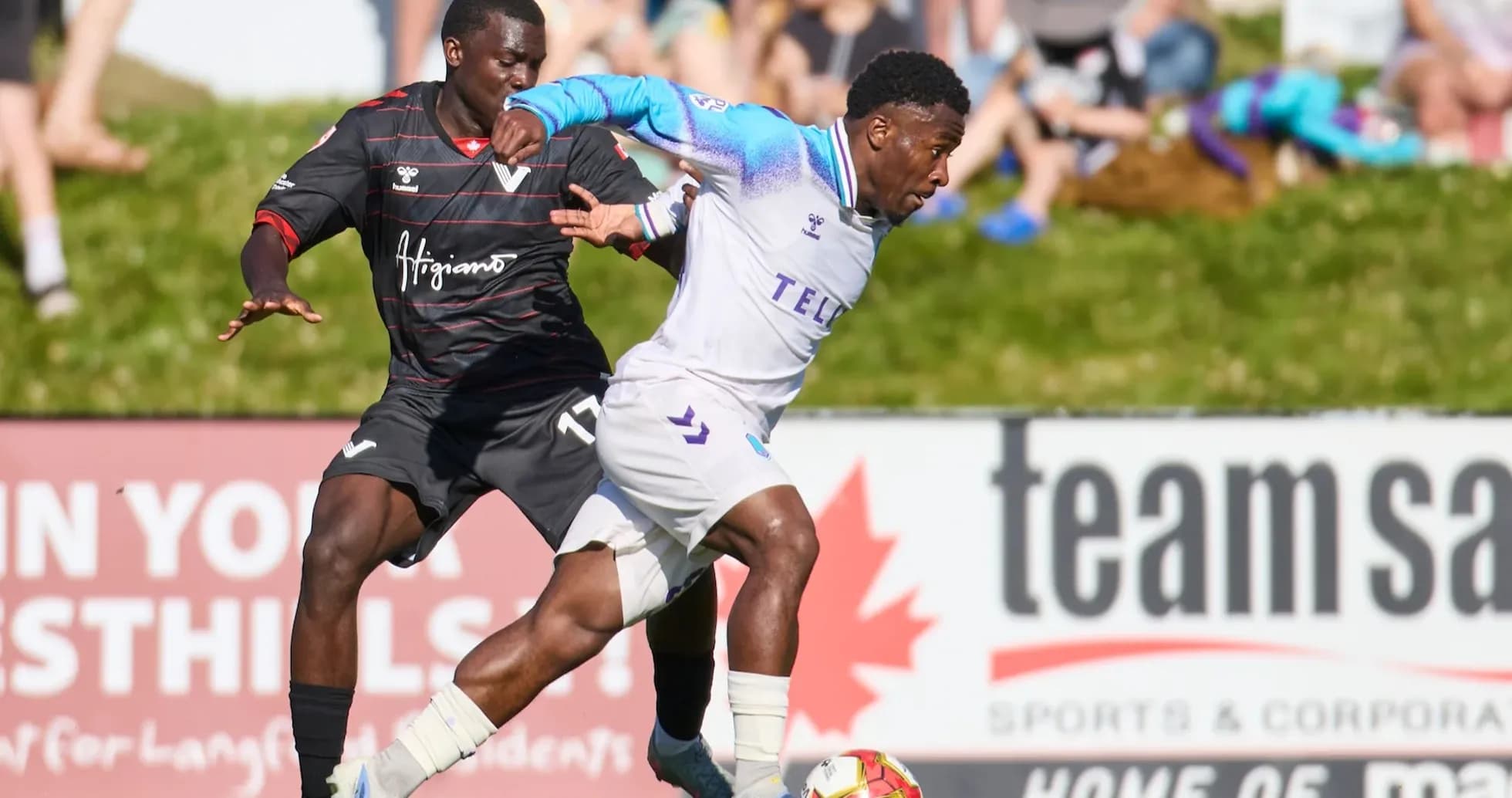
Pacific FC vs Vancouver FC Prediction: Key Stats and Betting Tips
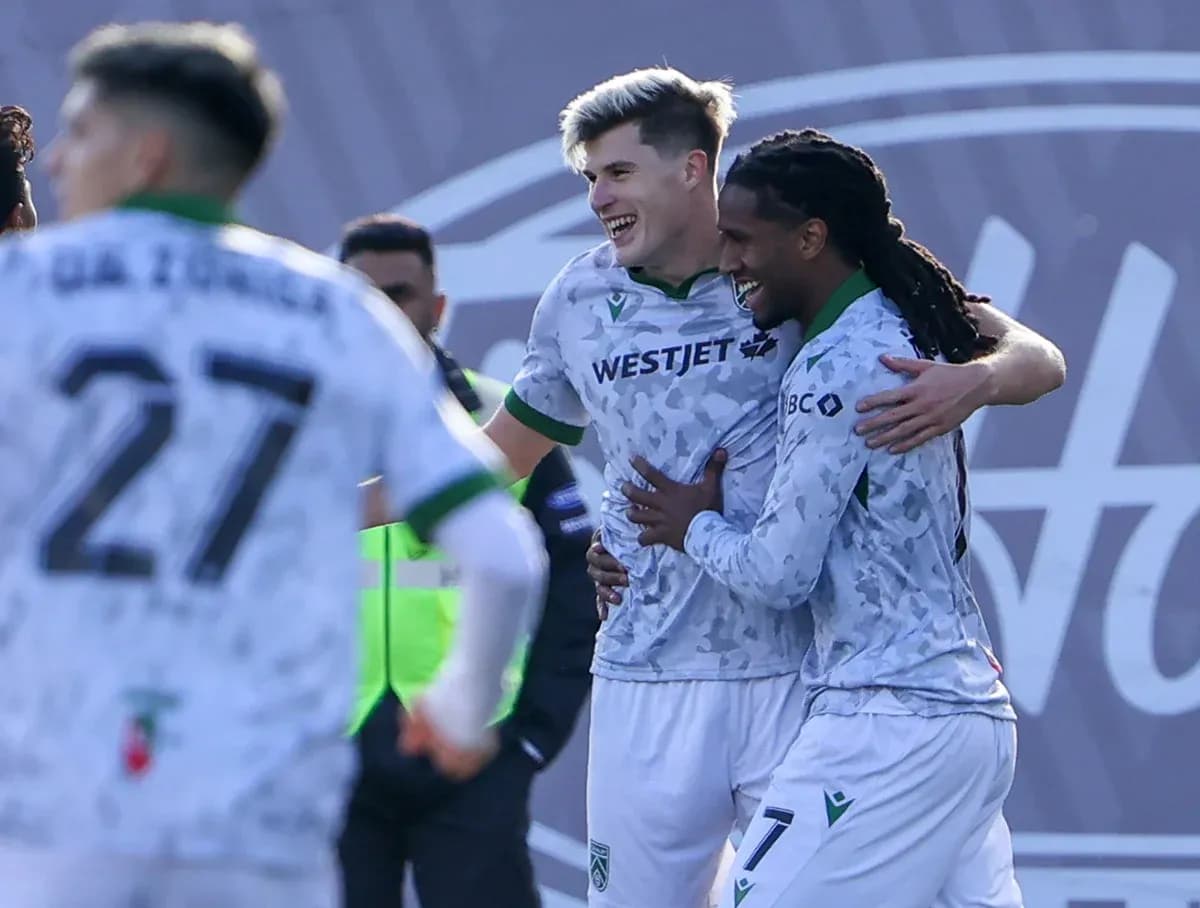
Cavalry FC vs Forge Prediction: Key Stats and Betting Tips
Cavalry FC Dominates Pacific FC in 1-0 Clash
York United Triumphs Over Vancouver FC in Canadian Premier League Clash
Atlético Ottawa vs Supra du Quebec Stats: Head-to-Head Record