
Cavalry FC Dominates Pacific FC in 1-0 Clash
On a cool night at Starlight Stadium, the table-topping machine of Cavalry FC edged bottom‑placed Pacific FC 1–0, a result that felt less like an upset and more like the inevitable meeting of form and fragility.
I. The Big Picture – Top vs Bottom in Different Universes
Following this result, the contrast between the two sides in the Canadian Premier League could hardly be starker. Pacific sit 8th with 10 points from 21 matches, their overall record a stark 1 win, 7 draws and 13 defeats. Their overall goal difference of -18 is the simple arithmetic of 25 scored and 43 conceded – a season shaped by leakage at the back and a blunt edge up front.
Cavalry, by contrast, are cruising at the summit. They are 1st with 49 points from 21 games, having won 15, drawn 4 and lost only 2. Their overall goal difference of +29 is built on 41 goals scored and just 12 conceded, numbers that speak of a side that dominates both penalty areas and manages game states with ruthless efficiency.
At home, Pacific’s problems are amplified. They have played 11 times at Starlight Stadium this season, winning just once, drawing twice and losing 8. They have scored 13 and conceded 21 at home, averaging 1.2 goals for and 1.9 against. Starlight, once a fortress, has become a place of anxiety.
Cavalry’s away form is, fittingly for a champion-elect, composed and clinical. On their travels they have played 11, winning 7, drawing 2 and losing just 2, with 18 goals for and 6 against. That away average of 1.6 goals scored and only 0.5 conceded underpins why even a tight 1–0 here felt entirely in character.
II. Tactical Voids and Disciplinary Shadows
Pacific’s season-long narrative is one of structural instability and emotional volatility. Their overall form line of LLDLLLLDDLLLLLDDLWDDL is a long string of setbacks punctuated by the rare, short-lived uplift. Defensively, they have only 1 clean sheet overall – and crucially, none at home. The late‑game discipline numbers are alarming: 24.39% of their yellow cards arrive between 91–105 minutes, and 66.67% of their red cards fall between 76–90 minutes. This is a team that frays as the final whistle approaches.
That background made Terry Dunfield’s choice of a 4‑4‑2 notable. With S. Melvin in goal, the back four of K. Chung, S. Keshavarz, D. Konincks and C. Greco‑Taylor was asked to defend space against the league’s most balanced attack. In midfield, R. Juhmi – one of the league’s leading yellow-card collectors with 6 – sat in the engine room alongside M. Piepgrass, flanked by the craft of M. Bustos and the league’s top assist provider, Y. Toualy. Up front, A. Daniels and R. Kratt formed a two‑man press and counter threat.
The absences were less about individuals and more about profile. Pacific’s season stats show only 1 overall clean sheet and 6 matches overall where they failed to score. They rely on open, chaotic games, yet against a side like Cavalry that is a tactical void rather than a plan.
Cavalry, under Tommy Wheeldon Jr., arrived with their familiar 4‑2‑3‑1, a shape that has underpinned 8 home and 7 away wins this season. N. Ingham in goal sat behind a disciplined back four of A. Pearlman, D. Klomp, A. Didic and B. Kamdem. In front of them, the double pivot of E. Kobza and S. Camargo provided both screen and springboard.
Discipline is a double-edged sword for Cavalry. Kobza and H. Paton are among the league’s most carded players, with 7 yellows each, and Kobza has also seen a yellow‑red. Yet the team’s overall defensive record – 12 goals conceded in 21 matches, with 9 clean sheets – suggests their aggression is mostly controlled, and certainly effective.
III. Key Matchups – Hunter vs Shield, Engine vs Engine
The “Hunter vs Shield” battle here was layered. For Pacific, the primary goal threat in the wider season has been A. Díaz, who came off the bench in this one. With 5 goals overall, 3 penalties converted and no misses, he is their most reliable finisher. But starting without him, Pacific leaned on the movement of Daniels and Kratt, hoping to exploit transition moments rather than sustained pressure.
They ran into one of the league’s most complete defensive axes. Centre‑back D. Klomp, with 4 goals and 1 assist overall, is not just a stopper but a set‑piece weapon. He has blocked 5 shots and made 12 interceptions, anchoring a unit that concedes an average of just 0.5 goals away. Alongside him, Pearlman’s blend of 26 tackles and 57 duels won from 88 embodies Cavalry’s front‑foot defending. Against that, Pacific’s 1.2 home goals‑for average always looked fragile.
In the creative corridors, the “Engine Room” duel was compelling. For Pacific, Toualy is the league’s top assist provider with 5, supported by the guile of Bustos, who has 2 goals and 16 key passes overall. They are tasked with threading passes between the lines and drawing fouls in dangerous zones.
Opposite them, Cavalry’s attacking spine is orchestrated by Tobias Warschewski. Across the season he has 4 goals, 3 assists and a remarkable 29 key passes, operating as the central playmaker in the three behind the striker. His link with wide runners and the lone forward – here, the mobile C. Elva – stretches back lines laterally and vertically.
Behind Warschewski, Kobza and Camargo form a complementary pivot. Kobza brings bite and aerial presence, while Camargo knits phases together. Against a Pacific midfield that has been overrun too often – conceding an overall average of 2.0 goals per game – this central trio was always likely to dictate tempo.
IV. Statistical Prognosis – Why 1–0 Fits the Numbers
Even without explicit xG values, the season data frames this 1–0 away win as statistically logical. Cavalry’s overall scoring profile is built on waves: 19.05% of their goals arrive between 46–60 minutes, 23.81% between 61–75, and a league‑leading 26.19% between 76–90. They are a second‑half team that tightens the screw as opponents tire.
Defensively, however, their main vulnerability also lies late: 36.36% of the goals they concede come between 76–90 minutes. Normally, that might invite a late Pacific surge. But Pacific’s own season pattern is the opposite: their disciplinary spikes and mental drop‑offs in the same window undermine any late push. A tight game that Cavalry edge in the final phase is almost pre‑written in those numbers.
Cavalry’s away defensive average of 0.5 goals conceded, combined with 9 overall clean sheets and 3 penalties scored from 3 overall without a miss, speaks to a side that manages risk superbly. Pacific, with only 1 overall clean sheet and a negative goal difference of -18, simply lack that margin for error.
In narrative terms, this was the league leaders doing exactly what their season suggests: arriving on hostile turf, absorbing what little Pacific could muster, and finding a decisive moment through their structured, late‑surging attack. For Pacific, it was another chapter in a campaign where effort and flashes of individual quality from players like Toualy, Bustos and Díaz are drowned out by systemic frailty.
Following this result, the gap between 1st and 8th feels less like a table and more like a chasm in identity. Cavalry know exactly who they are; Pacific are still searching for a version of themselves that can survive, let alone thrive, against this level of tactical and statistical certainty.
Related News
Pacific FC vs Vancouver FC Prediction: Key Stats and Betting Tips
Cavalry FC vs Forge Prediction: Key Stats and Betting Tips
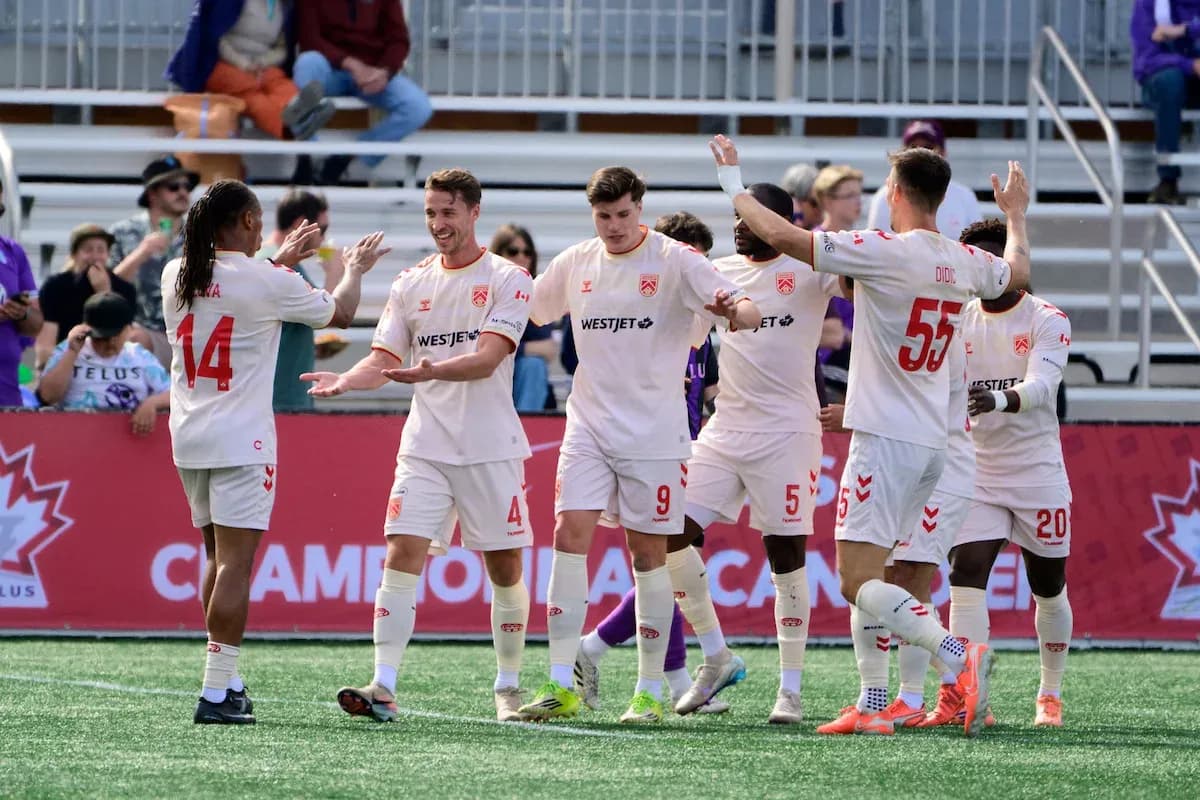
Cavalry FC Dominates Pacific FC in 1-0 Clash
York United Triumphs Over Vancouver FC in Canadian Premier League Clash
Atlético Ottawa vs Supra du Quebec Stats: Head-to-Head Record
Pacific FC vs Vancouver FC Stats: Head-to-head Record