
Carolina Core vs New York RB II: A 120-Minute Chess Match
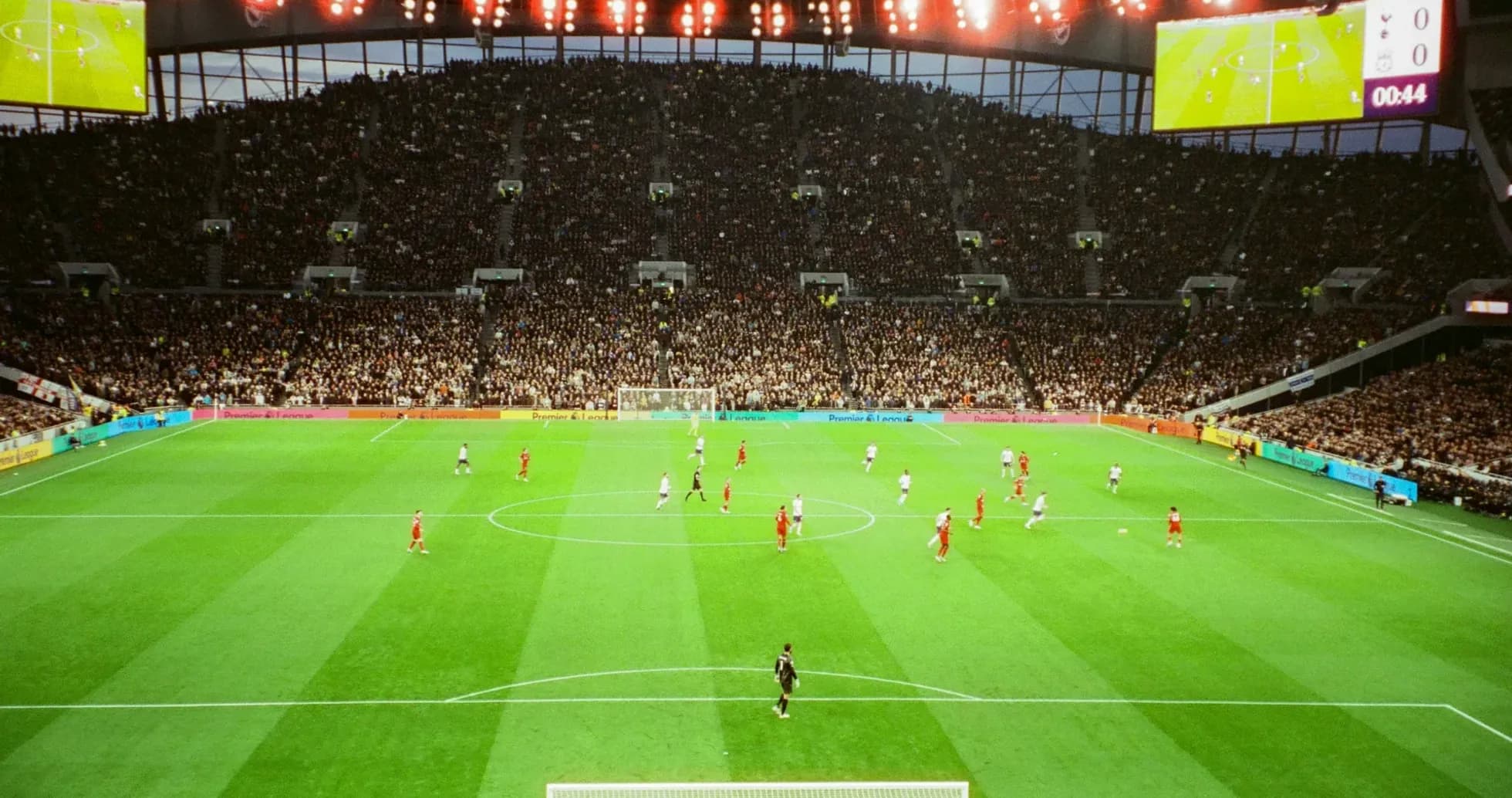
Under the Truist Point lights, Carolina Core and New York RB II played out the kind of 120‑minute chess match that exposes the true character of a squad. The MLS Next Pro group-stage tie finished 1–1 after normal time, before New York RB II edged the shootout 6–5, a result that felt entirely in step with the broader seasonal identities of both teams.
Heading into this game, the standings painted a stark contrast. Carolina Core sat 7th in the Central Division and 15th in the Eastern Conference, with just 9 points from 12 matches and a goal difference of -9 in both tables. Their overall record of 2 wins and 10 defeats, without a single draw, underlined a team that lives at the extremes: they either survive or they collapse. New York RB II, by contrast, arrived as a benchmark side. Top of the Northeast Division and 2nd in the Eastern Conference on 25 points, they carried a positive goal difference of 10, with 8 wins from 12 and a clear promotion-playoff trajectory.
That macro picture was reinforced by the season stats. Carolina’s campaign has been defined by fragility without the ball. Overall they concede 2.2 goals per game, and even at home they allow 2.0, while scoring 1.7 at Truist Point. There is attacking potential, but it is constantly undermined by defensive looseness and a total absence of clean sheets; they have not kept a single shutout in 12 fixtures. On their travels, the story is even bleaker: 0.7 goals for, 2.3 against, and no points at all.
New York RB II bring the opposite profile. Overall they score 2.3 goals per game and concede 1.5, a balance that explains their strong position. On their travels, they have been ruthless: 4 wins from 5 away matches, with 1.8 goals scored and just 1.2 conceded on their travels. They have only one clean sheet in total, but their attacking volume and efficiency tend to mask defensive lapses.
Within that context, Carolina’s starting XI felt like a statement of defiance from Donovan Ricketts. N. Holliday took the gloves, shielded by a defensive line anchored around N. Evers, N. Martinez and C. Orbaugh. The midfield spine of J. Caiza, R. Montenegro and T. Zeegers was tasked with knitting together transitions, while the attacking trident of A. Sumo, T. Raimbault, T. Pineda and A. Tattevin offered mobility and pressing energy rather than traditional target-man presence.
New York RB II, meanwhile, leaned into their depth and athleticism. A. Stokes, A. Modelo and A. Sanchez formed the defensive core, with J. Munson and C. Faello likely tasked with stepping into midfield lanes to trigger their trademark press. The central band of B. Rodriguez, N. Worth and D. Cadigan gave them technical security, while J. Masanka Bungi, D. Nelich and M. Jimenez carried the attacking burden. On the bench, the presence of A. Lopez, A. Wilson, M. Odeyinka and others underlined a bench built for impact, particularly in a match that ultimately ran to 120 minutes.
If Carolina’s tactical void this season has been defensive concentration, the disciplinary profile only deepens the concern. Their yellow-card distribution shows a constant undercurrent of stress: 20.59% of their bookings arrive between 46–60 minutes, with further spikes of 17.65% in both the 31–45 and 76–90 ranges. There is a clear pattern of strain either side of half-time and again in the closing stages. More alarming is their red-card profile: 100.00% of their reds come between 46–60 minutes, a window where emotional control seems to evaporate just as tactical adjustments are needed most.
New York RB II, by contrast, manage the early phases better but walk a disciplinary tightrope late on. Only 4.00% of their yellows arrive in each of the first two 15‑minute blocks, but there is a pronounced late‑game surge: 20.00% between 31–45, another 20.00% between 61–75, and a heavy 36.00% in the 76–90 window. Their single red card this season has arrived between 61–75 minutes, suggesting that their intensity can tip into overreach just as opponents tire.
This is where the “Hunter vs Shield” dynamic becomes intriguing. New York RB II, as the hunter, typically attack with volume, averaging 2.3 goals overall and 1.8 on their travels. Carolina’s shield, however, has been porous: 2.2 goals conceded overall and 2.0 at home. Yet in this match, they managed to hold the visitors to a single goal across 120 minutes, an outlier performance that hints at a growing defensive resilience when the occasion demands it. Holliday’s command of the box, combined with the work rate of Evers and Orbaugh, suggested a back line finally willing to suffer.
In the “Engine Room” battle, Carolina’s trio of Caiza, Montenegro and Zeegers had to disrupt a New York midfield that is used to dictating tempo. With New York’s season-long record of failing to draw a single match—12 games, 8 wins, 4 losses, 0 draws—the match was always likely to tilt toward chaos rather than control. That the game reached penalties at 1–1 indicates Carolina’s midfield found ways to slow the tempo, break up combinations, and prevent New York from hitting their usual scoring averages.
From a statistical prognosis standpoint, New York RB II still emerge as the more sustainable project. Their positive goal difference of 10, their ability to score in every away game, and a perfect penalty record this season (1 total, 1 scored, 0 missed) foreshadowed their composure in the shootout, where they converted 6 penalties to Carolina’s 5. Carolina’s season-long penalty profile—0 taken, 0 scored, 0 missed—meant they entered the shootout without a statistical baseline, relying purely on nerve.
Following this result, the underlying numbers still point in one direction. New York RB II’s xG profile, implied by their consistent scoring rates and away success, suggests they will continue to generate and convert chances at a playoff-worthy clip. Carolina, meanwhile, must treat this 120‑minute stand as a blueprint rather than a one-off: if Holliday’s back line can replicate this defensive focus, and if the likes of Sumo, Pineda and Tattevin can add marginal gains in chance creation, their harsh -9 goal difference and 2.2 goals conceded per game can begin to soften.
For now, though, Truist Point will remember a night where an underdog finally stood its ground, only for the more polished, promotion-chasing machine of New York RB II to show, from the spot, why their season has been built on cold, statistical certainty.
Related News

MLS Winners and Losers: Rising USMNT Star Cavan Sullivan, St. Louis City's Smart Moves, and Chicago Fire's Struggles Without Hugo Cuypers

MLS Highlights: Portland Timbers End Drought, Josh Sargent Shines, Cavan Sullivan Impresses
Tacoma Defiance vs Colorado Rapids II Stats: Head-to-Head Record

St. Louis City II vs Vancouver Whitecaps II: Head-to-Head Stats and Match Preview
Atlanta United II vs New York City II Stats: Head-to-Head Record
Houston Dynamo FC II vs Austin II Stats: Head-to-head Record