
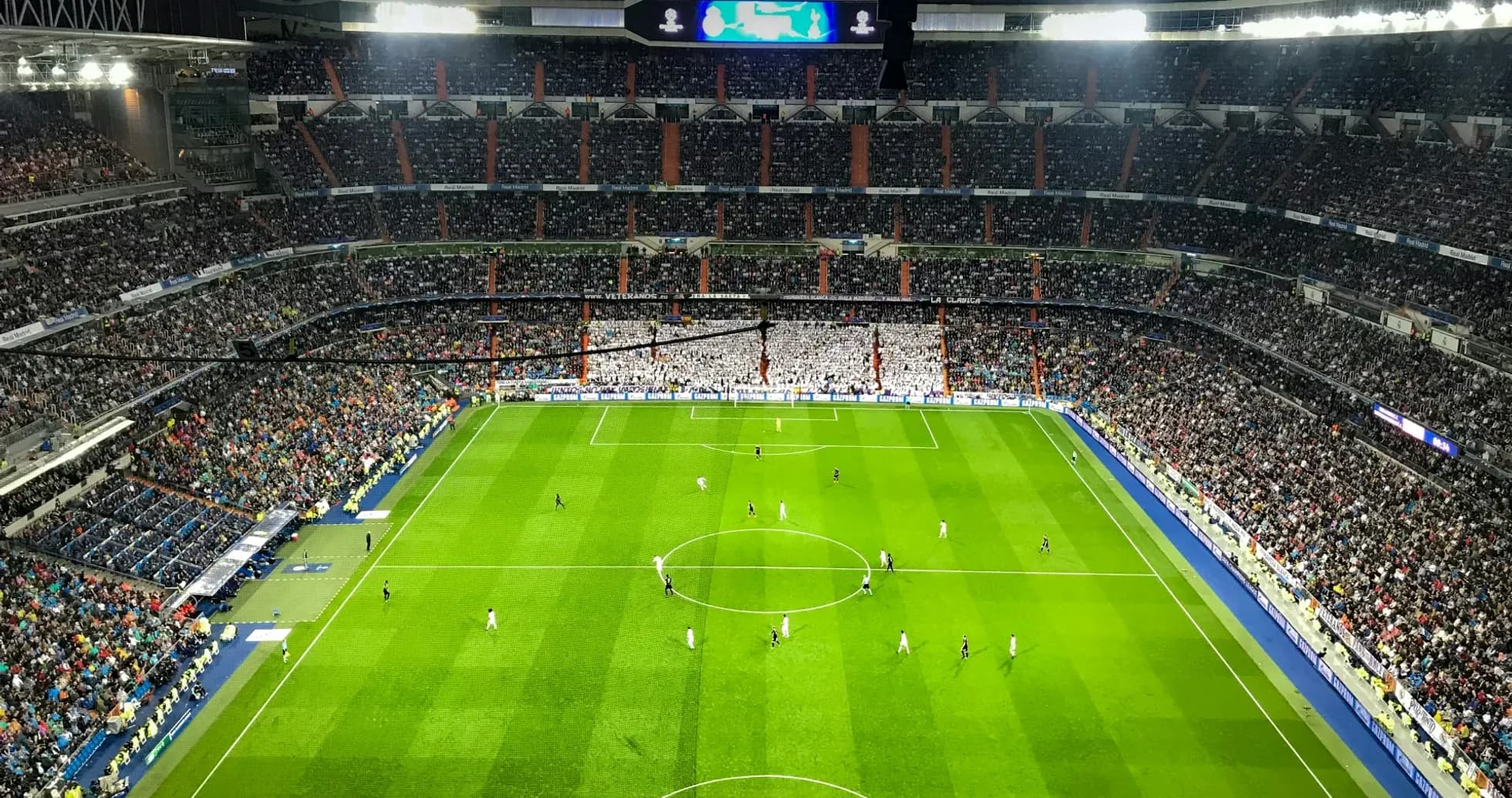
Burnley and Aston Villa Share Points in Tactical Stalemate
Burnley and Aston Villa shared a 2-2 draw at Turf Moor in Premier League Regular Season - 36, a match that pitted Burnley’s compact 4-2-3-1 against Unai Emery’s more ball-dominant 4-2-3-1. The scoreline mirrored the underlying story: Villa controlled territory and possession, Burnley traded that control for vertical threat and transition punches. At half-time it was 1-1, and despite Villa turning the game around early in the second half, Burnley’s structural tweaks and directness ensured the points were split.
I. Executive Summary
Complete, the disciplinary and scoring detail clarifies the rhythm and tactical pivots.
II. Scoring Sequence & Disciplinary Log
Chronological card log (all times in minutes):
- 49' Tyrone Mings (Aston Villa) — Foul
- 60' Zian Flemming (Burnley) — Persistent fouling
Total cards: Burnley: 1, Aston Villa: 1, Total: 2
Event flow:
- 8' Burnley 1-0 Aston Villa – Jaidon Anthony struck first for Burnley with a normal goal, finishing an early attacking pattern that underlined Burnley’s intent to attack quickly once they broke Villa’s first line.
- 40' A potential goal by Ollie Watkins (Aston Villa) was disallowed by VAR, a crucial moment that highlighted Burnley’s high-risk defending against Villa’s central runs.
- 42' Burnley 1-1 Aston Villa – Ross Barkley equalised with a normal goal, assisted by John McGinn. Villa’s 4-2-3-1 found its rhythm between the lines, with McGinn operating as a connector in the right half-space and Barkley timing his run from the No.10 zone.
- 49' Tyrone Mings received a yellow card for “Foul”, a reflection of Villa’s increasingly aggressive rest-defence as they tried to lock Burnley in.
- 56' Burnley 1-2 Aston Villa – Ollie Watkins scored a normal goal, assisted by Emiliano Martínez. This sequence, starting from the goalkeeper, underlined Villa’s capacity to build from deep and exploit Burnley’s high or disjointed press with direct vertical play.
- 58' Burnley 2-2 Aston Villa – Zian Flemming levelled with a normal goal, assisted by Hannibal Mejbri, immediately punishing Villa’s momentary disorganisation after taking the lead.
- 60' Flemming then received a yellow card for “Persistent fouling”, a by-product of his dual role as both pressing spearhead and creative focal point.
From 69' onward, a wave of substitutions from both sides reshaped the tactical landscape, but neither side found a decisive third goal.
III. Tactical Breakdown & Personnel
Burnley, under Mike Jackson, set up in a 4-2-3-1 with Max Weiss in goal behind a back four of Lucas Pires, Maxime Estève, Axel Tuanzebe and Kyle Walker. Florentino Luís and Lesley Ugochukwu formed the double pivot, with Jaidon Anthony and Loum Tchaouna wide, Hannibal Mejbri as the central creator, and Zian Flemming as the lone forward.
The plan was clear: concede territory (34% possession, 255 passes, 186 accurate at 73%) but attack vertically and quickly. Burnley’s 15 total shots (6 on goal) from only 34% of the ball show a side prioritising direct progression over circulation. The double pivot’s role was less about long passing chains and more about regaining second balls and immediately finding Mejbri or the wide men. Anthony’s 8' opener came from this model: regain, release, finish before Villa’s block could settle.
Defensively, Burnley were aggressive: 17 fouls and Flemming’s “Persistent fouling” card reflect a high-intensity press and frequent tactical infringements to disrupt Villa’s rhythm. Weiss made 5 saves but, with goals prevented at -0.16, he marginally underperformed shot-stopping expectation; Burnley’s defensive structure left him exposed to high-quality central looks, particularly around Barkley and Watkins.
Emery’s Aston Villa mirrored the shape but not the approach. With 66% possession and 510 passes (439 accurate, 86%), Villa built patiently. Victor Lindelöf and Youri Tielemans as the double pivot gave secure circulation, while Ian Maatsen and Matty Cash provided width, allowing McGinn and Barkley to overload the half-spaces. Villa’s 18 total shots (7 on goal) and 8 corners emphasise sustained territorial pressure.
The disallowed Watkins chance at 40' and Barkley’s 42' equaliser both came from exploiting spaces between Burnley’s midfield and defence. After the break, Martínez’s assist for Watkins at 56' was a tactical highlight: Villa drew Burnley higher, then went long and direct into Watkins’ runs, showing Emery’s flexibility to alternate between patient build-up and vertical release.
Substitutions adjusted the dynamics rather than the base shape. For Burnley:
- 69' Lyle Foster (IN) came on for Hannibal Mejbri (OUT), adding more of a second-striker profile and extra depth running.
- 79' Josh Laurent (IN) came on for Lesley Ugochukwu (OUT), injecting energy and ball-carrying into midfield.
- 79' Zeki Amdouni (IN) came on for Zian Flemming (OUT), freshening the front line while keeping a similar hybrid 9/10 role.
- 87' James Ward-Prowse (IN) came on for Florentino Luís (OUT), adding set-piece threat and more composed distribution from deep.
- 87' Jacob Bruun Larsen (IN) came on for Jaidon Anthony (OUT), maintaining width with fresher legs for transition.
For Aston Villa:
- 74' Lucas Digne (IN) came on for Ian Maatsen (OUT), a like-for-like at left-back but with slightly different crossing angles.
- 74' Emiliano Buendía (IN) came on for Victor Lindelöf (OUT), shifting Villa towards a more attacking double-pivot/advanced midfielder structure.
- 80' Douglas Luiz (IN) came on for Ross Barkley (OUT), restoring balance and control in central midfield.
- 80' Lamare Bogarde (IN) came on for Matty Cash (OUT), stabilising the right flank.
- 85' Leon Bailey (IN) came on for John McGinn (OUT), adding direct 1v1 threat and stretching Burnley’s back line late on.
These changes showed Emery’s intent to keep control while adding creativity (Buendía, Bailey), whereas Jackson’s changes aimed at maintaining transition threat and set-piece quality in a tiring game.
IV. The Statistical Verdict
The xG profile frames the draw as fair but stylistically contrasting: Burnley at 1.77 xG versus Aston Villa’s 1.42. Despite Villa’s territorial dominance and superior passing metrics (510 passes vs Burnley’s 255), Burnley generated slightly better chances relative to quality, consistent with a counter-attacking, direct approach. Both goalkeepers posted -0.16 in goals prevented, indicating that finishing slightly outstripped shot-stopping on both sides.
Burnley’s Overall Form in this match reads as resilient and opportunistic: out-possessed but able to manufacture clear chances and respond quickly after setbacks, especially the immediate equaliser at 58'. Defensively, their index is mixed: 17 fouls and one yellow suggest intensity, but the concession of 18 shots and 2 goals shows structural strain against high-level movement.
Aston Villa’s Overall Form reflects a controlled, possession-based side that created enough to win but allowed too much in transition. Their Defensive Index is undermined by the timing of the goals conceded and the inability to shut down Burnley’s vertical routes despite numerical and territorial superiority. In the end, the 2-2 stands as a tactical stalemate: Villa’s structure versus Burnley’s transitions, each imposing their game in different phases without fully breaking the other.
Related News
Bournemouth vs Liverpool Prediction: Key Stats and Betting Tips
Tottenham vs Aston Villa Predicted Lineups: Team News for Premier League Clash
Brighton vs Arsenal: Premier League Clash Preview
Manchester City vs Sunderland: Premier League Clash Preview
Tottenham vs Aston Villa: Early Relegation Battle

Brentford vs Chelsea Predicted Lineups: Team News and Match Insights