
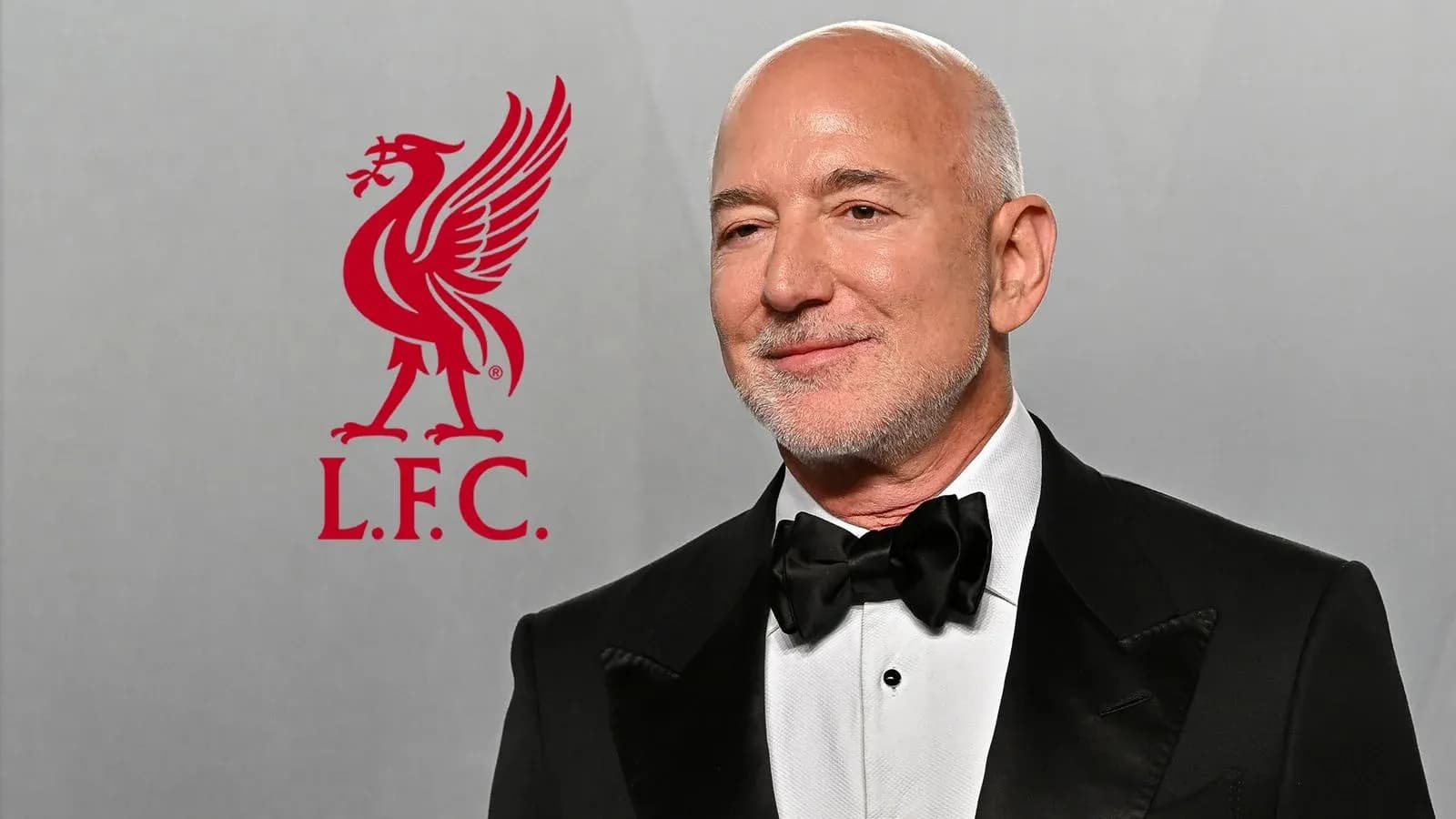
Bezos Circles Anfield as Liverpool Welcomes Mega-Wealth
Liverpool are on the brink of welcoming one of the richest men on the planet into their boardroom, in a move that would drag Anfield even deeper into football’s age of mega-money.
Sky News understands that a consortium featuring Amazon founder Jeff Bezos is closing on a deal to buy roughly a one-third stake in Liverpool, with an announcement being lined up by Fenway Sports Group (FSG) as early as this week. Those close to the talks accept the timing could slip into next week, but the direction of travel is clear: some of the world’s most powerful capital is heading for Merseyside.
The investor group is being led by Amit Bhatia, the British-Indian entrepreneur and former Queens Park Rangers shareholder, and also includes Facebook co-founder Eduardo Saverin. Between them and Bezos, Liverpool are about to acquire not just new investors, but a trio of financial heavyweights rarely seen together in any sport.
A £4.4bn valuation and a new financial stratosphere
The proposed deal, which insiders now expect to be slightly larger than first anticipated and potentially over 30 per cent of the club, would value Liverpool at around £4.4bn ($6bn). That figure would rank among the richest transactions the game has seen.
For FSG, it would mark another staggering leap in value. The Boston-based group bought Liverpool in 2010 for about £300m, taking on a club that was financially troubled and fractious off the pitch. Sixteen years on, Champions League and Premier League titles in the bank, a modernised Anfield and a world-class training base in Kirkby have helped turn that investment into one of sport’s great business stories.
If the new stake lands at the touted valuation, it will only reinforce the scale of that success.
Bezos steps into football’s boardroom
Bezos, whose fortune Forbes estimates at over £207bn ($280bn), has never before been seriously linked with a football club purchase. His presence in this Liverpool-bound consortium underlines how elite sport has become a fully fledged asset class for the global super-rich.
His fellow investor Saverin, worth over £23.7bn ($32bn), already has form in the game. The 44-year-old was part of a group that tried – and failed – to buy Chelsea during the 2022 sale forced by sanctions on Roman Abramovich after Vladimir Putin’s invasion of Ukraine. Now, instead of Stamford Bridge, his money looks set to flow into Anfield.
The syndicate is fronted by Bhatia, 46, who runs AyBe Capital, a multi-asset investment firm with interests across technology, media, property and real estate, consumer retail, and health. Married to Vanisha Mittal Bhatia, daughter of steel magnate Lakshmi Mittal, he brings with him both financial clout and deep ties to global industry.
Minority stake now – but for how long?
Officially, this is a strategic minority investment. Nothing more, nothing less. That is the line from FSG.
A spokesperson for the owners said last month: “An investment consortium led, managed, and represented by Amit Bhatia has expressed interest in making a strategic minority investment in Liverpool Football Club.” Since then, they have declined to comment on the timing or size of any agreement, while a spokesman for the Bhatia-led group has also stayed silent.
Yet the arrival of such a powerful syndicate will inevitably ignite speculation that minority status might be a staging post rather than a final destination. When you assemble Bezos, Saverin and Bhatia around the same table, few will believe they are content to sit quietly on the margins forever.
For now, though, FSG remain firmly in control. The last time they diluted their shareholding came in 2023, when Dynasty Equity bought a small stake that valued Liverpool at over £3.3bn ($4.5bn). This new deal would move that bar significantly higher.
Football as a playground for the ultra-rich
This potential investment is another marker in a wider trend. From American private equity funds to state-backed projects in the Gulf, the elite end of football is now a battleground for the world’s deepest pockets. Liverpool, historically wary of being seen as a corporate plaything, are now squarely in that fight.
Bezos already owns the e-commerce giant Amazon, aerospace firm Blue Origin and Nash Holdings, the vehicle that controls The Washington Post. Saverin helped build Facebook into a global phenomenon. Bhatia operates across sectors and continents. Their money, their networks and their expectations will change the temperature around Anfield the moment the ink dries.
Liverpool and FSG have been contacted for comment but have yet to break their public silence. The consortium is saying nothing either. The deal, though, is edging closer.
When one of the world’s richest men buys into one of England’s most storied clubs, the question is no longer whether football has become big business.
It is what happens to the game when business becomes this big.
Related News
Carlos Alcaraz Urges Tennis Organizers to Stop Matches Finishing in the Early Morning
Carlos Alcaraz Frustrated by 3:30 a.m. US Open Finish: 'Too Much'
Jannik Sinner Set for ATP 500 Return in Beijing with Novak Djokovic Also Competing
Meet Iva Jovic: The Rising American Tennis Talent
Flavio Cobolli Shares Insights on Training with Jannik Sinner Ahead of His Tennis Return
Till vs Romero: Fight Details, Undercard, and Viewing Info for This Weekend