
Bayern Munich Wins Supercup: Key Moments and Tactical Insights
Bayern Munich have their first piece of silverware for 2026/27 – and a small but pointed statement to go with it. A 2-1 win at Signal Iduna Park over Borussia Dortmund delivered the Franz Beckenbauer Supercup, thanks to Nathaniel Brown and Michael Olise in a ruthless first half, with Fabio Silva’s reply coming too late to change the story.
It was only a curtain-raiser. It did not feel like one.
Neuer: still world-class, still walking the tightrope
Manuel Neuer has always lived on the edge. That edge is getting thinner.
The Bayern captain again mixed brilliance with unnecessary chaos. The pattern is no longer an occasional glitch; it’s becoming a theme.
The Champions League quarter-final in Madrid still lingers in the mind – the stray pass to Arda Güler that gifted Real an early lead. In Dortmund, the warning lights flashed again. After 15 minutes, Neuer fizzed a loose ball toward Min-jae Kim, inviting trouble. Kim bailed him out with sharp reactions, smothering the danger before BVB could punish the mistake.
Late on, Neuer went one better – or worse. Receiving a backpass from Kim, he tried to casually let Jobe Bellingham run past him with a feint behind his standing leg. It went wrong. Suddenly Bellingham was in, the stadium roaring for an equaliser. Neuer, to his credit, exploded into a full-length block to deny him. A brilliant save, born from his own misjudgment.
This is the contradiction Bayern must live with. On the line, Neuer remains elite. He showed it again with a stunning stop from new signing Konstantinos Karetsas early in the second half, reacting instantly to claw away a close-range effort that looked destined for the net.
But the risk with the ball at his feet is rising, not receding. At 38 and having again hinted this could be his final season, the succession plan is no longer theoretical. Jonas Urbig is in place, 23 years old and earmarked for more minutes this year than last. The idea is clear: Neuer for the biggest nights, Urbig eased in around him.
The question is creeping closer: how many more high-stakes games can Bayern afford to ride this rollercoaster with the ball at Neuer’s feet?
Brown the surprise No. 10 – and Bayern’s new trump card
Nathaniel Brown arrived as a left-back. He left Dortmund with a goal, a medal and a new label: tactical luxury.
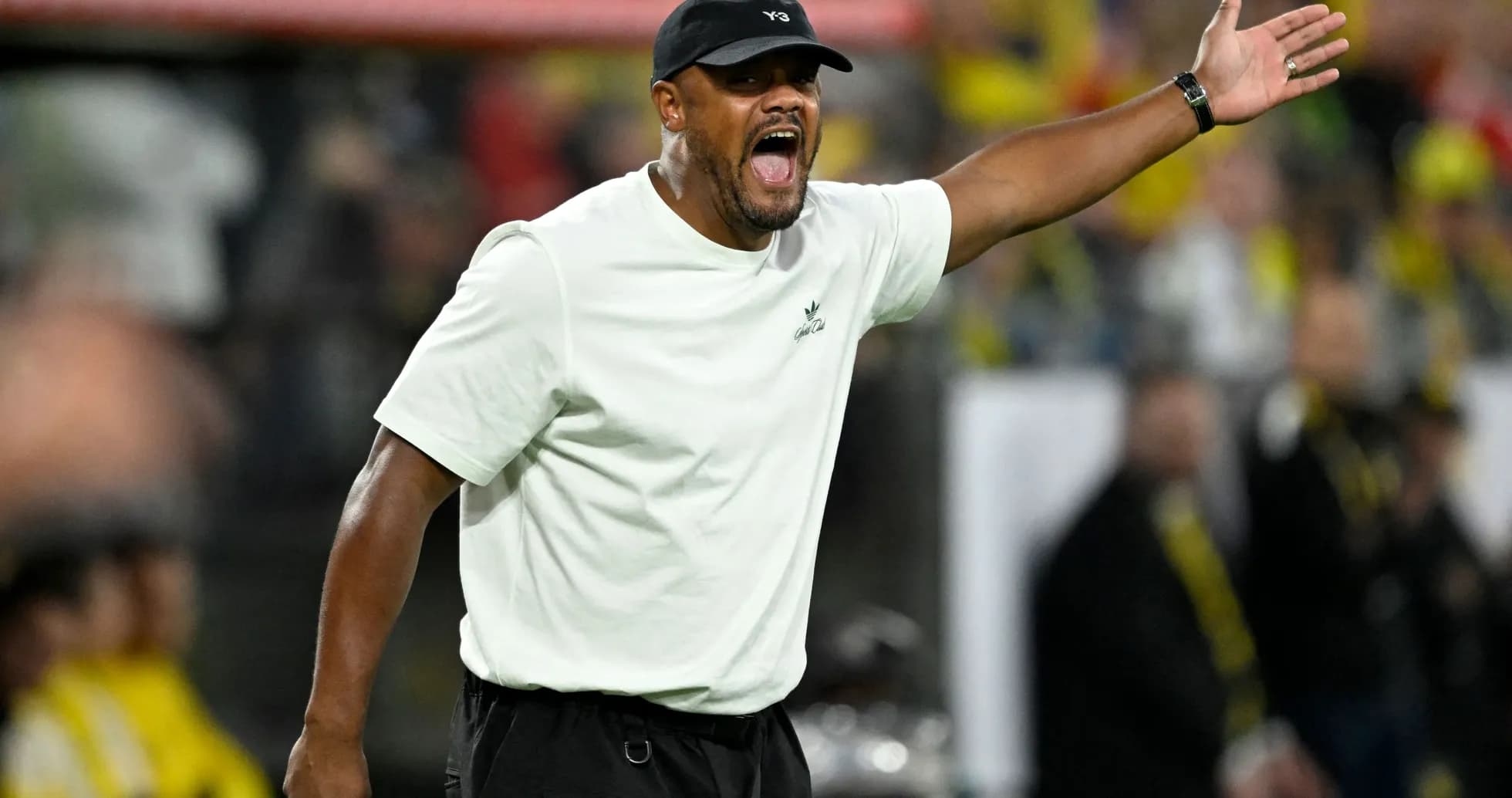
With Jamal Musiala unavailable due to neurological issues that have already forced him off in recent friendlies, and Ismael Saibari not yet ready to start, most expected Tom Bischof to slot in behind Harry Kane. Vincent Kompany had other ideas.
Brown, the nominal full-back, started as the central playmaker, operating in the pocket behind Kane. It looked bold on the teamsheet; on the pitch, it looked like a plan.
Kompany’s explanation was simple and revealing: for Bayern, the spaces a full-back attacks can mirror those of a No. 10. Brown reads those zones instinctively. He drifts between lines, finds gaps, and does it with the composure of a player who has not come to Munich just to be a squad piece.
It was not perfect. That would have been unrealistic. Brown has only been at the club a few weeks and is still learning Bayern’s attacking patterns, especially in such an advanced role. There were a few loose touches, a few mis-timed combinations.
But there was also the moment that mattered most. On 28 minutes, Brown arrived with conviction and buried the opener, a clean, decisive finish that set Bayern on their way and gave him his first trophy with the club.
By the break, Olise had doubled the lead and Bayern’s depth looked ominous. Brown’s performance underlined what Kompany now has at his disposal: a player signed for left-back who can also operate as a No. 6 and, as pre-season and now the Supercup show, as a No. 10.
He is not alone. Konrad Laimer can cover both full-back positions and any role in central midfield from 6 to 10. Josip Stanisic can play either side in a back four and step into central defence. Bayern’s bench no longer looks like a list of alternatives; it looks like a toolbox.
For a club that saw its squad stretched to breaking point last season, that matters.
Kovac’s inverted wing-back gamble: promise and price
On the other side, Niko Kovac used the Supercup to double down on an experiment. He flipped his wing-backs: left-footed Daniel Svensson started on the right, right-footed Julian Ryerson on the left.
The idea is clear. With inverted full-backs, Dortmund gain the option to cut inside, to attack half-spaces like traditional wingers at top clubs, rather than just going to the byline and crossing. Kovac wants variety, not predictability.
At times, it worked. In the first half, Ryerson, driving in from the left on his stronger right foot, whipped a deep cross to the far post. Ramy Bensebaini stretched and glanced it in – only for the flag to go up. Marginal offside, goal chalked off.
But the flip brought problems too. When Svensson drifted infield from the right and met a low Bensebaini ball near the penalty spot, he had to shoot with his weaker right foot. He mistimed the attempt completely and missed the ball. In that pocket, on that angle, a right-footed Ryerson would likely have done far more damage.
At half-time, Kovac reset. Svensson went back to the left, Ryerson to the right. The effect was immediate. Dortmund’s attacks carried more natural rhythm, more depth down the flanks, more pressure on Bayern’s back line.
The goal that dragged BVB back into the game told the story. Svensson, now on his natural left, surged to the byline and cut the ball back smartly for Fabio Silva, who finished with icy calm for 2-1.
Kovac’s tweak offers intrigue and upside, but the Supercup showed the trade-off clearly. With inverted wing-backs, Dortmund gain angles and shooting lanes. They lose some of the natural, explosive runs and clean finishing positions that come with players operating on their stronger side.
How often he’s willing to pay that price in the Bundesliga will be one of the tactical subplots of Dortmund’s season.
Fabio Silva’s answer – and a transfer dilemma
For Serhou Guirassy, this felt like a familiar, frustrating night. The transfer noise around him has quietened, and all signs point to him staying for at least another season. On this evidence, he still has work to do to become the focal point Kovac needs.
Guirassy ran, pressed, tried to link play. He never really got hold of the game. He did not register a truly dangerous moment.
On the hour, Kovac turned to Fabio Silva. The change transformed Dortmund’s presence in the box.
Silva’s movement immediately troubled Bayern. He dropped a little deeper, then burst into the right spaces at the right time. His goal – the strike that gave BVB hope at 2-1 – came from that intelligence: peeling off, finding the cutback from Svensson, and finishing with the kind of composure that has only appeared in flashes since his arrival last year.
Those flashes are exactly why other clubs are circling. Several sides are reportedly pushing for Silva, with Real Betis understood to be the most serious suitor. The 24-year-old is not locked into staying, and Dortmund’s hierarchy would consider a sale if the offer is right.
That calculation just got more complicated. With the window entering its final stretch, BVB must weigh up whether they can afford to lose a forward who can change a game off the bench – and whether a suitable replacement is even available this late.
Silva’s cameo did not win Dortmund the Supercup. It did something else: it forced the club to think harder about what, and who, they are willing to let go as a long season looms.
Related News
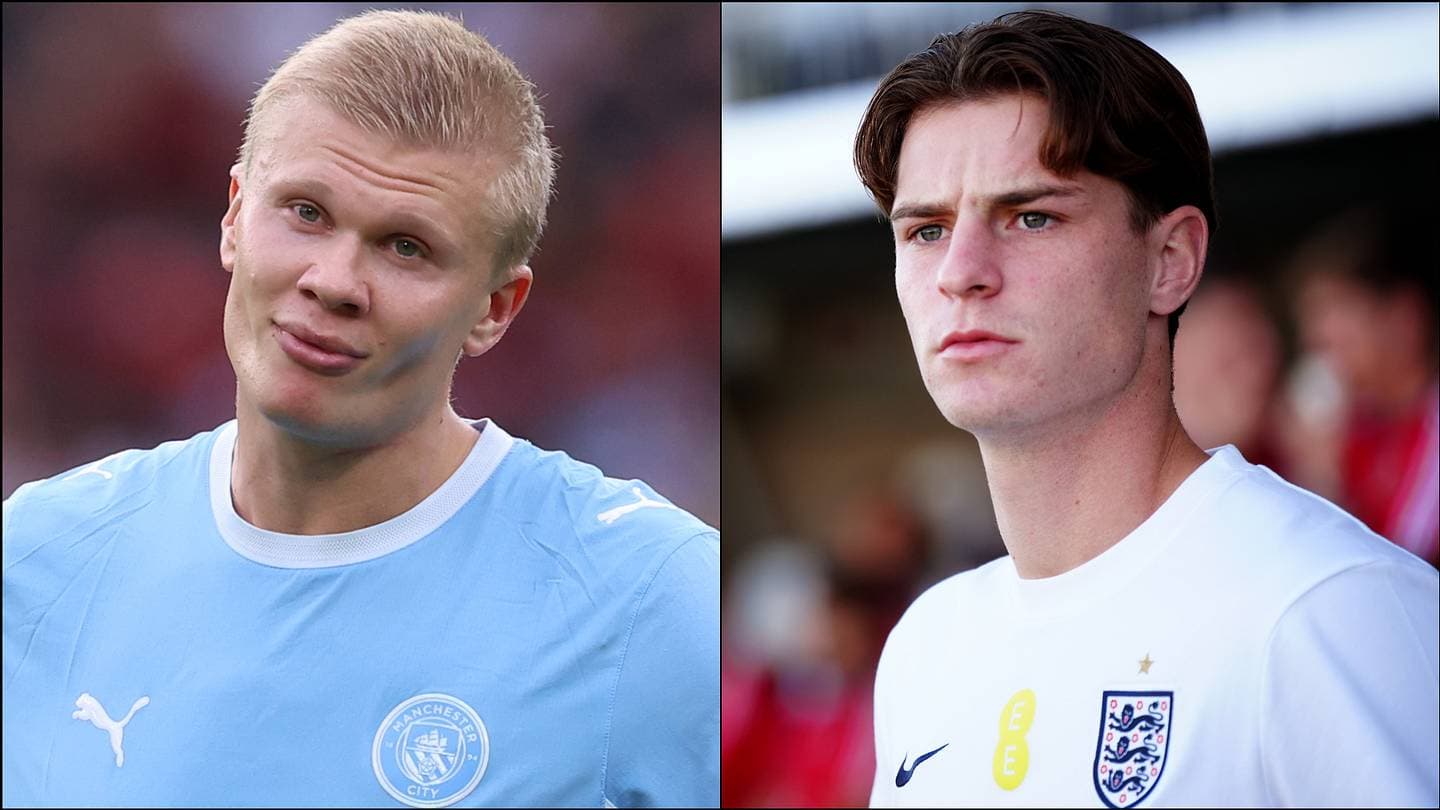
Transfer Rumors: Haaland’s Two Options; Real Madrid Targets $100 Million Premier League Star
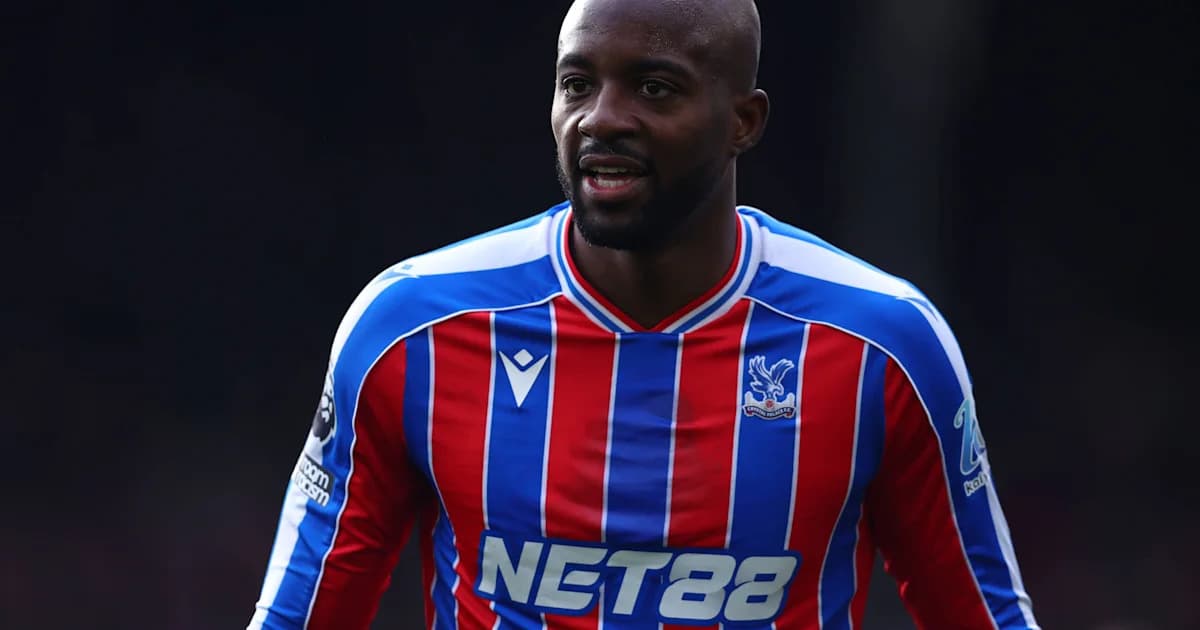
Manchester United Targets Premier League Forward to Strengthen Attack
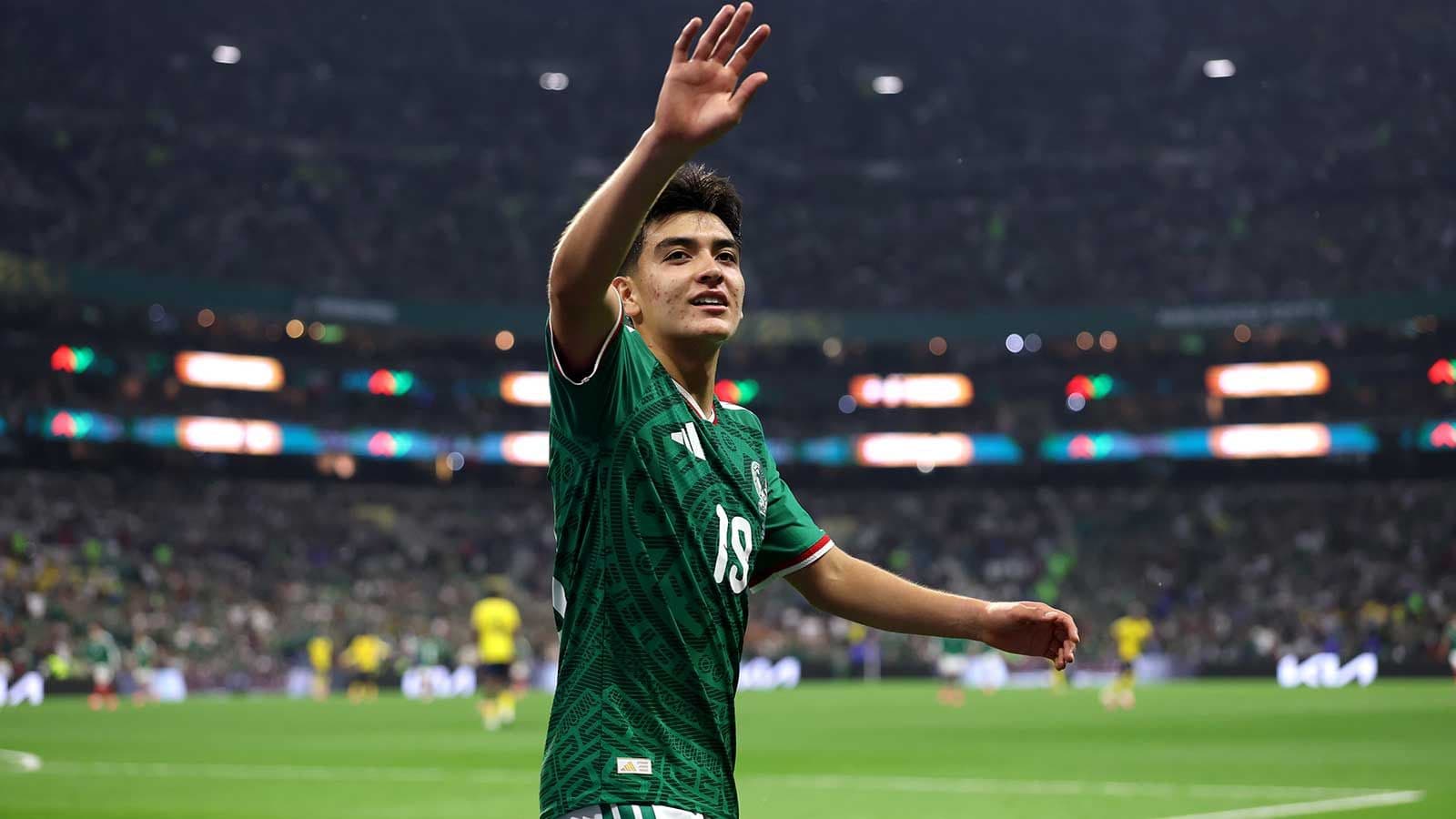
Liverpool Eyes 17-Year-Old Mexican Midfielder Gilberto Mora for Summer Transfer
Summer 2026 Transfer Window: Manchester United and Tottenham Struggle with New Signings
Liverpool Maintain Interest in Real Madrid Midfielder Amid Transfer Challenges
Transfer Insider Warns Tottenham About Costly Sale of Will Lankshear