
AC Milan vs Atalanta: Thrilling 3-2 Showdown at San Siro
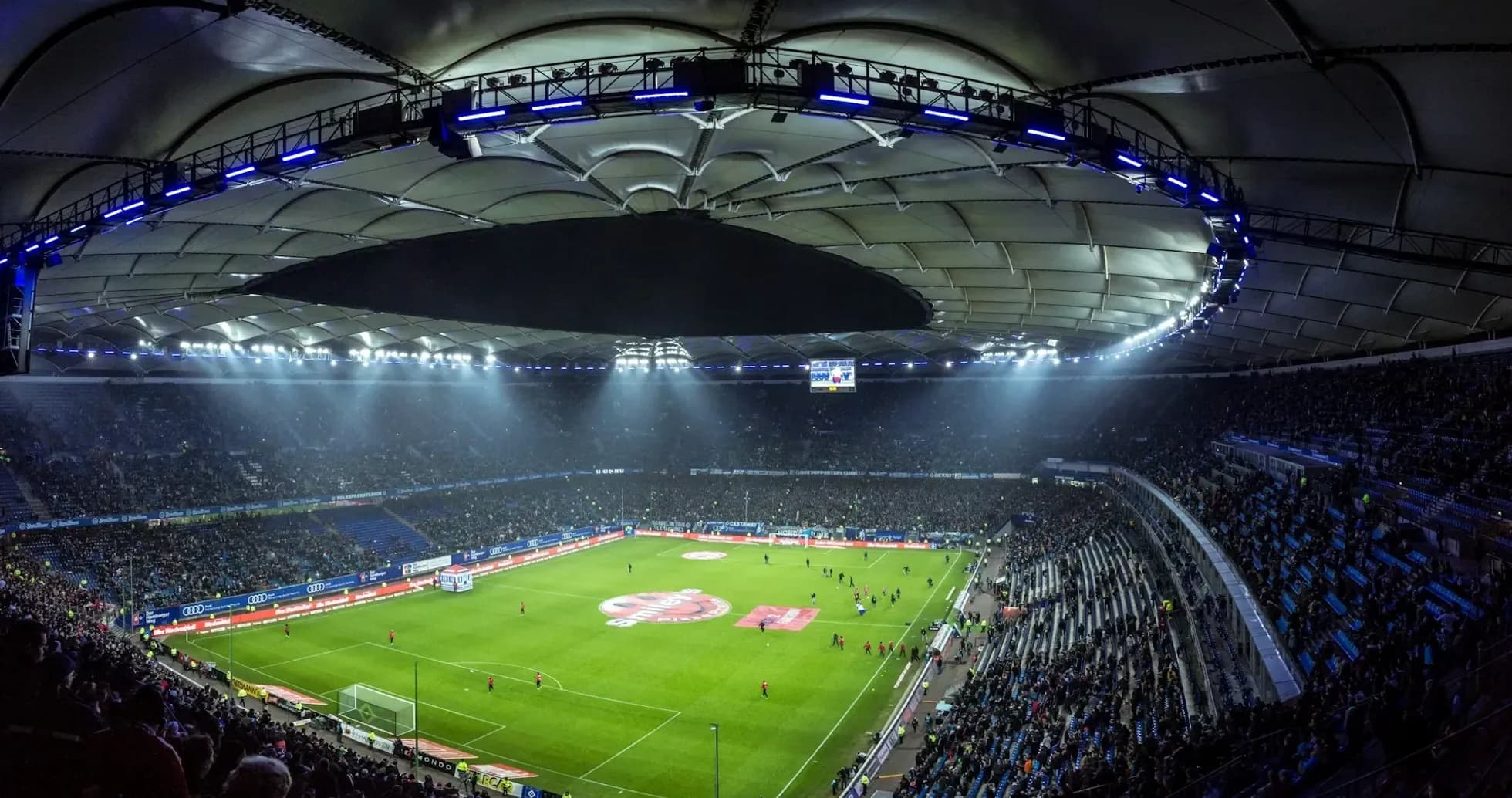
Under the San Siro floodlights, this was a night that laid bare both the strengths and the frailties of two sides chasing Europe. At the Stadio Giuseppe Meazza, AC Milan and Atalanta produced a five-goal thriller, the visitors edging it 3–2 after leading 2–0 at half-time. Following this result, the table tells a nuanced story: Milan, in 4th on 67 points with a goal difference of +18 (50 scored, 32 conceded overall), remain well placed for Champions League football. Atalanta, 7th on 58 points with a goal difference of +16 (50 scored, 34 conceded overall), stay in the hunt, their away resilience once again decisive.
Heading into this game, Milan’s seasonal DNA was clear: a side built on structure and controlled aggression in a 3-5-2, with 19 wins from 36 matches and only 32 goals conceded overall, averaging 0.9 goals against per match. At home, they had been solid if not spectacular, with 24 goals scored and 19 conceded across 18 matches. Atalanta arrived as one of Serie A’s most balanced outfits: 15 wins, 13 draws and only 8 defeats overall, scoring 50 and conceding 34, with a perfectly symmetrical 25 goals for both at home and on their travels. Their 3-4-2-1 has been a season-long reference point, used 32 times, and it framed this contest too.
The tactical voids were significant and shaped the narrative. Milan were without three key names: Luka Modric (broken cheekbone), Christian Pulisic (muscle injury) and Fikayo Tomori (suspended after a red card). The absence of Modric removed a metronome from midfield, forcing Massimiliano Allegri to lean fully into the industry and verticality of Adrien Rabiot and the all-round drive of Ruben Loftus-Cheek. Without Pulisic’s creativity and one‑v‑one threat, the burden of invention shifted even more heavily onto Rafael Leão. Tomori’s suspension meant Matteo Gabbia had to anchor a back three that also featured Koni De Winter and Strahinja Pavlovic, a trio long on potential but shorter on shared scars.
Atalanta had their own defensive gaps: L. Bernasconi (injury) and Berat Djimsiti (hamstring injury) were missing, depriving Raffaele Palladino of a seasoned organiser at the back. That made the roles of Giorgio Scalvini, Isak Hien and Sead Kolasinac even more central as the away side tried to hold a lead under pressure.
Disciplinary trends hinted at how the match might tilt. Milan’s season card map shows a pronounced late-game surge in yellow cards, with 25.42% of their bookings arriving between 76–90 minutes. Atalanta mirror that late‑edge intensity, with 22.81% of their yellows in the same period and a notable red-card profile: one dismissal in the opening 0–15 minutes and another in 76–90. This is a fixture between two sides who tend to live on the edge as legs tire and spaces open, and the closing stages at San Siro indeed became stretched and frantic as Milan chased the game.
The “Hunter vs Shield” duel revolved around Atalanta’s striking spearhead and Milan’s defensive record. Nikola Krstović, one of Serie A’s most productive forwards this season with 10 goals and 5 assists, started as the tip of Palladino’s 3‑4‑2‑1. Across 32 appearances, he has taken 74 shots with 33 on target and drawn 27 fouls, a striker who never stops duelling (258 duels, 113 won) and presses relentlessly from the front. He was supported by Charles De Ketelaere and Giacomo Raspadori, two mobile forwards dropping between the lines.
They faced a Milan back line that, heading into this game, had conceded only 13 goals on their travels and 19 at home, with 15 clean sheets overall. But without Tomori’s pace and anticipation, the shield was thinner. Gabbia had to lead the line, De Winter patrol the right channel and Pavlovic the left, all while Theo‑like width was instead provided by Alessandro Saelemaekers and the young Davide Bartesaghi as wing-backs. The early 2–0 deficit at half-time underlined how vulnerable that reconfigured back three could be when exposed to Atalanta’s rotations and Krstović’s movement across the front.
Engine Room
In the “Engine Room”, the clash was just as compelling. For Atalanta, De Ketelaere has quietly become one of Serie A’s most complete creators: 5 assists, 60 key passes and 969 total passes with 78% accuracy. He is a high-volume dribbler too, with 100 attempts and 49 successes, and his ability to drift into pockets between Milan’s midfield and defence repeatedly asked questions of Sandro Ricci and Rabiot. Behind him, Marten De Roon and Ederson offered the classic Atalanta axis: De Roon as the enforcer, Ederson as the two-way shuttler.
Milan’s answer lay in the physical and technical blend of Loftus‑Cheek and Rabiot, with Ricci tasked with knitting the build-up. Without Modric’s control, Milan leaned more on direct carries and quick vertical passes into Santiago Gimenez and Leão. Leão’s season numbers – 9 goals, 3 assists, 45 shots (24 on target), 55 dribbles attempted with 25 successes – underline his status as Milan’s chaos agent. Once again he was asked to bend Atalanta’s back three out of shape, driving at Hien and Scalvini, while Gimenez worked the channels and pinned Kolasinac.
From the bench, Allegri had a different kind of artillery. Niclas Füllkrug offered a penalty-box focal point if Milan needed to go more direct, while Pervis Estupiñán – who has 1 goal, 1 assist and a red card on his Serie A ledger this season – brought overlapping thrust and a hint of volatility. Every substitution carried a narrative: any moment where “[IN] replaced [OUT]” for a defender risked further destabilising a back line already missing Tomori.
For Atalanta, the presence of Gianluca Scamacca among the substitutes added a looming threat. With 10 goals in just 23 appearances and 49 shots (22 on target), he is a finisher who can transform a tight game. Alongside him, creative depth in the form of Lazar Samardžić and the energy of Y. Musah meant Palladino could either double down on control or open the game up in transition.
Statistically, both teams came into the night with almost mirrored attacking profiles: 50 goals scored overall each, averaging 1.4 goals per match. The difference lay in defensive texture. Atalanta’s away record – 20 goals conceded on their travels at an average of 1.1 per match – suggested they were more fragile outside Bergamo than at home, where they concede only 0.8 on average. Milan, by contrast, had been marginally tighter away than at San Siro, but their 7 home clean sheets and 7 away clean sheets pointed to a side usually capable of controlling space.
Following this result, the numbers confirm the storyline: Atalanta’s attack is good enough to pierce even a top‑four defence, and Milan’s structure, especially when key leaders are missing, can be rattled by a side that rotates and overloads between the lines. Both teams remain flawless from the spot this season – Milan with 6 penalties scored from 6, Atalanta 3 from 3 – but Pulisic’s earlier miss in the campaign, recorded as 1 penalty missed despite no goals from the spot, lingers as a reminder that even elite technicians can falter.
The tactical prognosis moving forward is clear. Milan’s 3‑5‑2, used 32 times this season, still offers a solid base, but Allegri must find a way to protect his back three better when Tomori is absent and to diversify the creative burden beyond Leão and the injured Pulisic. Atalanta’s 3‑4‑2‑1, meanwhile, continues to be one of Serie A’s most coherent systems: with Krstović as the spear, De Ketelaere as the conduit and a midfield that can both destroy and build, they have the tools – and the numbers – to keep dragging themselves into the European conversation, especially in high‑stakes, high‑tempo nights like this one in Milan.
Related News
Frosinone vs Como Prediction: Key Stats and Betting Tips

Fiorentina vs Napoli Prediction: Key Stats and Betting Tips
AS Roma vs Inter: Serie A Showdown on 19 September 2026

Inter’s Dominance in 5–3 Win Over Udinese

AS Roma vs Inter Prediction: Key Stats and Betting Tips
Lazio and AC Milan Battle to a 2–2 Draw: Early Serie A Insights