
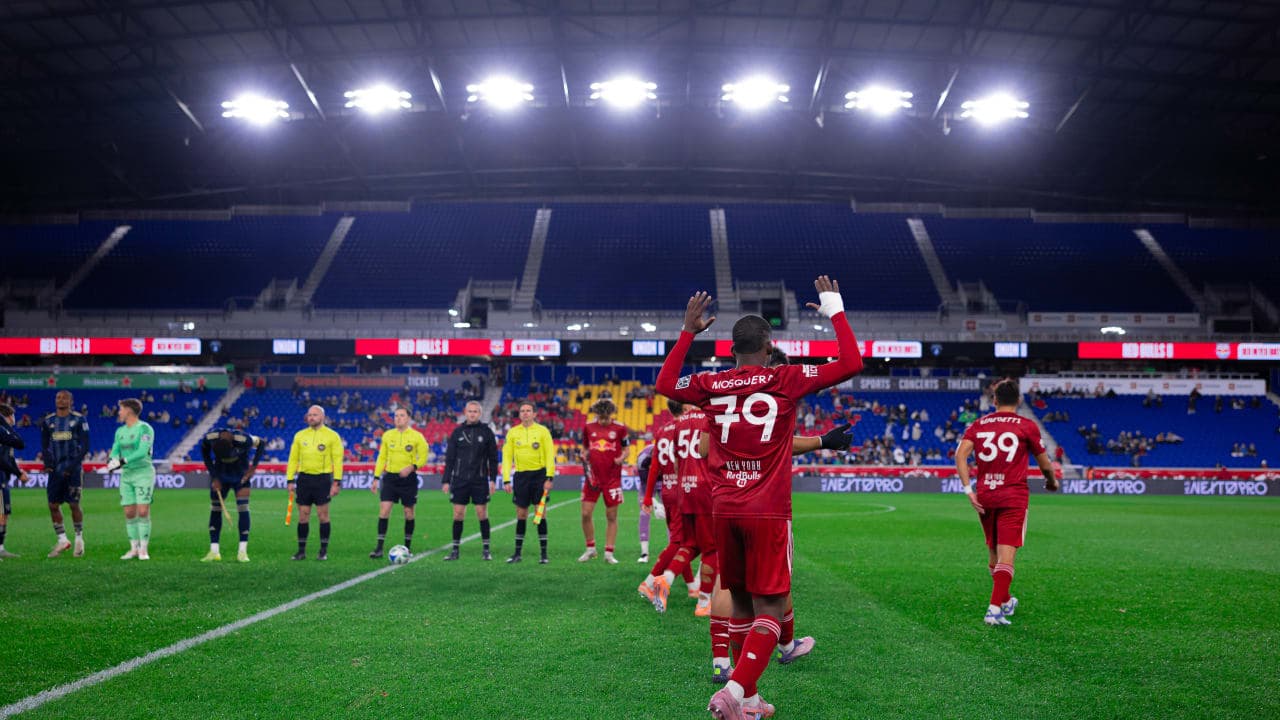
New York City II Upsets RB II in Intense Derby Clash
MSU Soccer Park hosted a derby that felt bigger than its “Group Stage” label. New York RB II arrived as the standard‑setters of the MLS Next Pro Northeast Division, top of their group with 23 points from 10 matches and a ruthless goal difference of 12 (24 scored, 12 conceded). New York City II came in as the chasers, 6th in the division and 12th in the Eastern Conference, carrying a far leaner record: 12 points from 9 games, 11 goals for and 16 against, a goal difference of -5.
Following this result – a 3–2 away win for New York City II after a 0–0 first half – the storyline is not simply about three points. It is about a clash of footballing identities: RB II’s vertical, high‑risk aggression against a City II side that has been brittle on their travels but dangerous when allowed to play through chaos.
RB II’s seasonal DNA is clear. Overall this campaign they have won 7 of 10 league fixtures, losing 3 and drawing none. At home, they have been especially explosive: 17 goals scored in 6 matches at an average of 2.8 per game, while conceding 9 at an average of 1.5. On their travels they are more measured but still efficient, with 7 goals in 4 away games at an average of 1.8, conceding 5 at 1.3. They rarely fail to punch first: they have not failed to score in any league match, and their biggest home win so far is a 4–1, underscoring how quickly they can run away from opponents once the press bites.
New York City II, by contrast, have been living on a knife edge. Heading into this game they had 4 wins and 5 losses from 9, with no draws. At home they are relatively strong – 3 wins in 4, 6 goals scored and 8 conceded – but away form has been their glaring weakness: 1 win and 4 defeats in 5 games, 6 goals scored and 9 conceded, averaging 1.2 goals for and 1.8 against on their travels. Their biggest away win, a 3–2, hinted at a team that thrives in wild, open contests rather than controlled, low‑margin battles. MSU Soccer Park delivered exactly that type of match.
Tactical Lineups
Tactically, the lineups underline both clubs’ developmental priorities more than strict positional orthodoxy. RB II’s XI – A. Stokes, C. Faello, A. Sanchez, J. Masanka Bungi, D. Gjengaar, C. Harper, S. Kone, D. Cadigan, A. Rojas, N. Worth, M. Jimenez – is packed with vertical runners and press‑hungry profiles. Even without listed formations, you can feel the Red Bull blueprint: full‑backs or wide players like C. Harper and D. Gjengaar expected to explode forward, while central figures such as S. Kone and D. Cadigan knit together the first and second waves of pressure.
On the bench, RB II had depth tailored to maintain intensity: M. Morigi, P. Sokoloff, C. Gallagher, D. Nelich, B. Rodriguez, S. Baitinger, and B. Boulanger all offer fresh legs for a second‑half press, while A. Causey and A. Modelo give alternative profiles if the game state demands more control or directness. The underlying numbers support this high‑octane identity: overall they average 2.4 goals scored and 1.4 conceded per match, and they have never failed to score. Their disciplinary profile is telling too. RB II pick up 40.00% of their yellow cards between 76–90 minutes and another 10.00% in 91–105, plus their only red card in the 61–75 window. The pattern suggests a side that refuses to dial down aggression late on, even at the cost of cards.
City II’s starting group – M. Learned, A. Campos, J. Loiola, K. Acito, K. Smith, C. Flax, J. Suchecki, H. Hvatum, D. Duque, D. Kerr, C. Danquah – is more fluid, more technical, and designed to play through pressure rather than match it blow for blow. The substitutes’ bench – B. Klein, D. McDermott, E. Martin, S. Musu, D. Randazzo, G. de Souza, E. Samb – offers a mix of extra running power and ball‑carrying to adjust the tempo when the press becomes suffocating.
Their disciplinary map reveals a different tension. New York City II take 33.33% of their yellows in the 16–30 minute window and another 33.33% between 76–90, with a further 11.11% in 91–105. Their only red card this season arrives in that 76–90 band. That profile hints at two danger zones: early, when they are still settling into games and can be rattled by intensity, and late, when fatigue and game‑state desperation kick in.
Hunter vs Shield
This is where the “Hunter vs Shield” matchup becomes fascinating. RB II, the league’s hunters, have scored 24 overall this campaign, while City II have conceded 17. On their travels, City II’s defence has been porous, allowing 9 goals in 5 away matches at 1.8 per game. Yet in this derby, City II’s “shield” held just enough, and their own attack – 12 goals overall at 1.3 per match – finally found a way to out‑gun a heavyweight.
In the “Engine Room” duel, RB II’s collective pressing core faced City II’s more rhythm‑based midfielders like C. Flax and J. Suchecki. RB II’s season‑long card surge late in matches met City II’s vulnerability to late indiscipline, creating a volatile final quarter where every duel felt like it could tilt the narrative. It is precisely in that 76–90 window, where both sides historically lose a bit of control, that this fixture tilted decisively towards the visitors.
From a statistical prognosis standpoint, RB II remain the more sustainable project. Their goal difference of 10 in the team‑stats snapshot (24 for, 14 against) and a 7–3–0 win‑loss‑draw profile signal a side whose xG and chance creation likely outstrip most opponents. They have converted their only penalty of the season, maintaining a 100.00% record from the spot with no misses, another marker of composure in key moments.
City II, with 12 goals for and 17 against overall, still look like a negative xG difference side that relies on moments rather than structure. They have yet to win a penalty this campaign, and have already failed to score in 3 of 9 matches, a warning sign for consistency.
Yet derbies have their own gravity. Following this result, New York City II have shown they can survive RB II’s storm and turn a chaotic away day into a statement win. For RB II, the lesson is sharper: their late‑game aggression, so often an asset, must be balanced with control if they are to convert dominance into the kind of playoff‑hardened performances that the Eastern Conference demands.
Related News

MLS Winners and Losers: Rising USMNT Star Cavan Sullivan, St. Louis City's Smart Moves, and Chicago Fire's Struggles Without Hugo Cuypers

MLS Highlights: Portland Timbers End Drought, Josh Sargent Shines, Cavan Sullivan Impresses
Tacoma Defiance vs Colorado Rapids II Stats: Head-to-Head Record

St. Louis City II vs Vancouver Whitecaps II: Head-to-Head Stats and Match Preview
Atlanta United II vs New York City II Stats: Head-to-Head Record
Houston Dynamo FC II vs Austin II Stats: Head-to-head Record