
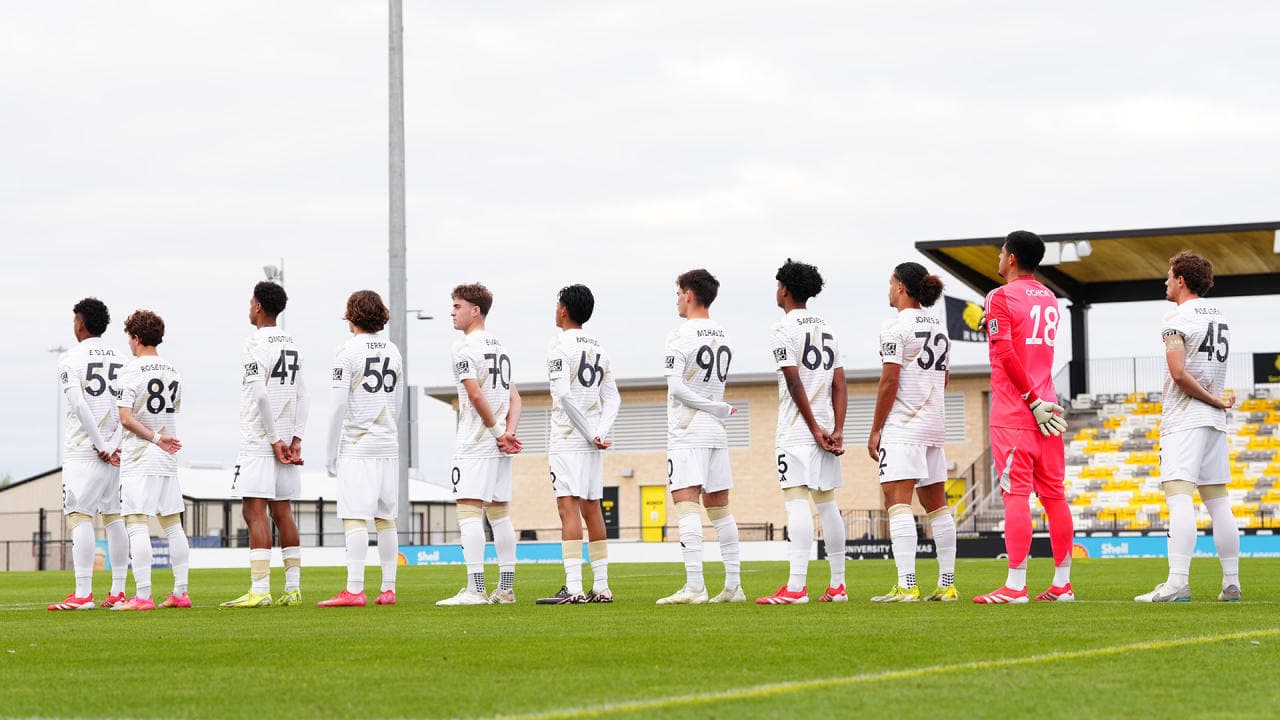
Los Angeles FC II vs Ventura County: A Thrilling 3–2 Showdown
Under the lights at Titan Stadium, Los Angeles FC II and Ventura County delivered a wild 3–2 that felt more like a playoff audition than a routine MLS Next Pro group-stage date. The league table framed it as a clash of near equals: heading into this game, Los Angeles FC II sat 2nd in the Pacific Division and 5th in the broader Eastern Conference grouping with 19 points and a goal difference of -1, while Ventura County were 3rd in the Pacific and 6th in the Eastern Conference pool, also on 19 points but with a goal difference of 2.
Both sides arrived with attacking identities baked into their season DNA. Overall, Los Angeles FC II had scored 22 goals in 11 matches, averaging 2.0 goals per game both at home and on their travels, but they were leaking 2.2 goals per match overall, including 3.0 away. Ventura County mirrored that offensive punch: 24 goals in 12 games, also 2.0 per match home and away, but with a more controlled defence, conceding 1.7 overall and only 1.4 away.
The narrative of the night, though, flipped the pre-match script. Ventura County, one of the league’s strongest away sides with 5 wins in 7 on their travels, raced into a half-time lead (0–1) and looked set to extend that reputation. Instead, Los Angeles FC II, usually more fragile defensively, found a way to turn a deficit into a statement home win, scoring three times after the break to edge it 3–2. Following this result, the raw numbers still show a pair of free-scoring, defensively flawed contenders—but the psychological balance between them has shifted.
Tactical Voids and Discipline
With no official data on absences or injuries, the squads named tell their own story: both coaches leaned heavily into youth depth, particularly Los Angeles FC II, who filled the bench with nine substitutes. The starting XI for the hosts was built around a fluid, interchangeable core: E. Scally, T. Babineau, L. Goodman and E. Diaz provided the structural spine, with S. Kaplan and S. Nava likely tasked with linking phases, and a front cluster of D. Guerra, J. Machuca, M. Evans, T. Mihalic and M. Aiyenero offering pace and vertical threat.
Ventura County’s XI had a more balanced, almost modular look. S. Conlon, M. Vanney and E. Martinez anchored the back line alongside Pepe and R. Dalgado, while T. Elgersma and G. Arnold formed a functional engine room. Ahead of them, V. Garcia, D. Vanney, E. Preston and J. Placias suggested a flexible front four, capable of rotating between wide overloads and central combinations.
From a disciplinary standpoint, the season-long trends shaped the tactical risk calculus. Heading into this game, Los Angeles FC II had not kept a single clean sheet in total and had already seen one red card, notably in the 46–60 minute window, where 100.00% of their reds were concentrated. Their yellow-card profile showed a clear spike immediately after half-time: 33.33% of their cautions arrived between 46–60 minutes, hinting at a side that often emerges from the break over-aggressive or stretched.
Ventura County, by contrast, had walked a tightrope without stepping off it: 4 clean sheets in total, no red cards, but a distinctly late-game yellow surge. Only 5.88% of their yellows came in the opening 15 minutes, while 29.41% fell between 46–60, another 29.41% between 61–75, and a league-high 35.29% in the 76–90 window. They tend to finish matches on the edge, pressing high, fouling more, and flirting with disciplinary trouble as fatigue and game-state pressure kick in.
In that light, the second half at Titan Stadium always looked likely to become a psychological and physical test. Los Angeles FC II’s post-interval volatility met Ventura County’s late-game aggression, and the 3–2 final felt like the natural by-product of that combustible mix.
Key Matchups: Hunter vs Shield, Engine Room
Without individual goal and assist charts, the “hunter vs shield” battle had to be read through team profiles and positional clusters. For Los Angeles FC II, the attacking burden was clearly shared among the advanced five: Guerra, Machuca, Evans, Mihalic and Aiyenero. This group operated against a Ventura County back line that, away from home, had conceded only 10 goals in 7 matches heading into this fixture—an average of 1.4 away. That away defensive record, combined with 3 away clean sheets in total, framed Ventura County as one of the division’s more reliable travelling rearguards.
Yet Los Angeles FC II’s home numbers suggested they would eventually find cracks. At home, they had scored 10 goals in 5 games, averaging 2.0, and their biggest home win of 3–1 showed a capacity to overrun visiting defences once momentum turned. The second-half surge to three goals here fits that pattern: once the hosts tilted the pitch, Ventura County’s away solidity was dragged into the chaotic, high-scoring rhythm that Los Angeles FC II prefer.
In the engine room, Ventura County’s season-long balance between attack and control was embodied by players like T. Elgersma and G. Arnold, screening in front of a back line that had conceded 20 goals in 12 games overall. They were up against a Los Angeles FC II midfield that lives in transition, part of a team that had allowed 24 goals in 11 matches overall, including a brutal 3.0 conceded per game on their travels. At home, though, Los Angeles FC II’s defensive numbers were more respectable—6 goals conceded in 5 games, an average of 1.2. That home/away split underlined a key tactical truth: if they could keep the game in Ventura County’s half and avoid giving up cheap transitions, their own defensive frailties would be masked by territorial control.
Statistical Prognosis and Tactical Verdict
Strip away the chaos of a 3–2 and the underlying metrics still paint these sides as mirror images with subtle contrasts. Both score 2.0 goals per game overall. Both avoid draws entirely—Los Angeles FC II with 6 wins and 5 losses in 11, Ventura County with 7 wins and 5 losses in 12. The difference lies in defensive architecture and game management.
Ventura County, with 20 goals conceded overall and an away average of 1.4 against, remain the more structurally sound unit on their travels, reinforced by 3 away clean sheets. Their single penalty this season was converted, a small but telling sign of composure in key moments. Los Angeles FC II, meanwhile, are a high-variance proposition: 24 goals conceded overall, 3.0 against on their travels, no clean sheets in total, and a card profile that spikes immediately after half-time.
Following this result, the tactical lesson is clear. When Los Angeles FC II can drag opponents into their preferred rhythm—open, transitional, emotionally charged—they have the firepower at home (2.0 goals scored, 1.2 conceded on average) to outgun even one of the league’s best away teams. Ventura County, for all their away strength, are most vulnerable when forced into late-game chases, where 35.29% of their yellows appear and control slips.
In a playoff-style rematch, xG would likely tilt narrowly toward the hosts at Titan Stadium, driven by volume and territory, while Ventura County would bank on their away defensive averages and clean-sheet pedigree to grind the game down. The 3–2 in this group-stage encounter suggests that if the match opens up, Los Angeles FC II’s volatility becomes a weapon rather than a weakness—and Ventura County’s shield, usually so reliable on their travels, can be prised apart by sustained, second-half pressure.
Related News

MLS Winners and Losers: Rising USMNT Star Cavan Sullivan, St. Louis City's Smart Moves, and Chicago Fire's Struggles Without Hugo Cuypers

MLS Highlights: Portland Timbers End Drought, Josh Sargent Shines, Cavan Sullivan Impresses
Tacoma Defiance vs Colorado Rapids II Stats: Head-to-Head Record

St. Louis City II vs Vancouver Whitecaps II: Head-to-Head Stats and Match Preview

Atlanta United II vs New York City II Stats: Head-to-Head Record

Houston Dynamo FC II vs Austin II Stats: Head-to-head Record