
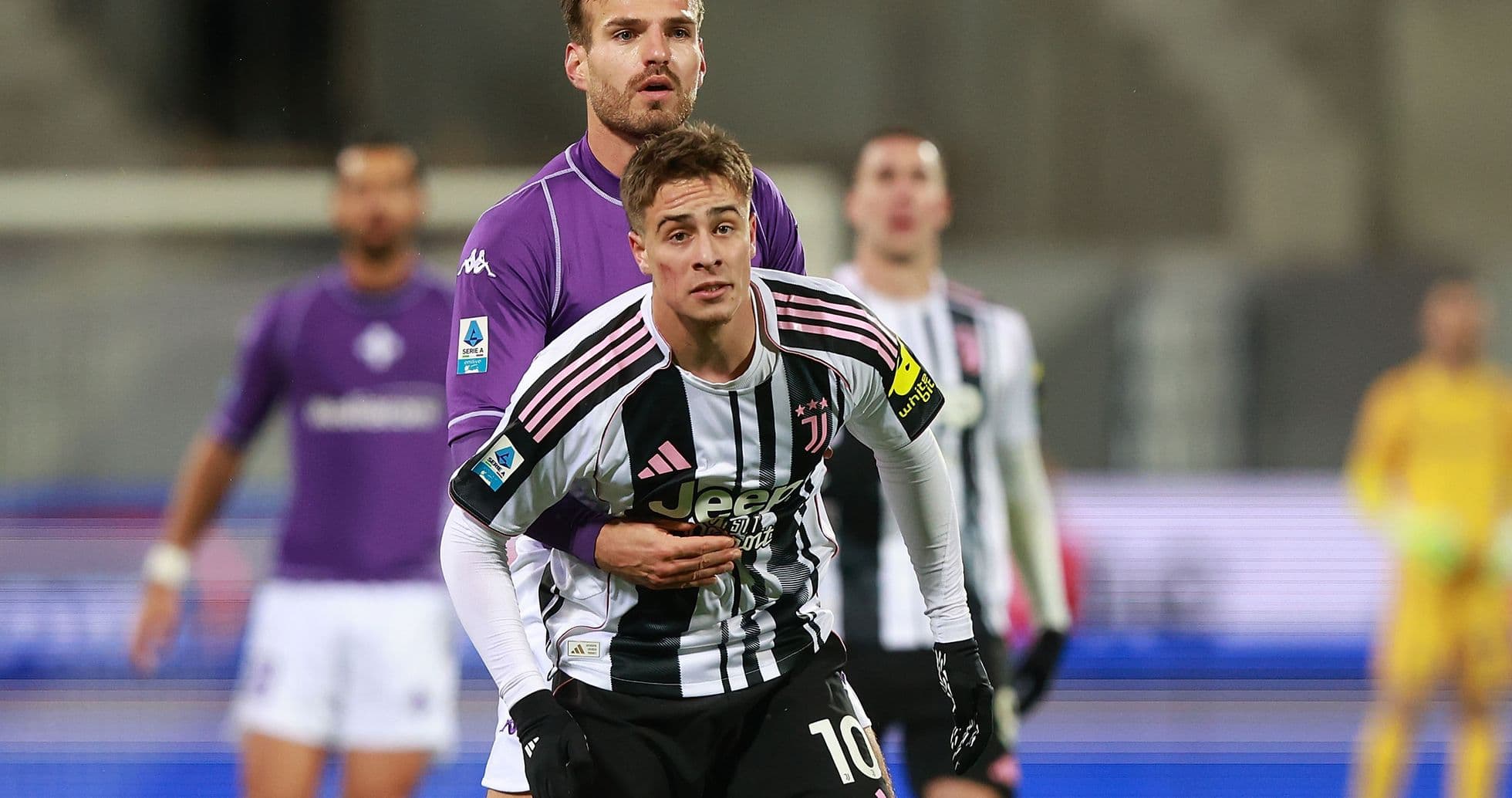
Juventus vs Fiorentina: Tactical Analysis of a Surprising 0-2 Defeat
Under the grey Turin sky of Allianz Stadium, a season’s worth of tension crystallised into 90 unforgiving minutes. Juventus, a Europa League–bound heavyweight sitting 6th with 68 points and a goal difference of 27 (59 scored, 32 conceded in total this campaign), were out-thought and out-fought by a Fiorentina side who arrived in survival mode, 15th on 41 points and carrying a negative goal difference of -9 (40 for, 49 against overall).
Following this result, the 0-2 home defeat cuts against Juventus’ broader seasonal DNA: at home they had been robust, with 10 wins from 19, scoring 35 and conceding only 16. Fiorentina, by contrast, came in as a fragile away side – 5 wins, 6 draws, 8 defeats on their travels, with 20 goals scored and 29 conceded – but Paolo Vanoli’s 4-3-3 imposed itself on Luciano Spalletti’s 4-2-3-1 from the opening whistle.
The half-time scoreline of 0-1 confirmed what the eye already knew: Juventus’ structure was there on paper, but Fiorentina’s collective aggression and clarity of roles were superior. The second-half strike to make it 0-2 turned a surprise into a statement, and underlined the gap between Juventus’ season-long numbers and their execution on the day.
II. Tactical Voids and Discipline
On the Juventus side, there were no listed absences, allowing Spalletti to roll out a strong XI: M. Di Gregorio behind a back four of P. Kalulu, Bremer, L. Kelly and A. Cambiaso; M. Locatelli and T. Koopmeiners as the double pivot; F. Conceicao, W. McKennie and K. Yildiz supporting D. Vlahovic. It was, in theory, a balanced 4-2-3-1, but in practice the void appeared between the pivot and the attacking three. Locatelli, a yellow-card magnet with 9 bookings in Serie A this season, again had to juggle build-up responsibility with defensive fire-fighting.
Fiorentina, even without the injured M. Kean (calf injury, listed as “Missing Fixture”), showed no such structural uncertainty. D. de Gea anchored a back four of Dodo, M. Pongracic, L. Ranieri and R. Gosens. Ahead of them, C. Ndour, N. Fagioli and M. Brescianini formed a compact, hard-running midfield three, while the front line of F. Parisi, R. Piccoli and M. Solomon stretched Juventus horizontally and vertically.
Disciplinary trends shaped the tone. Heading into this game, Juventus had collected their yellow cards in waves, with a clear spike between 61-75 minutes (22.00%) and another late rise in the 76-90 window (20.00%). Fiorentina, meanwhile, were notorious late-game agitators: 25.30% of their yellows came in the 76-90 range, and 66.67% of their reds also arrived in that same late phase. Yet on this day, it was Juventus who lost their heads structurally rather than Fiorentina losing theirs emotionally; Vanoli’s side managed their aggression, staying on the right side of the line.
III. Key Matchups
Hunter vs Shield
The narrative began with K. Yildiz. Across the season, he has been Juventus’ attacking reference point: 10 goals and 6 assists in Serie A, with 64 shots (40 on target) and an impressive 76 key passes. As an all-phase attacker, his blend of dribbling (149 attempts, 78 successful) and final ball normally gives Juventus a cutting edge. He also arrived with the mixed record from the spot: 1 penalty scored, 1 missed in total, a detail that underlines both his importance and the pressure on his decision-making in the box.
Fiorentina’s shield against him was built around M. Pongracic, Serie A’s most booked player with 12 yellows. His profile explains why: 32 tackles, 26 blocked shots and 35 interceptions show a defender constantly stepping into danger. Alongside him, L. Ranieri – 8 yellows and 1 red – brought aggression and aerial presence (187 cm, 24 interceptions, 13 blocks). Together, they formed a central pair prepared to live on the edge to contain Yildiz, Vlahovic and the late runs of McKennie.
In this match, the hunter never truly escaped the cage. Fiorentina’s mid-block compressed the half-spaces where Yildiz usually thrives, forcing him wide or back towards M. Locatelli. With Dodo aggressively tracking F. Conceicao and Gosens pinning Cambiaso deeper than Spalletti would have liked, Juventus’ main creator found himself receiving to feet under immediate pressure rather than attacking space.
Engine Room
The duel at the heart of the pitch was even more telling. M. Locatelli, one of Serie A’s most complete midfielders this season, came in with 2720 passes at 88% accuracy, 46 key passes, 99 tackles, 23 blocked shots and 38 interceptions. He is both metronome and shield, but his disciplinary record – 54 fouls committed, 9 yellows, and a missed penalty this season – hints at how often he is stretched to cover multiple roles.
Opposite him, Fiorentina’s trio was built less on star power and more on synergy. N. Fagioli, technically clean and positionally astute, connected defence and attack, while M. Brescianini and C. Ndour provided legs and vertical pressure. Their job was simple: suffocate Locatelli’s passing lanes into Koopmeiners and McKennie, and force Juventus to build via the full-backs.
The plan worked. Locatelli was dragged sideways, often forced into lower-value passes to Kalulu or Cambiaso. McKennie, who has contributed 5 goals and 5 assists this season and blocked 8 shots defensively, was repeatedly forced into wider, less central zones to get on the ball. Fiorentina’s midfield three stayed compact, reducing the number of times Juventus could find Vlahovic between the lines or isolate Yildiz 1v1.
IV. Statistical Prognosis and Tactical Verdict
Across the season, Juventus’ numbers suggested they should have controlled this fixture. At home they have averaged 1.8 goals for and 0.8 against, with 8 clean sheets and only 4 matches where they failed to score. Fiorentina away have averaged 1.1 goals for and 1.5 against, failing to score in 7 of 19 and keeping just 4 clean sheets. On paper, any xG model before kick-off would have tilted towards a Juventus win, perhaps by a single goal, driven by their home solidity and Fiorentina’s leaky away defence.
Yet football lives in the spaces between numbers. Fiorentina’s 4-3-3, already their most used shape this season (14 league starts), translated into a cohesive, brave performance. Their front three pressed Di Gregorio’s short options, their full-backs stepped high at the right moments, and their centre-backs were willing to defend large spaces behind. Juventus’ 4-2-3-1, only their second-most used structure this campaign, looked less rehearsed: distances between lines were inconsistent, and the attacking four often disconnected from the double pivot.
The key intersection was mental and structural, not just statistical. Juventus, a side whose yellow cards tend to spike after the hour mark, again lost control of tempo in the period where they usually become more frantic. Fiorentina, usually combustible late on, instead showed rare composure, managing transitions and dead balls with maturity.
Following this result, the tactical verdict is stark. Juventus’ squad remains rich in talent – from the all-action Yildiz to the industrious McKennie and the authoritative Locatelli – but their game model still flickers between control and chaos. Fiorentina, for all their season-long inconsistencies, have found a spine: Pongracic and Ranieri as an uncompromising defensive axis, a hardworking midfield, and a front line willing to run selflessly.
In a match where the data pointed towards a controlled Juventus win, Fiorentina’s structure, discipline and clarity of roles bent the probabilities. The numbers still tell us Juventus are the stronger side over 38 games, but this 0-2 in Turin is a reminder that, on the day, the better-organised squad can rewrite any statistical script.
Related News

Frosinone vs Como Prediction: Key Stats and Betting Tips

Fiorentina vs Napoli Prediction: Key Stats and Betting Tips
AS Roma vs Inter: Serie A Showdown on 19 September 2026

Inter’s Dominance in 5–3 Win Over Udinese

AS Roma vs Inter Prediction: Key Stats and Betting Tips
Lazio and AC Milan Battle to a 2–2 Draw: Early Serie A Insights