
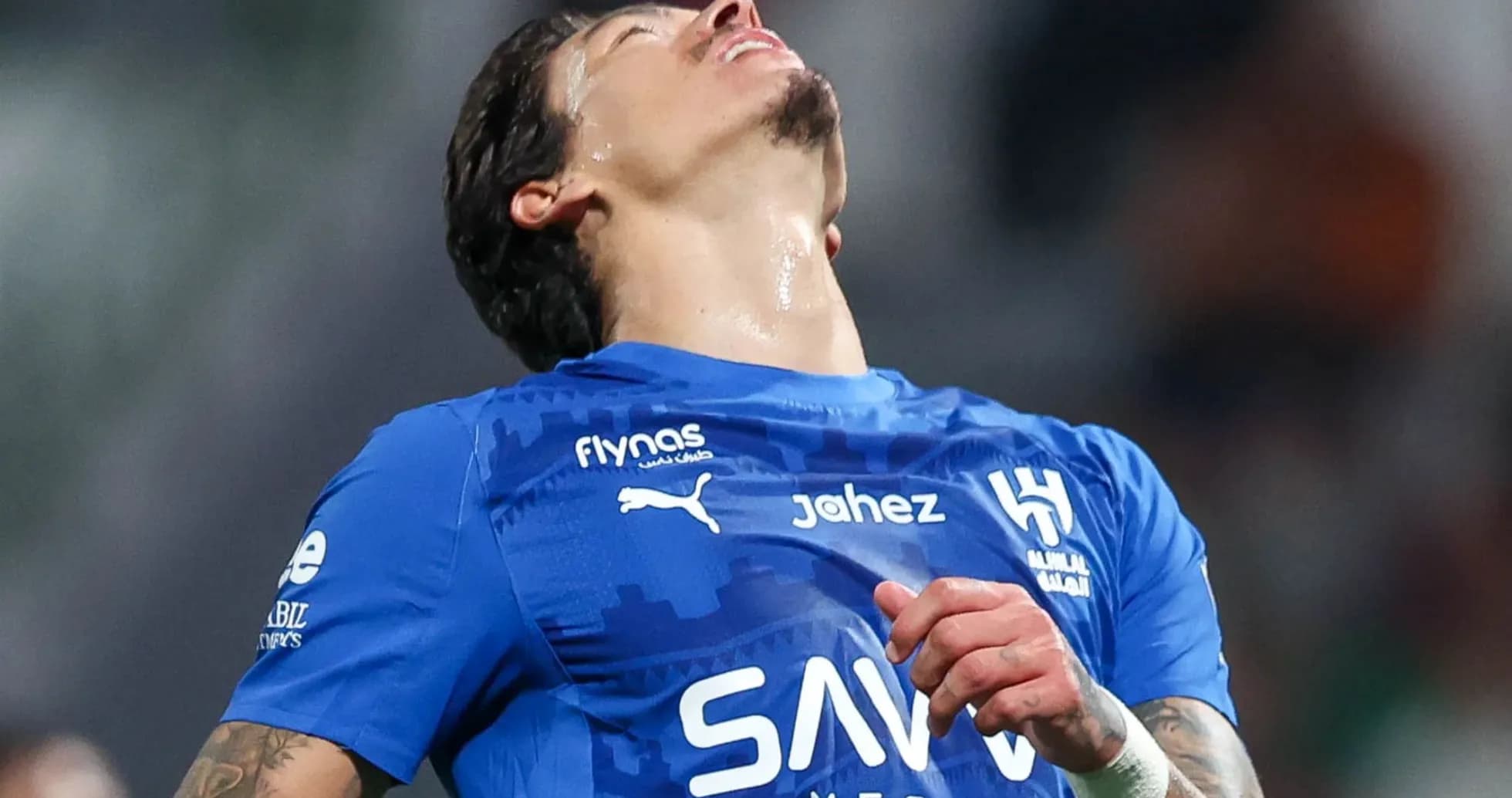
Darwin Núñez's Al Hilal Journey: A Rapid Decline
Darwin Núñez’s Saudi adventure is over almost before it began, and the ending is as brutal as it is revealing.
Last summer, Al Hilal paid €53 million to prise him away from Liverpool, a club that once believed in him enough to commit to a package that could have climbed to £85m when he arrived from Benfica four years ago. Now he is walking away for nothing. A free transfer. From big-money centrepiece to expendable asset in less than a year.
And there is already talk of a Premier League return. Newcastle United and Chelsea are watching, sensing opportunity in the wreckage. The question hangs over it all: how did it unravel this quickly in Riyadh?
Squeezed out by the numbers – and by Benzema
The turning point came in the winter window, and it had very little to do with sentiment.
Al Hilal moved for Karim Benzema, a seismic signing even by Saudi standards. The moment the Frenchman arrived, the arithmetic changed. The Saudi Pro League’s foreign-player rule is unforgiving: each squad is capped at 10 overseas players, with a maximum of eight over the age of 20 and two under-20s. Someone had to go.
Núñez was that someone.
His registration for league play was withdrawn to make room. No injury. No scandal. Just a cold, structural decision. In a league built on marquee imports, he suddenly became surplus.
The numbers didn’t help his case. Before being cut, Núñez had produced nine goals and five assists in 22 appearances. Respectable, but not transformative. Benzema landed in early February and immediately matched that output – nine goals, five assists – in 10 fewer games. Where Núñez had hinted, Benzema delivered. The pressure finally told, and the hierarchy made their call.
For a player once framed as a long-term project at Liverpool, the margin for error in Saudi Arabia proved far thinner.
A World Cup year at exactly the wrong time
The timing could hardly be worse for Núñez.
At 26, he should be hitting his prime, sharpening his game in the decisive months before a World Cup. Instead, he has not played a competitive club match since February 16. For a forward whose rhythm depends on minutes, on repetition, that gap is glaring.
His last meaningful club contribution came in the AFC Champions League group stage. Still eligible then, he struck twice in the final group game, a reminder of the threat he can carry when trusted and in form. It didn’t save him. By the time Al Hilal reached the round of 16 in April, he was out of the squad entirely as the club moved on without him.
That absence bleeds into the international picture. With Uruguay building towards the summer, every game, every training session matters. Núñez’s lack of club action has cast a shadow over his status in the national team.
He did at least reappear in March, coming off the bench as a late substitute in friendlies against England and Algeria. Those minutes may prove crucial. They should be enough to keep him in the World Cup squad, but they do not disguise the reality: a striker once earmarked as a leading man is now fighting simply to stay in the cast.
What next for a striker at a crossroads?
So Núñez leaves Al Hilal on a free, a rare case of a big-fee import being written off inside a season.
For the Saudi club, it is a clear statement: star power and instant impact trump long-term investment. For Núñez, it is a harsh reset. He remains in his mid-20s, with a record that still includes goals in Portugal, England and Asia, but the perception has shifted. Any club that moves for him now will do so knowing he has just been squeezed out by a stricter foreign-player quota and a sharper finisher.
Newcastle and Chelsea, both in need of goals and energy in attack, are monitoring the situation. A return to the Premier League could offer redemption, rhythm, and the visibility he needs in a World Cup year.
The next move will define him: was Saudi Arabia a detour, or the moment his career lost its way?
Related News

Raphinha’s Hat-Trick Powers Barcelona to 7-2 Victory Over Racing Santander
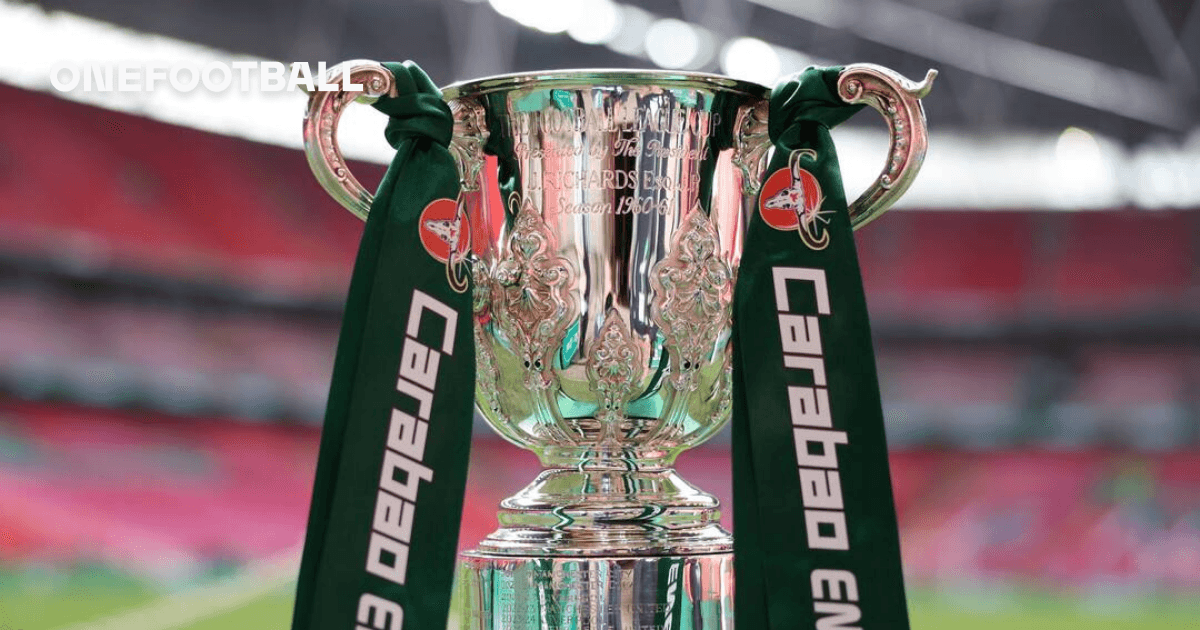
Carabao Cup Fourth Round Draw: Liverpool Set to Clash with Chelsea, Arsenal to Face Fleetwood Town
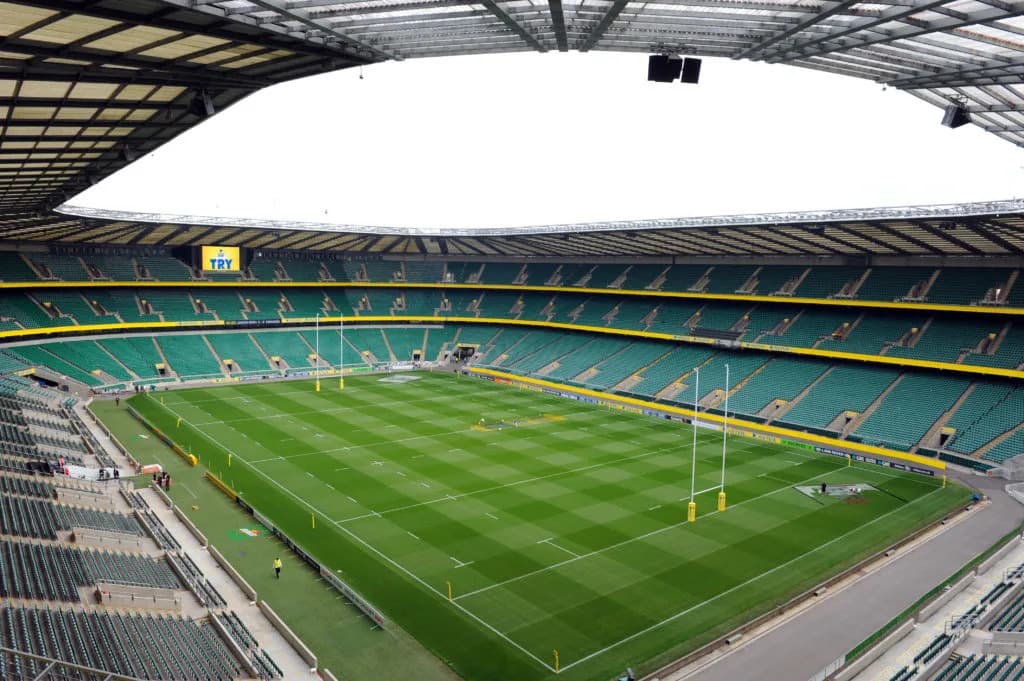
Key Football Matches to Watch in Azerbaijan This Autumn
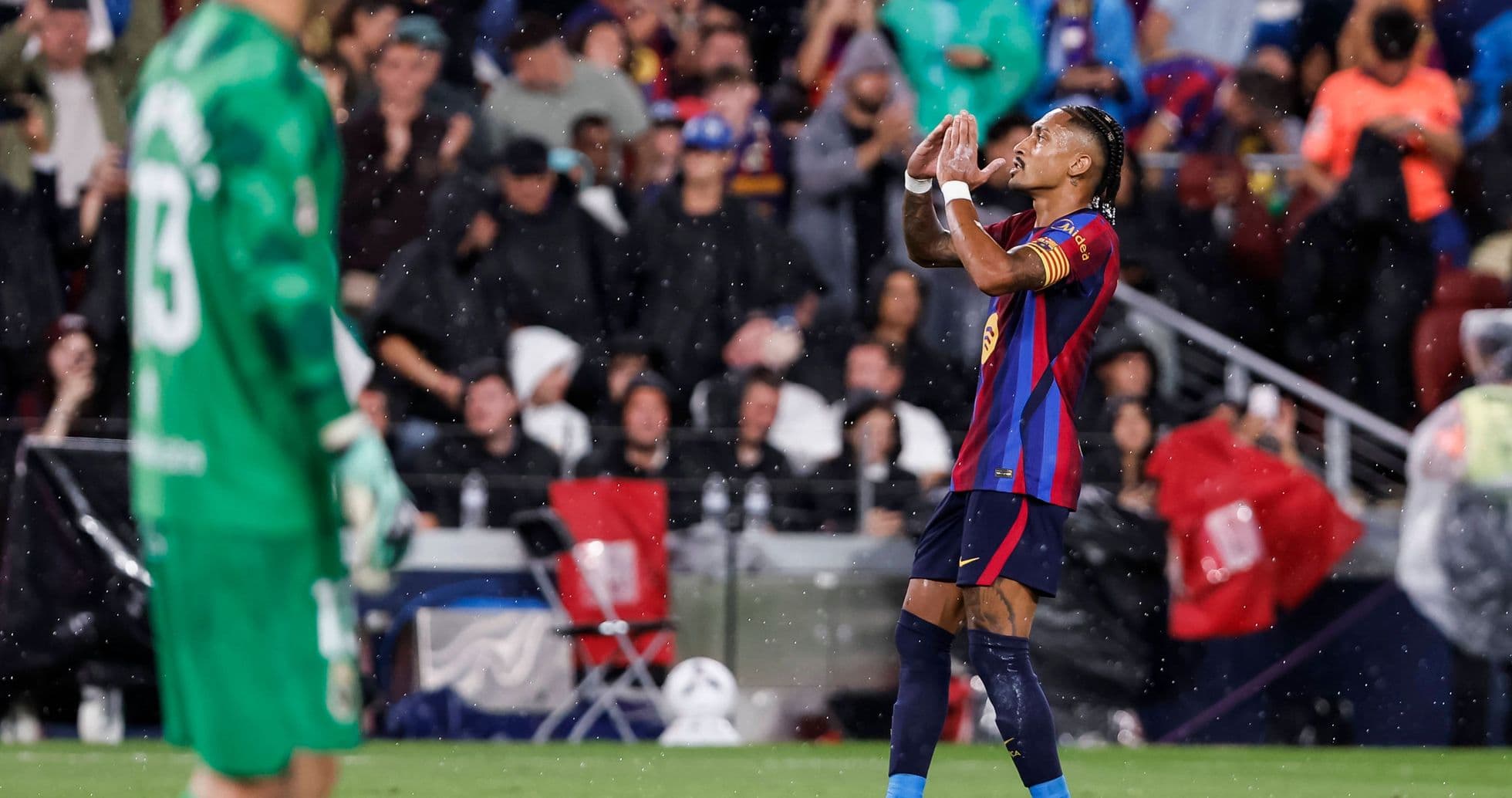
Raphinha's Hat-Trick Drives Barcelona to 7-2 Triumph Over Racing Santander
Hansi Flick Leads Barcelona to Record-Breaking Seven Wins in a Row

Gavi Reflects on Injury Return as Barcelona Dominate Racing Santander 7-2