
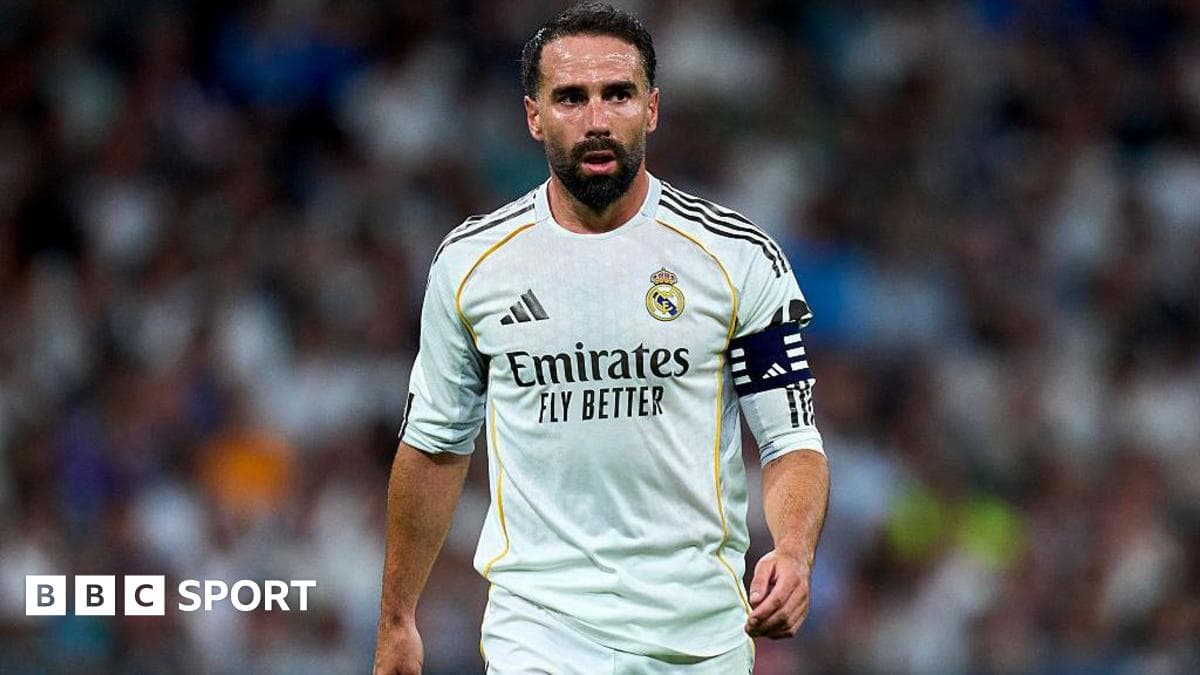
Dani Carvajal Leaves Real Madrid After 23 Years
Dani Carvajal will walk away from the Santiago Bernabeu at the end of the season, closing a Real Madrid chapter that has stretched across 23 years and defined an era from the shadows of the right flank.
The 34-year-old captain, out of contract when June ends, leaves with 450 appearances, 14 goals and a medal collection that belongs in a museum: 27 trophies, six Champions Leagues, four La Liga titles, two Copas del Rey, six Club World Cups, five Uefa Super Cups and four Spanish Super Cups. Numbers that don’t just speak; they roar.
“Dani Carvajal is a legend and a symbol of Real Madrid and its academy,” said club president Florentino Perez. “This is and will always be his home.” For once, the presidential hyperbole feels almost restrained.
From academy kid to serial winner
Carvajal walked into the club’s academy in 2002 as a Madrid-born teenager chasing a dream. He leaves as the only player ever to start – and win – six Champions League finals, one of just five players to lift the trophy six times.
His route to the first team was not straight. A season at Bayer Leverkusen in 2012-13 forced Madrid’s hand; his performances in Germany triggered the buy-back clause and, in 2013, the right-back returned to the Bernabeu not as a prospect, but as a solution.
From that moment, he barely looked back. Under Carlo Ancelotti and Zinedine Zidane he became a structural pillar. He hugged the touchline to stretch defences, stepped inside to help the midfield breathe, and snapped into tackles with the kind of aggression that set the tone for those around him. Madrid’s transitions, so often devastating, ran through his flank.
At his peak, Carvajal was routinely bracketed among the most complete right-backs in world football. Not for showreel tricks or viral moments, but for a rare balance: defensive bite, positional intelligence, and the calm to pick the right pass in the chaos of elite matches.
The Champions League stage
If Real Madrid’s modern identity is bound to the Champions League, Carvajal’s fingerprints are all over it.
He thrived when the lights were harshest. The 2024 final against Borussia Dortmund, where he scored the opener and walked away with the man-of-the-match award, crystallised a career built on delivering when it mattered most. On a night dominated by bigger attacking names, it was the right-back who broke the deadlock and tilted the trophy Madrid’s way yet again.
Those European nights helped secure his place in the game’s elite. He was named in the FIFPro 2024 World XI, selected in The Best Fifa Men’s World XI, and crowned best player in that 2024 final. For a defender who rarely chased the spotlight, the recognition felt like overdue confirmation.
Leader in a changing room of giants
Carvajal’s influence stretched far beyond the chalk of the touchline.
As Sergio Ramos, Karim Benzema, Toni Kroos and Luka Modric began to depart or wind down, the dressing room needed new voices. Carvajal stepped up. The academy kid became captain, the constant presence in a squad that kept evolving around him.
His mentality mattered most when the trophies stopped coming. The last two seasons brought managerial instability and, for Madrid, the unfamiliar sensation of finishing empty-handed. In that turbulence, Carvajal’s standards did not shift. Inside the club, his response to those lean years only deepened the respect he commanded.
Spain felt that influence too. Since his debut in 2014, he has collected 51 caps, anchoring the right side of the national team’s defence. He helped Spain win the Nations League in 2023 and then the 2024 European Championship, extending his habit of standing at the heart of winning teams.
Injuries, transition and the end of an era
Time, and the game’s demands, eventually caught up.
The last few seasons have been scarred by serious injuries. A cruciate ligament tear in October 2024, then another major knee problem a year later, stripped away rhythm and minutes. This season he has managed just 892 minutes in La Liga.
Madrid felt his absence every time. Without him, the right flank often looked exposed, the back line less sure of itself. That vulnerability underlined how hard he has been to replace – and why the club eventually had to act.
The arrival of Trent Alexander-Arnold from Liverpool last summer signalled the start of a new cycle. Under Alvaro Arbeloa, the England international has become the preferred right-back, nudging Carvajal towards the exit even as the captain’s aura still hung over the position.
The shift has been clear, but so has the affection. Every time Carvajal has stepped onto the pitch this season, the Bernabeu has responded with the ovation reserved for its own. The relationship between player and crowd, built over two decades, has not dimmed with fewer minutes.
A farewell under the lights
Real Madrid will close another trophyless campaign – their second in succession – at home to Athletic Club on Saturday, 23 May, and the night will belong to Carvajal. The club will pay formal tribute; the stands will provide the soundtrack.
There will be no doubt about the verdict. He leaves as one of the greatest right-backs in Real Madrid’s history, a player who helped define one of the club’s most successful eras without ever needing to be the face on the billboard.
The Bernabeu has seen legends come and go. It knows what it is losing. The real question now is simple: in a position he has owned for more than a decade, how long will it take before anyone truly feels like his successor?
Related News
Raphinha’s Hat-Trick Powers Barcelona to 7-2 Victory Over Racing Santander
Carabao Cup Fourth Round Draw: Liverpool Set to Clash with Chelsea, Arsenal to Face Fleetwood Town
Key Football Matches to Watch in Azerbaijan This Autumn
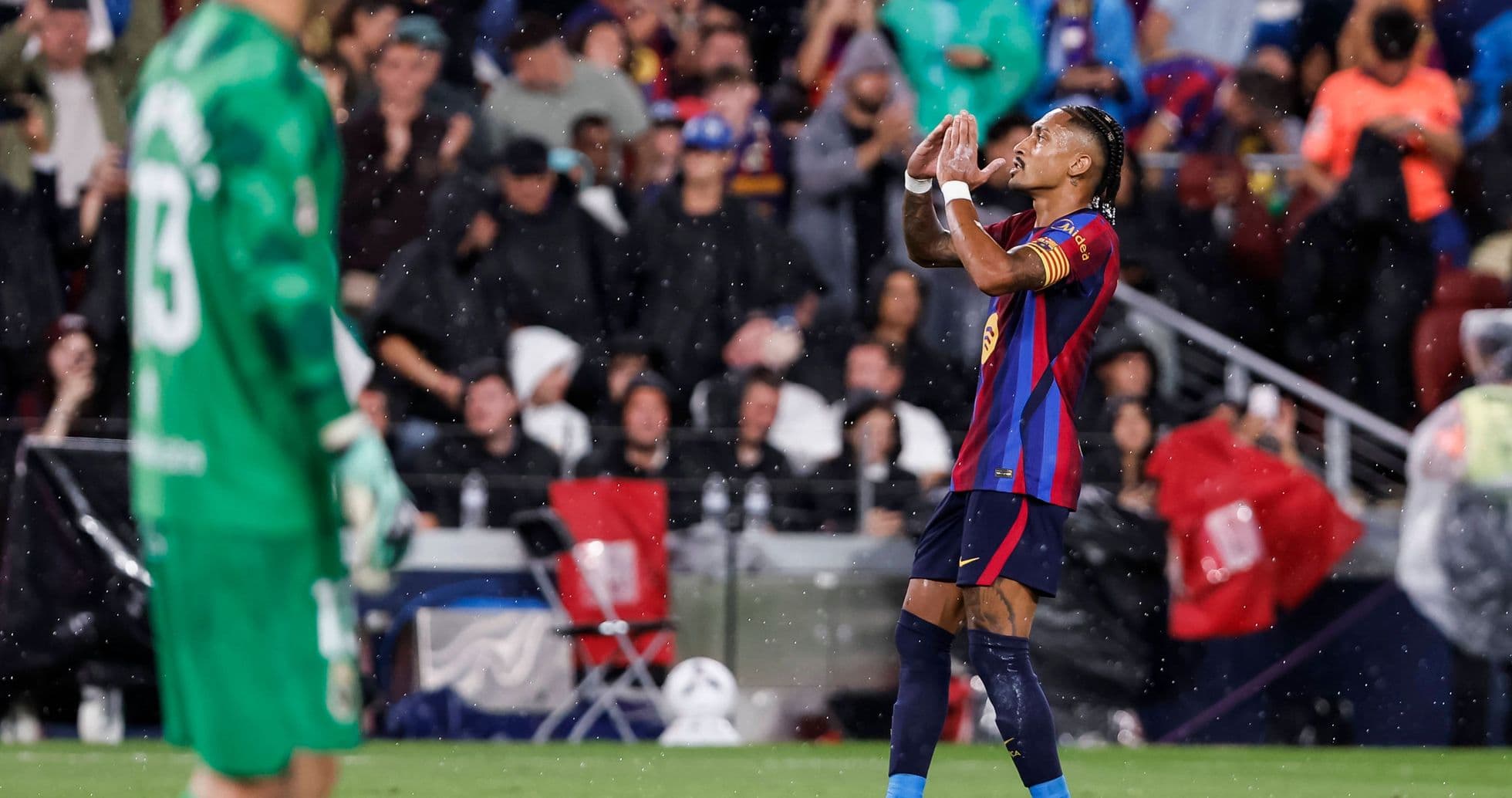
Raphinha's Hat-Trick Drives Barcelona to 7-2 Triumph Over Racing Santander
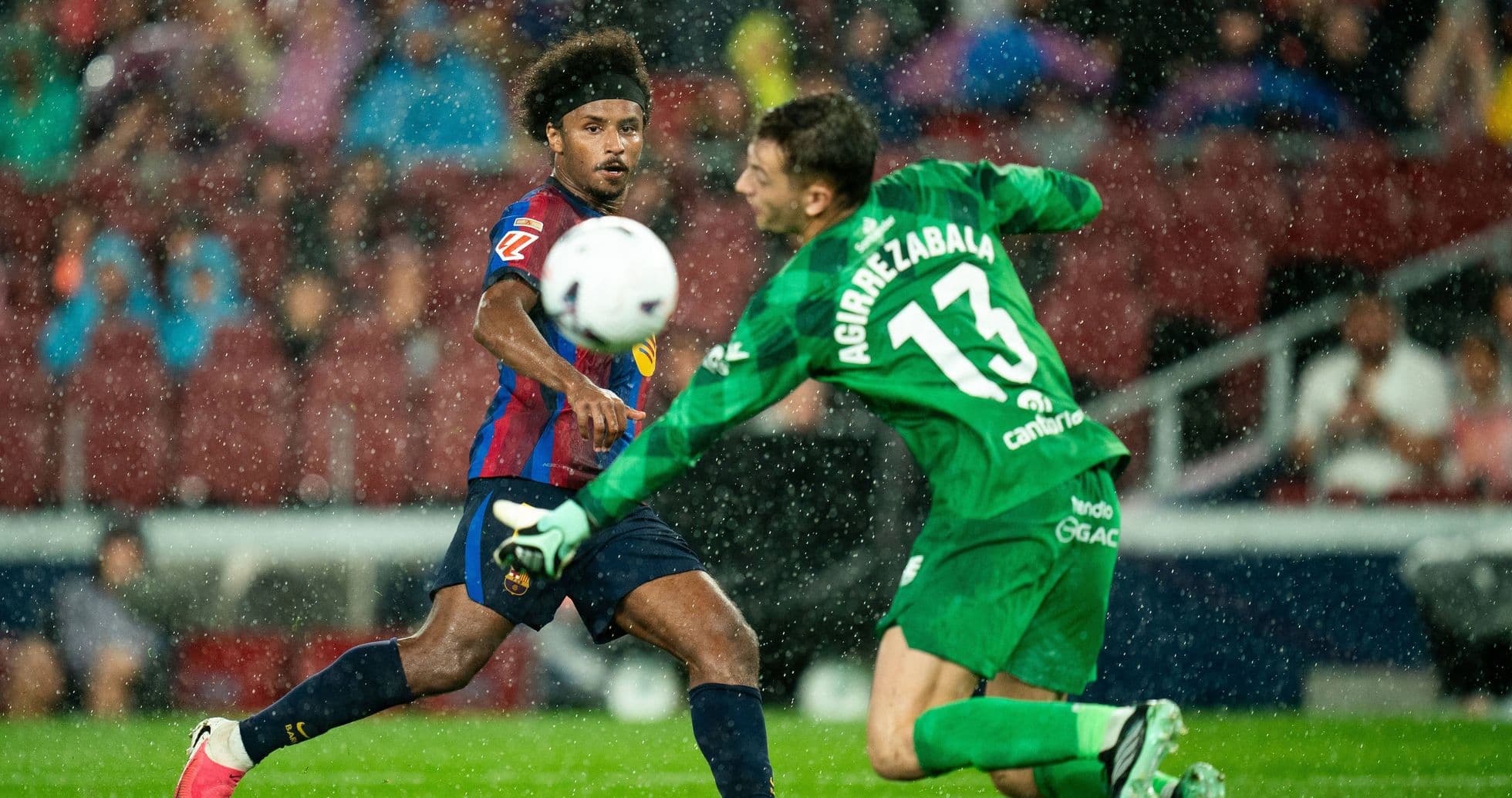
Hansi Flick Leads Barcelona to Record-Breaking Seven Wins in a Row
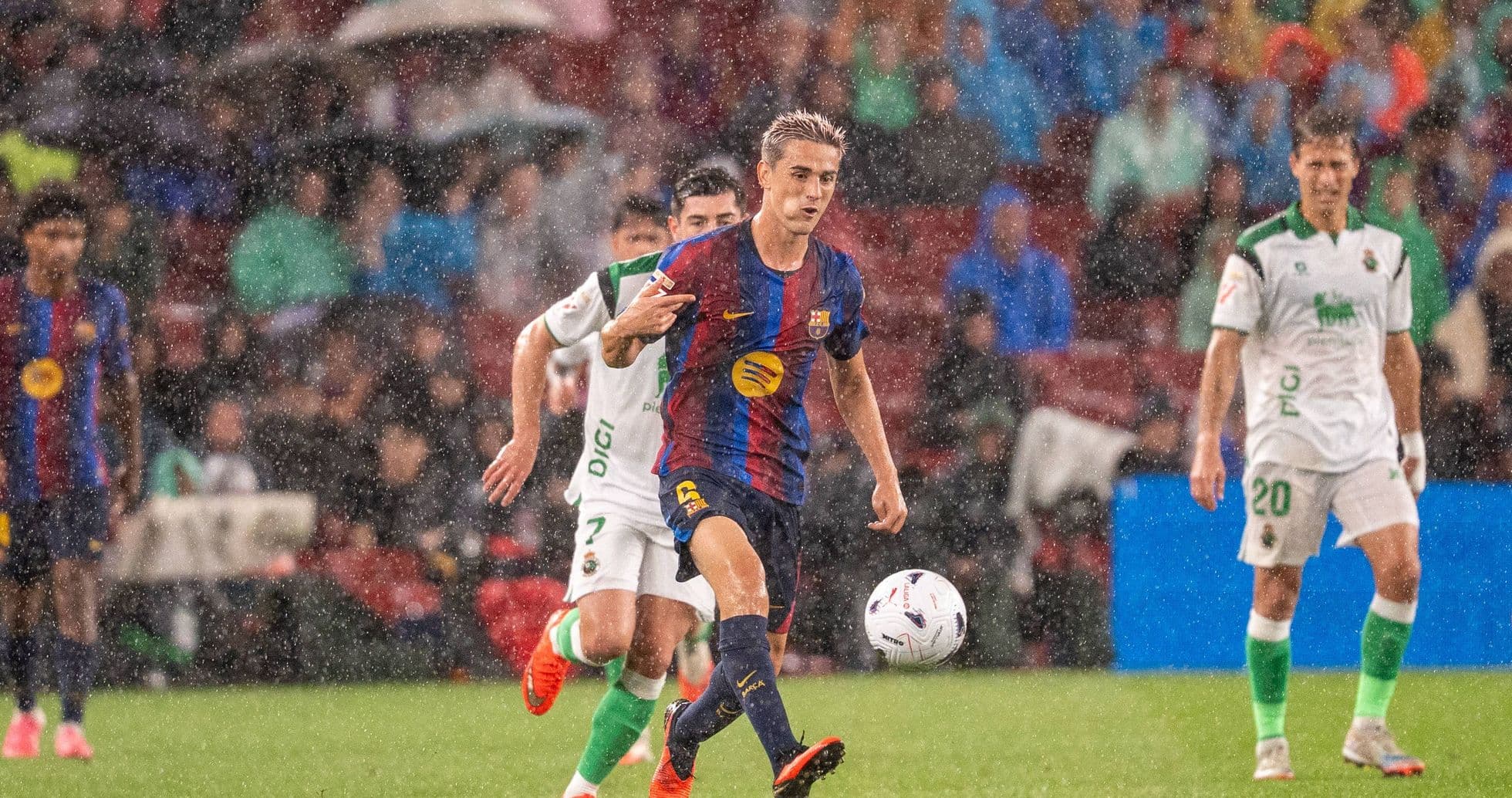
Gavi Reflects on Injury Return as Barcelona Dominate Racing Santander 7-2