
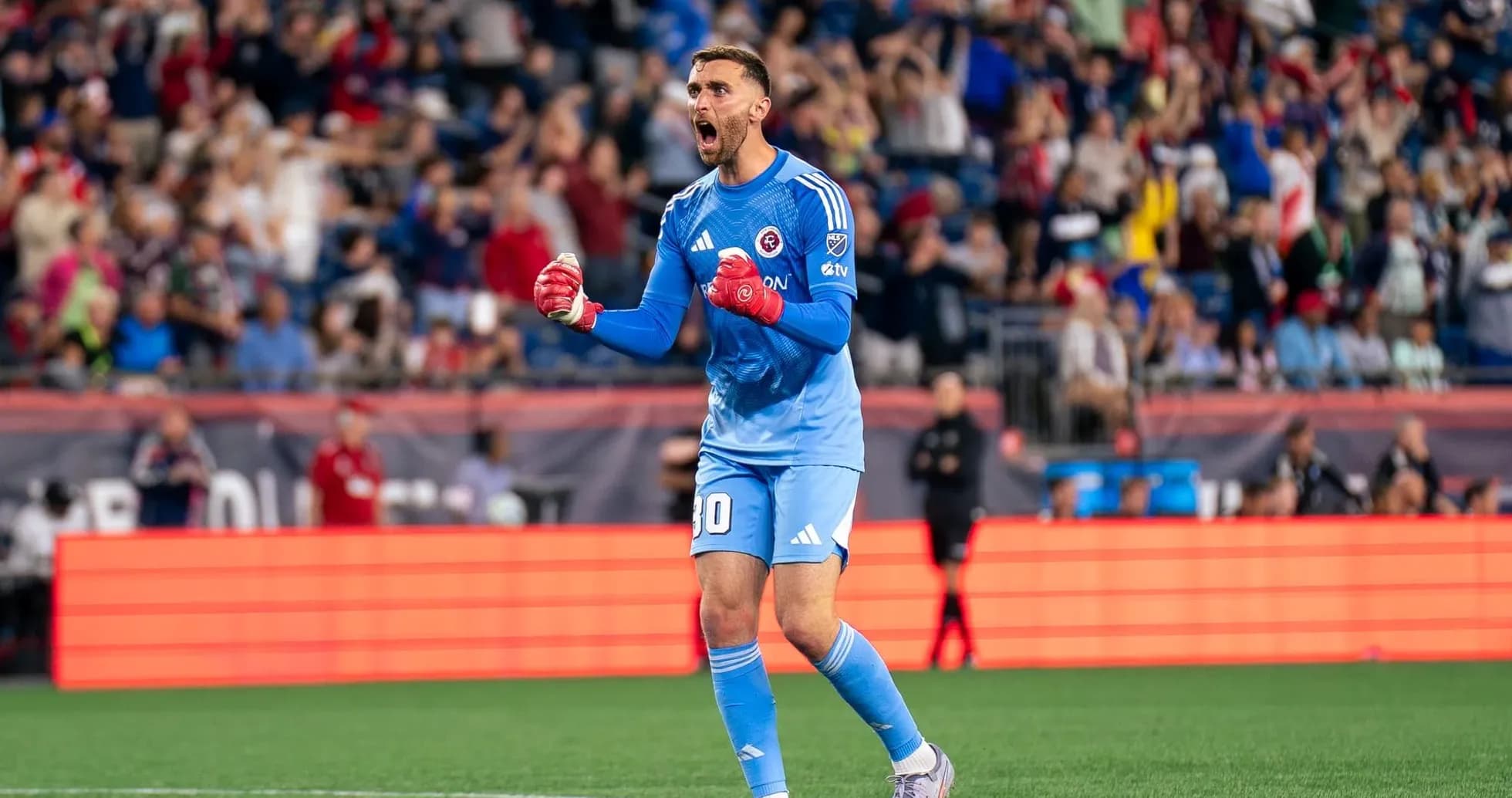
Connecticut FC Edges New England II in Tense Penalty Shootout
Under the lights at Morrone Stadium, Connecticut FC and New England II played out 120 minutes of stalemate before the home side finally edged a 6–5 penalty shootout in this MLS Next Pro Group Stage clash. Following this result, the contrast between their seasonal profiles and the way this game unfolded could not be sharper: a free‑scoring but fragile Connecticut side, and a more balanced, home‑dominant New England II, locked into a contest where neither could find a goal from open play.
I. The Big Picture – Styles Colliding in a Scoreless Epic
Heading into this game, Connecticut FC sat 6th in the Northeast Division and 12th in the Eastern Conference, with 8 points from 8 matches and a goal difference of -5, built on 10 goals for and 15 against overall. Their season has been volatile: 3 wins, 0 draws, 5 defeats, with a form line of WLLLL. The numbers underline a side that leans into chaos: overall they averaged 1.4 goals scored and 1.9 conceded per match, with a particularly leaky away record but still conceding 1.7 at home.
New England II arrived as the slightly steadier operation: 5th in the Northeast Division and 9th in the Eastern Conference, 11 points from 7 games and a goal difference of 1 (7 scored, 6 conceded overall). They had won 4 and lost 3, with no draws, and a form line of LLLWW heading into the tie. At home they had been strong, with 4 wins from 5, scoring 1.6 and conceding just 0.8 per game; away, though, they had lost both matches, scoring 0.5 and conceding 1.5 on their travels.
That context makes the 0–0 over 120 minutes fascinating. The statistical DNA suggested Connecticut’s home matches would be open and error‑strewn, while New England II’s away fragility might offer chances. Instead, both back lines held, and the story became one of structure, discipline, and eventually nerve from the spot.
II. Tactical Voids and Discipline – Where the Edges Were Blunted
There were no listed absentees, so both coaches essentially had full decks. Richie Williams sent out New England II with D. Parisian between the posts and a spine built around C. Mbai Assem and S. Mimy at the back, with G. Dahlin and J. Mussenden offering legs and bite. Higher up, C. Zambrano, M. Wells, J. Da and M. Morgan formed a fluid attacking unit, supported by A. Oyirwoth’s work rate.
Connecticut FC, without a named coach in the data but clearly with a defined group, leaned on G. Rankenburg in goal and a defensive line anchored by R. Perdomo, L. Kamrath, J. Stephenson and J. Medranda. In front of them, S. Sserwadda, E. Gomez and R. Mora-Arias were tasked with knitting play through midfield, feeding a front trio of A. Monis, Caua Paixao and L. Goddard.
Season-long card data explains a lot about how the night likely felt. Connecticut FC have a pronounced late‑game edge in aggression: 29.17% of their yellow cards come in the 76–90 minute window, and they have seen a red card exclusively in that same 76–90 band (100.00% of their reds). New England II, by contrast, spread their cautions more across the second half, with 26.32% of yellows between 46–60 minutes and 21.05% in each of the 61–75 and 76–90 bands.
In a knockout‑style environment with extra time and penalties, that discipline profile matters. Connecticut’s tendency to boil late could easily have cost them; the fact they navigated 120 minutes without conceding and then held their nerve from the spot suggests a rare night of composure in the decisive phases.
III. Key Matchups – Hunter vs Shield, and the Engine Room
The “Hunter vs Shield” narrative coming in was clear. Connecticut FC, at home, had not been prolific but were efficient enough: 1.0 goal per game at home, within an overall attacking profile of 11 goals in total (3 at home, 8 away). Their biggest home win, 1–0, hinted at a side that could grind when necessary, while their heaviest home loss, 1–3, showed the risk of overcommitting.
New England II’s shield, especially in home games, had been impressive, but away they were more vulnerable, conceding 1.5 goals per game on their travels. Yet overall they still only allowed 1.0 per match. Parisian, fronted by Mbai Assem and Mimy, formed a unit that, on this night, simply refused to be stretched by Connecticut’s movement.
For Connecticut, the “Engine Room” revolved around S. Sserwadda as a tempo‑setter, with E. Gomez and R. Mora-Arias offering vertical runs and width. Their job was to disrupt New England II’s rhythm, especially the passing lanes into J. Da and M. Wells. On the other side, Dahlin and Mussenden were asked to be both destroyers and launchpads, breaking up Connecticut’s counters and quickly transitioning to Zambrano and Morgan.
Over 120 minutes, the midfield battle seems to have settled into a stalemate: neither side’s creators found the decisive pass, and both defensive blocks held their lines, forcing the contest into a psychological duel from 12 yards.
IV. Statistical Prognosis – What This Result Says About Both Sides
Following this result, the numbers around both teams gain new texture. Connecticut FC, a side that had kept just 1 clean sheet in total heading into the game, produced a shutout over 120 minutes against a team that averaged 1.3 goals per match overall. That hints at a defensive recalibration at home, where they had previously conceded 1.7 per game.
New England II, for their part, extended an awkward away narrative: on their travels they had scored just 1 goal in 2 league games and conceded 2; here, they again failed to find the net. Their overall defensive solidity (7 goals conceded in 7 matches) held up, but the attacking return remains a concern away from home.
With no penalty attempts for either side in league play so far (both listed at 0 total penalties, 0% conversion and 0% missed), the shootout at Morrone Stadium unfolded in relatively uncharted territory. Connecticut’s 6–5 edge suggests a marginal psychological advantage in high‑pressure moments, something that could become a defining trait if they continue to live on the knife‑edge of narrow scorelines.
In tactical terms, this was a night where both back lines won their battles and the expected attacking volatility was suppressed. For Connecticut FC, the challenge now is to graft this newfound defensive resilience onto a season defined by goals at both ends. For New England II, the task is to translate their controlled home identity into a more assertive attacking posture on their travels—because in knockout‑style games like this one, being merely solid is not always enough when the margins shrink to a single kick from the spot.
Related News

MLS Winners and Losers: Rising USMNT Star Cavan Sullivan, St. Louis City's Smart Moves, and Chicago Fire's Struggles Without Hugo Cuypers

MLS Highlights: Portland Timbers End Drought, Josh Sargent Shines, Cavan Sullivan Impresses
Tacoma Defiance vs Colorado Rapids II Stats: Head-to-Head Record

St. Louis City II vs Vancouver Whitecaps II: Head-to-Head Stats and Match Preview
Atlanta United II vs New York City II Stats: Head-to-Head Record
Houston Dynamo FC II vs Austin II Stats: Head-to-head Record