

Chelsea's Identity Crisis: A Season in Limbo
Ruud Gullit has seen this film before. Only this time, it is the club he once lit up as player-manager that looks trapped in a loop of its own making.
From afar, the Dutch great is watching a Chelsea side that just a year ago were parading the UEFA Europa Conference League and FIFA Club World Cup, and punching their ticket back into the Champions League. Twelve months on, they are ninth in the Premier League, staring at the prospect of a season without European football and wrestling with an identity they cannot quite define.
The fall has been swift. The confusion feels self‑inflicted.
Big spending, blurred vision
Chelsea’s owners have not been shy with the chequebook. The outlay has remained enormous, the ambition loudly declared. The strategy, less so.
Potential has been prized over pedigree. Talented youngsters have flooded through the door, but the spine that once gave Chelsea their edge – the grizzled, title-hardened core – has not been replaced with anything like the same authority.
Inconsistency has become the only constant at Stamford Bridge. Enzo Maresca came and went. Liam Rosenior followed and departed. Now Calum McFarlane, thrust into the role on a caretaker basis, is trying to steady a listing ship while steering it towards Wembley.
To his credit, he has at least put Chelsea back within touching distance of silverware. The FA Cup final awaits.
Wembley or bust
On May 16, under the arch at Wembley Stadium, Chelsea face Manchester City with more than a trophy on the line. Win, and the FA Cup returns to west London along with a place in next season’s Europa League. Lose, and the season’s narrative hardens: a club with money but no map.
An FA Cup win would not solve everything. It would, though, change the temperature. It would buy time, soothe some of the anger, give this young squad a tangible reward and the club a European platform. It would also offer the next head coach something more enticing than a year of domestic slog and Thursday-night emptiness.
Because once the confetti settles, Chelsea still need to make a decision that could define the next era: who takes this job on a permanent basis?
Names have already been floated. Cesc Fabregas. Xabi Alonso. Andoni Iraola. Marco Silva. Each brings a distinct footballing vision, each with a rising reputation. Yet the question nags: is Chelsea still a destination for the elite, or a high-risk stopover for the brave?
Gullit’s warning
Gullit, who guided Chelsea to FA Cup glory in 1997 as player-manager, does not dodge the issue. Asked directly whether the club is becoming an unappealing proposition for top coaches, he does not sugar-coat his answer.
“Yes, because any manager would see what I see and say: ‘I need experienced players. I need a Casemiro, a [Aurelien] Tchouameni. I need these types of players in midfield. I need this kind of experience alongside the young talent’. And if you don't have them, it's going to be a problem.”
This is the crux of his critique. Not the idea of building around youth – that has always appealed to modern coaches – but the absence of ballast around it. Chelsea have assembled a squad brimming with potential, but short on the kind of leaders who drag a team through bad days and bad runs.
Gullit goes further, laying bare the reputation the Chelsea job now carries.
“The only thing that is certain for a Chelsea manager is that he gets fired. That's the only certainty. And as a coach you have to learn to adapt to the club's philosophy. Does it match yours? And do you get the players you need to do what you want to do?”
That last question hangs heavy. Because the very best managers, he points out, do not sign up to projects where they are told to simply “make do”.
“Pep Guardiola got all the players he wanted. That's why he's been successful. But if you told Pep, ‘Deal with what we give you’, he wouldn't come. Mourinho wouldn't come. Klopp wouldn't come. [Carlo] Ancelotti wouldn't come. These are people who know exactly what the right formula is.”
The implication is clear: if Chelsea want a coach of that calibre, they must offer more than a revolving door and a spreadsheet.
A hot seat, cooling prospects
On the pitch, Chelsea at least found a minor reprieve in their last Premier League outing, snapping a six-game losing streak with a 1-1 draw against Liverpool. It was a result that stopped the bleeding rather than healed the wound, but it keeps faint hopes alive.
Two league fixtures remain after the FA Cup final. Tottenham, fighting to avoid relegation, visit Stamford Bridge. Then comes a final-day trip to Sunderland. In theory, Chelsea can still scramble their way into the top seven and salvage a European place via the league table. In reality, the odds are long and the margin for error is almost non-existent.
That tightrope extends into the summer. Whoever accepts the permanent role will walk into a club where patience is thin, expectations remain sky-high and the history of the last decade tells every coach the same thing: you will be judged quickly, and you will probably be judged harshly.
Recruitment becomes harder in that climate. Without guaranteed European football, without the aura of recent title challenges, the pitch to elite players and elite coaches changes. Chelsea remain a giant, but a giant in transition, and the project now needs clarity as much as it needs cash.
The FA Cup final offers a chance to change the mood and the message. Win, and Chelsea can at least tell the football world that, for all the turbulence, they are still capable of big moments and big nights.
Lose, and the next manager will not just be inheriting a talented, raw squad and a demanding fanbase. He will be stepping into a job that even Ruud Gullit, a man who once made this club his stage, now views with a wary eye.
Related News

Raphinha’s Hat-Trick Powers Barcelona to 7-2 Victory Over Racing Santander
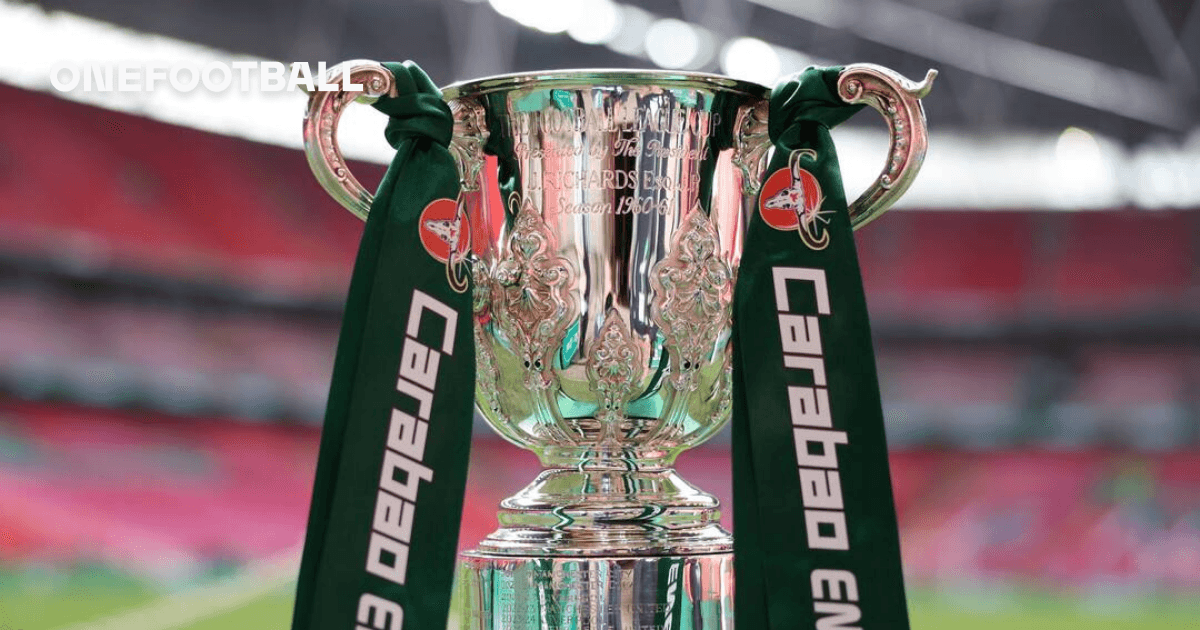
Carabao Cup Fourth Round Draw: Liverpool Set to Clash with Chelsea, Arsenal to Face Fleetwood Town
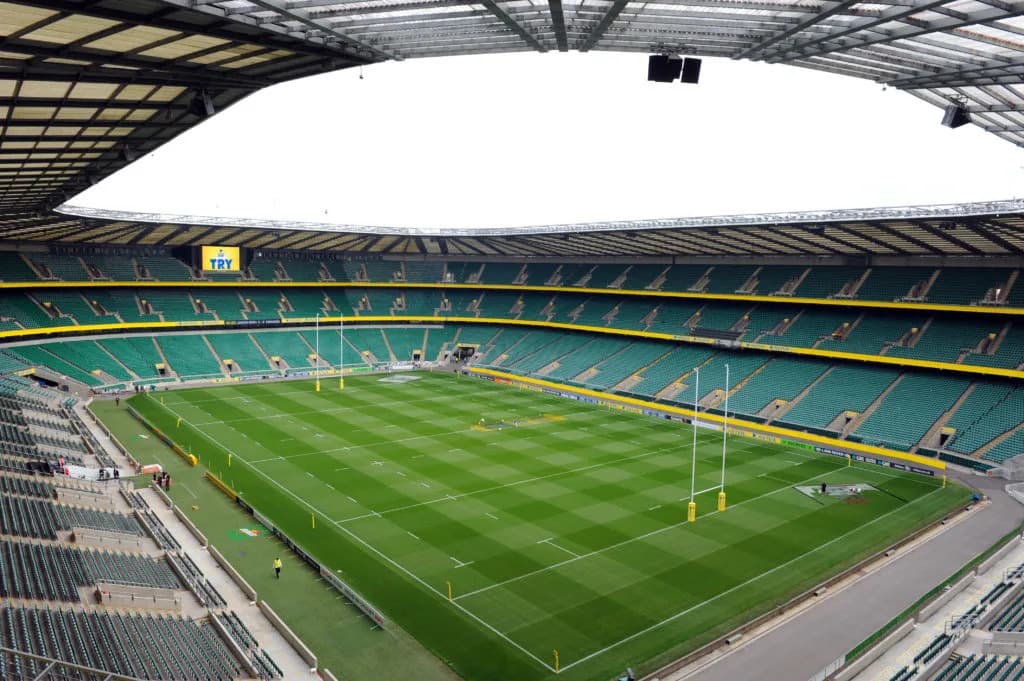
Key Football Matches to Watch in Azerbaijan This Autumn
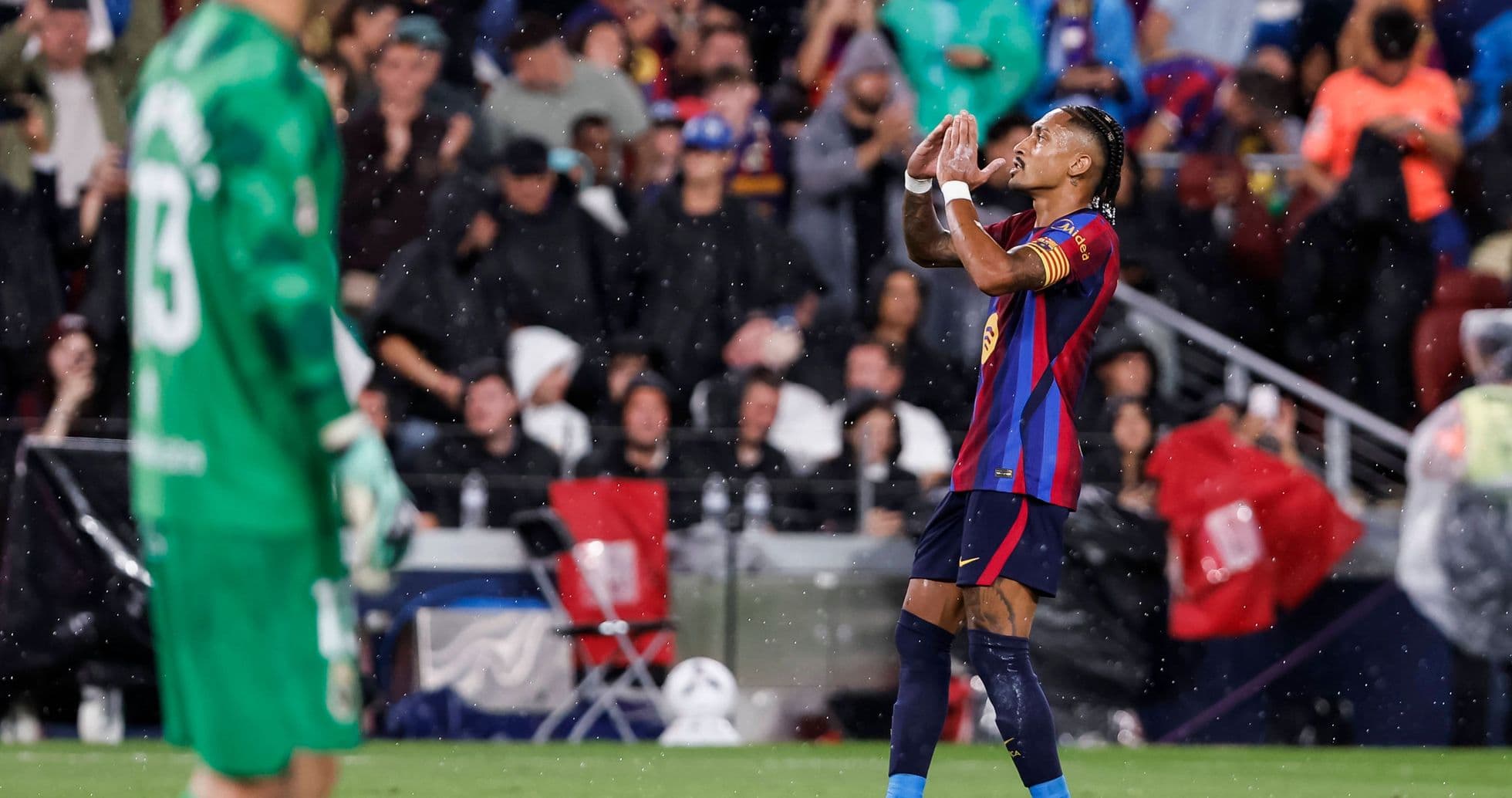
Raphinha's Hat-Trick Drives Barcelona to 7-2 Triumph Over Racing Santander
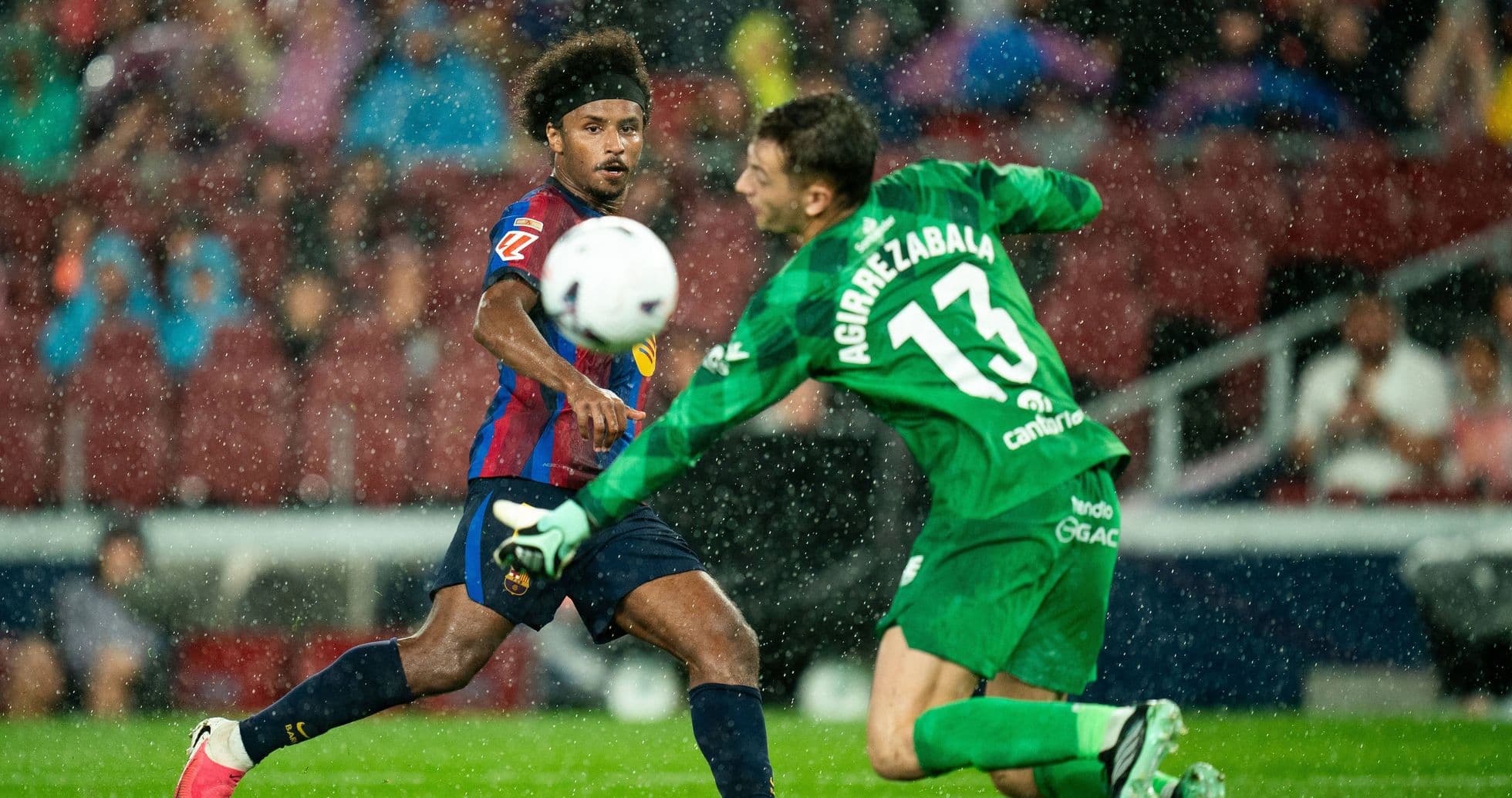
Hansi Flick Leads Barcelona to Record-Breaking Seven Wins in a Row

Gavi Reflects on Injury Return as Barcelona Dominate Racing Santander 7-2