
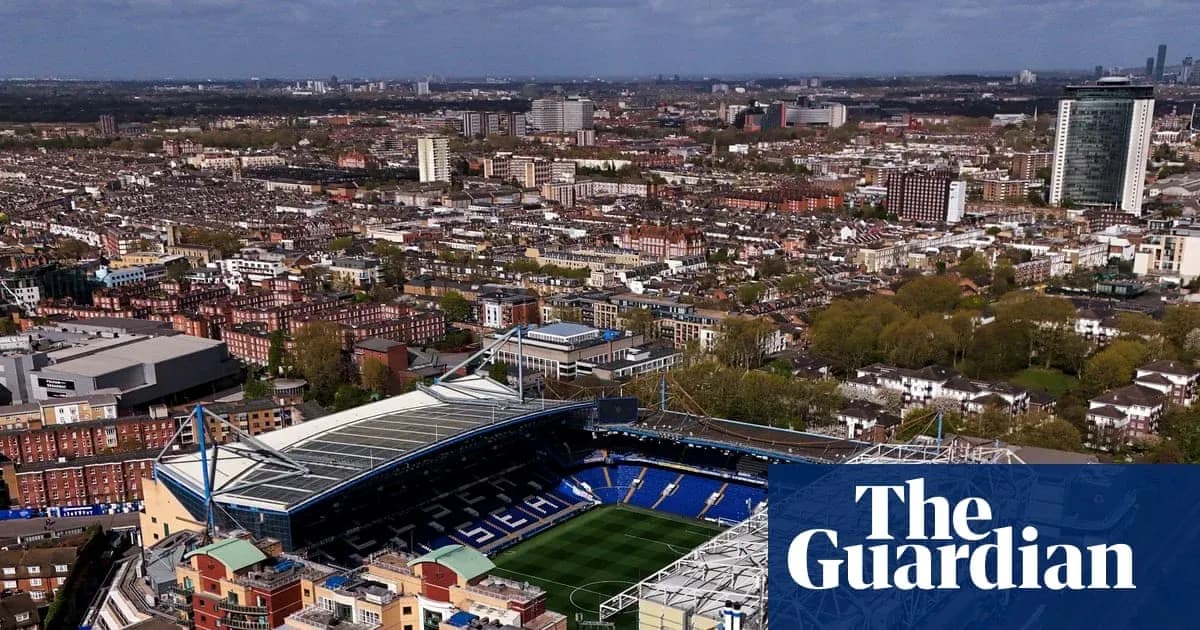
Chelsea Faces £10m FA Fine and Transfer Ban Over Abramovich Deals
Chelsea’s Roman Abramovich years, long sold as the golden age of easy money and endless trophies, are still sending shockwaves through English football. The latest aftershock landed on Friday: a £10m fine from the FA and a suspended transfer ban, punishment for years of rule-breaking in the transfer market.
It is a landmark case – and a damning one.
A second hammer blow, but no points lost
The FA sanction mirrors the punishment handed down by the Premier League earlier this year, when Chelsea were found to have used unlicensed agents and obscured the true nature of transfer payments between 2009 and 2022. Deals involving Samuel Eto’o, Eden Hazard and Willian were all caught in the net.
An independent commission originally went much harder. It proposed a suspended six-point deduction, working down from an initial 15-point starting point. That would have placed a very real threat over Chelsea’s league campaigns. The club appealed – and won. The sporting penalty vanished, replaced by a suspended two-window ban on registering new players and a straight financial hit.
Chelsea will pay £10m. They will keep their points. For now, they will also keep their ability to trade.
“Shameful and arrogant” – the commission’s verdict
If the final sanction looks lenient on the league table, the language in the FA’s written reasons is anything but. The commission tore into the Abramovich-era regime, accusing it of “a shameful and arrogant disregard for the rules of the game … which has done so much to bring the game of football in general, and the name of CFC into disrepute”.
These were not technicalities, in the commission’s view. They were deliberate, systemic choices that warped the market and undermined the regulatory framework meant to keep clubs in line.
The case revolved around tens of millions of pounds in secret payments routed through offshore companies owned by Abramovich. Those transactions were first dragged into the light by Cyprus Confidential, an investigation led by the Guardian and international media partners, using leaked data from Cypriot financial services firms that helped manage the Russian oligarch’s fortune.
Among the revelations: apparent off-book payments to Hazard’s agent and to an associate of Antonio Conte, the manager who delivered the 2016–17 Premier League title.
A glimpse inside Chelsea’s transfer machine
The FA’s documents offer a rare, unvarnished look at how Chelsea operated at the height of the Abramovich era. One episode stands out: the 2013 signing of Willian.
The Brazilian forward had seemed destined for Tottenham. Chelsea swooped at the last minute. According to the documents, an unnamed senior figure at the club believed losing Willian would be “not good” – and losing him to Spurs would be “adding insult to injury”.
The FA seized on that mindset. In its argument, it said the individual may have “loved the power associated with having a bottomless pocket when it came to acquiring players of great quality and/or with great potential”, and insisted that to suggest there was no intention to gain a sporting advantage “is stretching our credulity beyond reasonable limits”.
The commission initially agreed that Chelsea had sought and gained such an advantage. The appeal board did not. It concluded there was insufficient evidence that the club had actually achieved a sporting benefit, a crucial distinction that helped strip away the points deduction.
FA and Premier League under the microscope
The club’s conduct was not the only thing under scrutiny. The commission also turned its fire on the FA itself.
While acknowledging the governing body’s cooperation, it criticised the FA for failing to charge any individuals involved in the wrongdoing and for arguing against a sporting sanction. The Premier League took a similar line, also resisting a points-based punishment.
That stance opened the door for Chelsea’s legal team. Stefan Borson, a football finance expert and head of sport at law firm McCarthy Denning, described the club’s approach as a “masterclass in non-adversarial diplomacy with both the FA and the Premier League”.
He noted that even when the FA’s independent panel disagreed with the position put forward by the FA and Chelsea, it still scaled back the starting point of a 15-point deduction to a suspended six-point penalty. That, too, disappeared on appeal, leaving what Borson called “a final meagre fine out of its retained escrow from Abramovich’s proceeds”.
New owners, old sins
Chelsea’s current hierarchy can at least claim one clear positive: they were the ones who brought the mess into the open.
The offences were self-reported in 2022 after BlueCo, the consortium fronted by Todd Boehly and Clearlake Capital, took control at Stamford Bridge. The disciplinary panel explicitly praised the club’s cooperation and transparency.
Chelsea, who are also bound by a settlement agreement with Uefa, said they had “worked openly and transparently with all regulators” and were “pleased to confirm that this brings all regulatory proceedings against the club to a close”.
Behind that line sits another costly legacy issue. The FA rulings reveal for the first time that BlueCo reached a multi-million pound settlement with HM Revenue & Customs over transactions dating back to 2011. The exact figure is redacted, but the appeal board’s decision shows the club repaid at least £1.35m.
Grassroots the ultimate beneficiary
The FA has confirmed that every penny of Chelsea’s £10m fine will be invested into grassroots football. It is a neat symmetry: money once used to fuel a superclub’s opaque transfer machine now earmarked for pitches, facilities and coaching at the base of the pyramid.
For Chelsea, the story is different. The Abramovich era delivered silverware and global status, but its financial architecture is now laid bare in black and white, condemned by regulators and paid for in fines and settlements.
The trophies remain in the cabinet. The questions about how they were chased will linger far longer.
Related News

Raphinha’s Hat-Trick Powers Barcelona to 7-2 Victory Over Racing Santander
Carabao Cup Fourth Round Draw: Liverpool Set to Clash with Chelsea, Arsenal to Face Fleetwood Town
Key Football Matches to Watch in Azerbaijan This Autumn
Hansi Flick Leads Barcelona to Record-Breaking Seven Wins in a Row

Gavi Reflects on Injury Return as Barcelona Dominate Racing Santander 7-2
Buffon Stands Firm in Support of Gattuso and Reflects on Italy Exit