
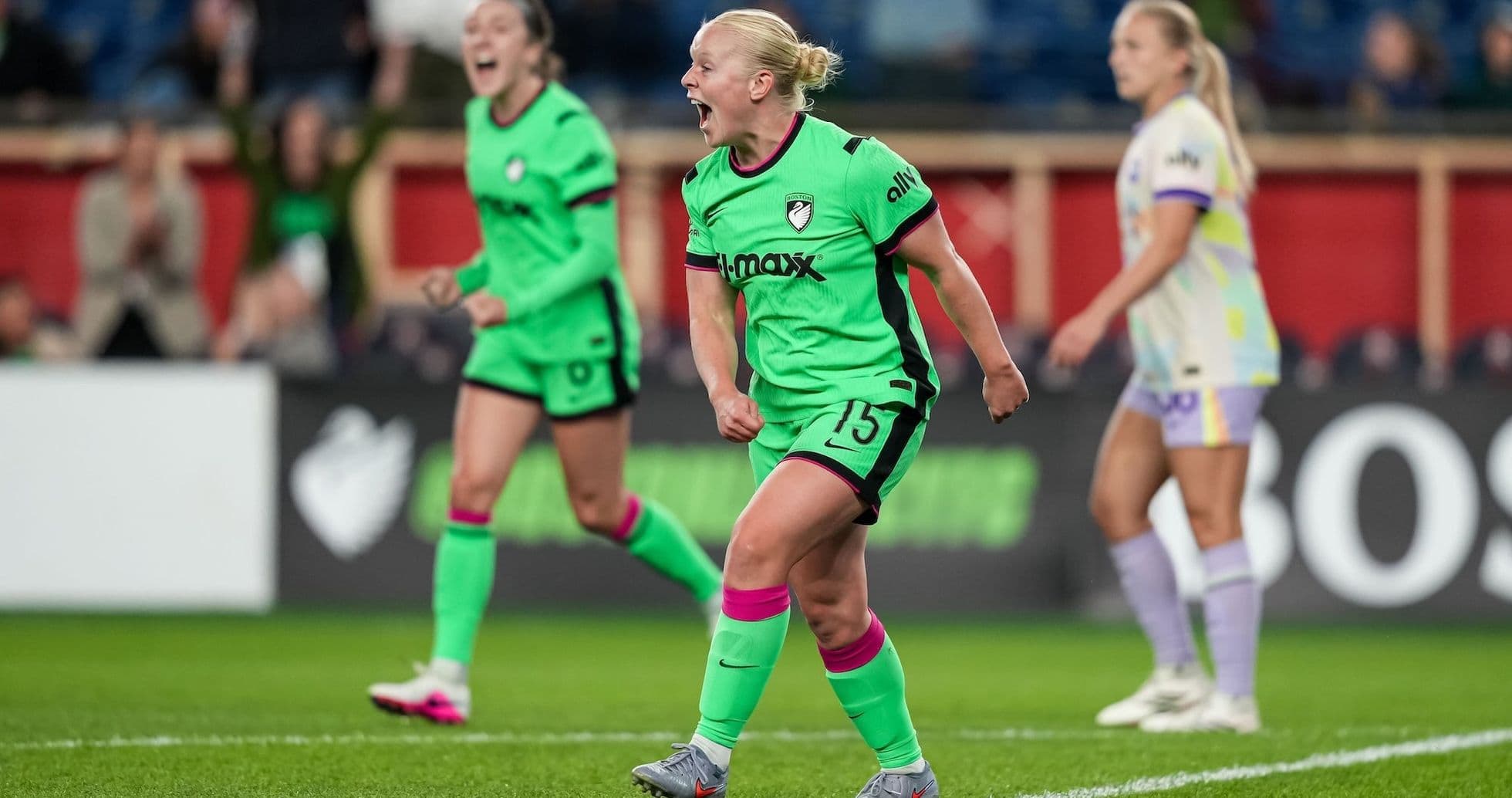
Boston Legacy W Upsets Orlando Pride W in NWSL Clash
Gillette Stadium under the lights, group-stage pressure in the NWSL Women, and two teams whose seasons have been defined by fine margins. Boston Legacy W came into this contest rooted in 14th place, with 8 points from 9 matches and a goal difference of -6, trying to turn a fragile campaign into something more stable. Orlando Pride W arrived in Foxborough in 7th, on 11 points from 9, their overall goal difference perfectly balanced at 0, still very much in the playoff conversation. Over 90 minutes, Boston overturned a 0-1 half-time deficit into a 2-1 win, a result that felt less like a single match and more like a statement about the evolving identities of both squads.
I. The Big Picture: Structures and Season DNA
Orlando came exactly as their season statistics suggested: a clearly defined 4-2-3-1, drilled and familiar. They have used that shape in all 9 league fixtures, and it showed in their spacing. A. Moorhouse anchored the back, with a back four of H. Mace, C. Dyke, Rafaelle Souza and O. Hernandez. In front of them, the double pivot of J. Doyle and H. McCutcheon provided the platform for an attacking trio of Angelina, Marta and S. Yates, supporting lone forward S. Jackson.
Boston, by contrast, entered with tactical ambiguity. Their seasonal record shows only one logged formation – a 3-3-1-3 used once – and the lineups data here lists no explicit shape. What they did have was a spine: C. Murphy in goal; a defensive line featuring J. Carabali, Lais and E. Elgin; a midfield triangle of A. Cano, A. Karich and J. Hasbo; and a front line of N. Prince, A. Traore and B. St.Georges. It looked less like a rigid system and more like a fluid 4-3-3/4-2-3-1 hybrid, designed to adapt in-game.
Heading into this game, Boston’s season numbers painted them as vulnerable but dangerous. Overall they had scored 9 and conceded 15, with an overall goals-for average of 1.0 and goals-against at 1.7. At home they were far more alive: 8 goals scored and 9 conceded, an average of 1.3 goals for and 1.5 against at Gillette Stadium. Orlando, on their travels, were slightly more balanced: 6 goals scored and 5 conceded away from home, an away average of 1.5 goals for and 1.3 against.
The scoreline – Boston 2-1 Orlando – fit that statistical profile: Boston’s home attacking spark overcoming their defensive frailty just enough, and Orlando’s away efficiency blunted by a more assertive second-half Boston.
II. Tactical Voids and Disciplinary Undercurrents
There were no formally listed absences, so both managers had near-full decks. The real “void” for Boston was structural: a team that has yet to record a single clean sheet in total this campaign, with 0 clean sheets both at home and away, and a tendency to concede in every phase of the game. Their card distribution underscores a team that lives on the edge. Yellow cards spike between 16-30 minutes at 22.73%, then remain evenly spread across 31-45, 46-60, 61-75 and 76-90 minutes, each band carrying 18.18% of their total yellows. There is also a notable disciplinary flashpoint late: 100.00% of their red cards come between 76-90 minutes, a sign that emotional control in closing stages is a genuine tactical factor.
Orlando’s card profile is calmer but still telling. Their yellows build as matches wear on: 25.00% between 61-75 minutes and another 25.00% between 76-90, with 16.67% in 46-60 and 16.67% in 91-105. This is a side that grows more aggressive as game states tighten, which, combined with Boston’s late red-card history, made the final quarter of an hour a psychological battleground.
In that context, Boston’s ability to come from behind without imploding discipline-wise is almost as significant as the goals themselves.
III. Key Matchups: Hunter vs Shield, Engine Room vs Enforcer
The headline duel was always going to be conceptual rather than literal: Orlando’s leading scorer B. Banda – 7 goals in total this season, from 9 appearances, with 33 shots and 20 on target – against a Boston defense that had conceded 15 overall and 9 at home. Banda started on the bench here, but her presence shaped the narrative. She is averaging a relentless attacking output, with 12 key passes and 22 dribble attempts, and she represents Orlando’s purest “Hunter” profile.
The “Shield” on Boston’s side is not a single player but a collective scrambling line anchored by J. Carabali and Lais. Carabali’s season numbers show 3 blocked shots, 14 tackles and 11 interceptions across 9 appearances; she is the one stepping into shooting lanes, literally blocking efforts to protect Murphy. Every time Orlando probed, especially when Marta drifted into half-spaces, it was Carabali’s aggression that prevented Orlando’s expected goals from translating into more scoreboard damage.
In midfield, the “Engine Room” duel was fascinating. For Orlando, Angelina and Marta are dual conductors. Angelina’s advanced positioning between the lines and Marta’s ability to receive on the half-turn gave Orlando control in the first half, reflected in their 1-0 lead at the break. On Boston’s side, the pairing of A. Karich and Alba Caño (introduced through the season data as a central figure) embodies their workmanlike core. Karich has completed 453 passes with 85% accuracy, while Alba Caño has 317 passes at 75% and 27 tackles. Together, they form Boston’s metronome and enforcer package: Karich as the stabilizer, Caño as the disruptor.
Higher up, N. Prince and A. Traore are Boston’s dual threat. Prince, listed among the top assist providers with 2 assists and 1 goal, is a wide creator who has already played 10 key passes this season. Traore is their edge: 2 goals, 1 assist, and a league-leading disciplinary profile with 3 yellow cards. She has been involved in 71 duels, winning 34, and draws 20 fouls. Against Orlando’s back four, Traore’s willingness to run at defenders and Prince’s delivery from wide areas eventually overwhelmed a Pride defense that had conceded 13 overall heading into this game.
IV. Statistical Prognosis and Tactical Verdict
From an analytical standpoint, this match unfolded as the collision of two season-long trends. Orlando’s away profile – 1.5 goals scored and 1.3 conceded on their travels – suggested a team comfortable in open, balanced encounters. Boston’s home numbers – 1.3 scored, 1.5 conceded – pointed to chaotic, high-leverage games where small swings decide everything.
Boston’s lack of clean sheets meant Orlando were always likely to score, and the 0-1 at half-time reflected that underlying xG logic: a structured 4-2-3-1 exploiting a defense that typically concedes 1.5 at home. But the second half showcased Boston’s emerging identity: a team that may not control games through sterile possession, but can tilt momentum through intensity, duels and direct play.
The late-game disciplinary risk – Boston’s 100.00% red-card share in the 76-90 window – hung over the final minutes, but they managed the emotional and tactical chaos better than their reputation suggested. Orlando, whose yellows cluster in the same late bands, were the side that faded structurally, their double pivot stretched as Boston’s front three and advancing midfielders attacked in waves.
Following this result, the tactical verdict is clear. Boston Legacy W are evolving into a dangerous, high-variance home side: defensively porous but capable of overwhelming visitors with vertical surges led by Traore, Prince and a hard-working midfield core of Karich and Alba Caño. Orlando Pride W remain a well-drilled 4-2-3-1 with a lethal scorer in B. Banda and creative fulcrums like Marta and Angelina, but their away defensive line can be bent and broken when forced into repeated emergency defending.
In a league where playoff margins are thin, this 2-1 turnaround at Gillette Stadium feels like more than three points. It is a tactical inflection point: Boston proving they can live with – and outlast – a structured playoff contender, and Orlando reminded that structure alone is not enough when confronted by raw, relentless momentum.
Related News
Orlando Pride W vs Portland Thorns W: Playoff Showdown
San Diego Wave W vs Kansas City W Predicted Lineups: Team News for NWSL Women
Orlando Pride W vs Portland Thorns W Prediction: Key Stats and Betting Tips
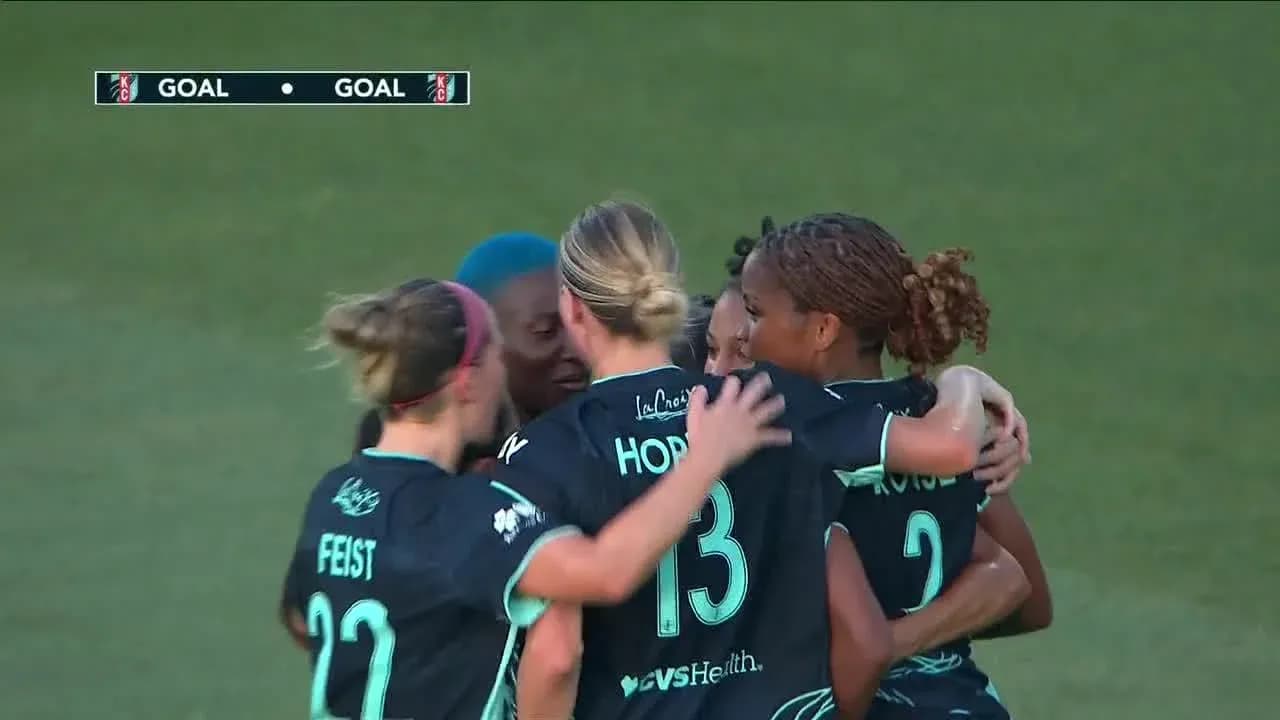
San Diego Wave W vs Kansas City W: Key NWSL Clash Preview
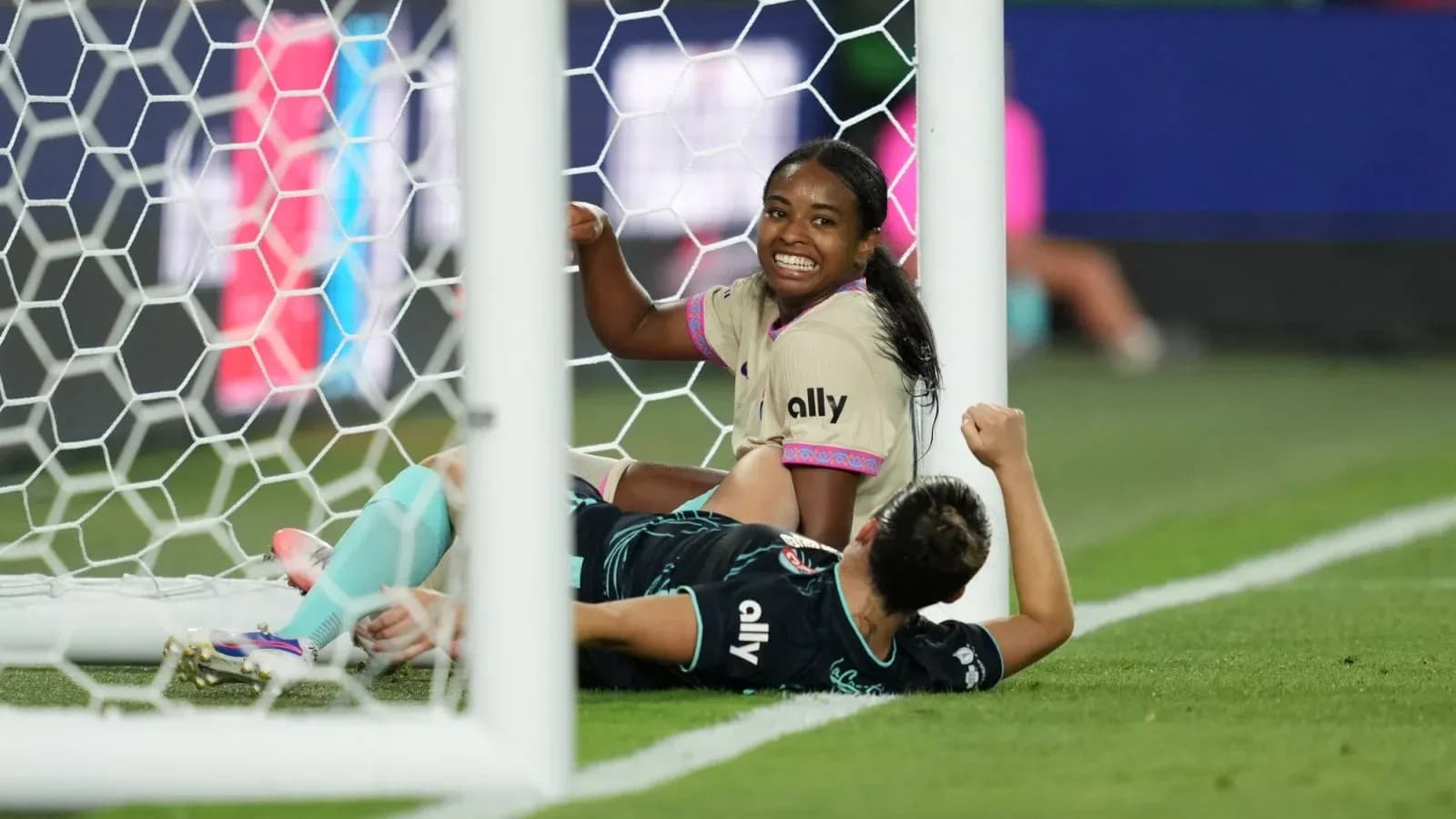
San Diego Wave W vs Kansas City W Prediction: Key Stats and Betting Tips
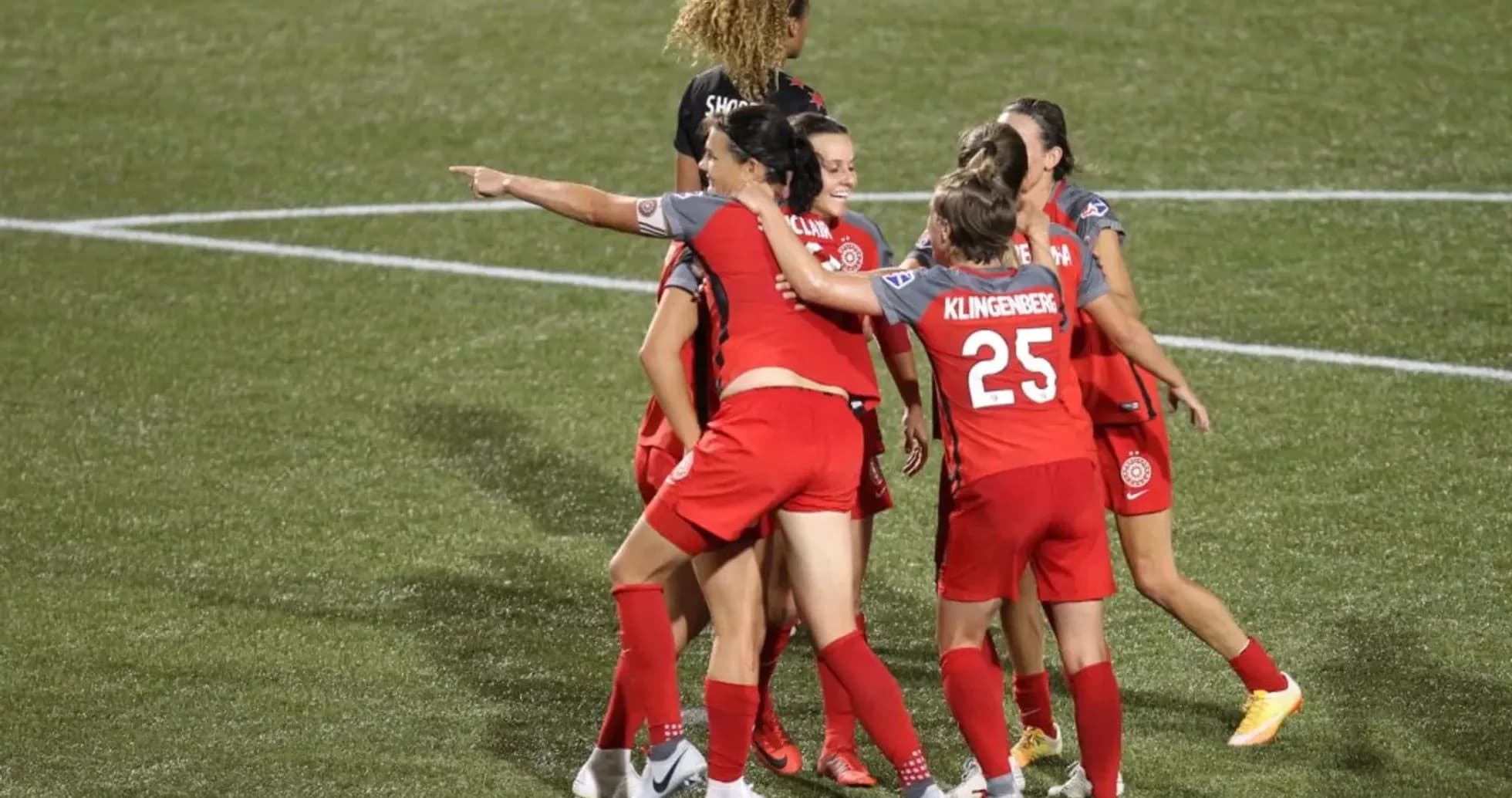
Portland Thorns and Chicago Red Stars Draw in NWSL Showdown