
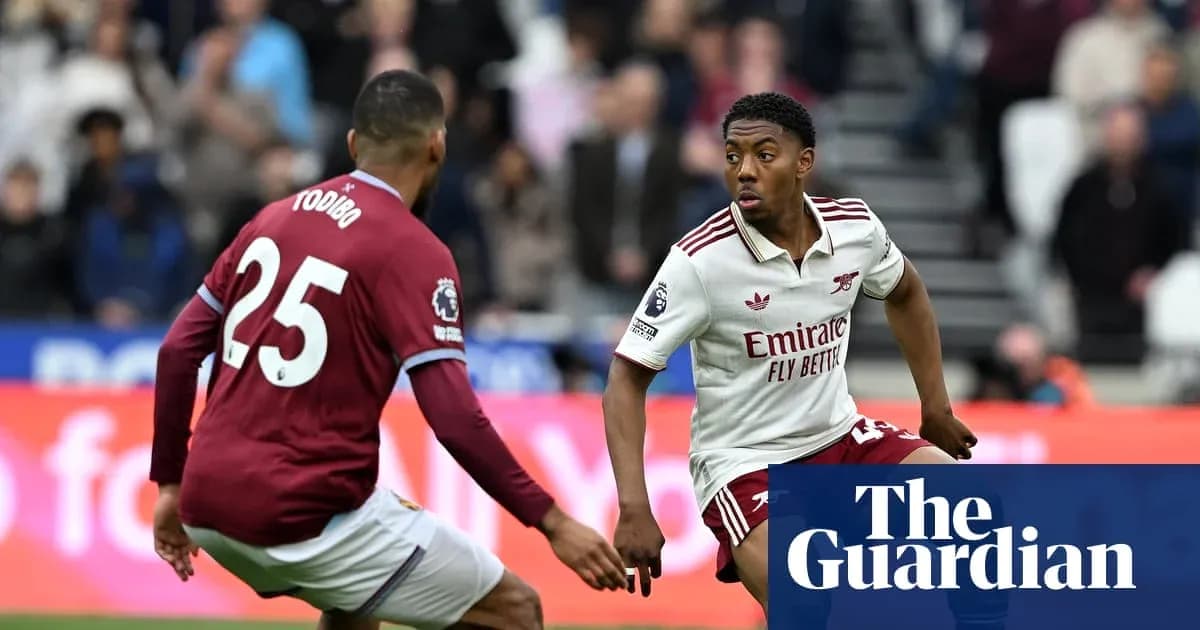
Arsenal's Lewis-Skelly: From Teenage Phenomenon to Key Player
The words dropped out of the London sky like a verdict.
“Final decision, direct free-kick.”
On the pitch at the London Stadium, Chris Kavanagh’s announcement cut through the noise and the fury. Pablo had fouled David Raya, Callum Wilson’s 95th‑minute equaliser would not stand, and West Ham’s lifeline vanished in an instant. Arsenal’s season, by contrast, jolted forward again.
In the stands, on sofas, in studios, the reaction was visceral. On Sky Sports, Ian Wright was asked if those were the sweetest words he had ever heard. He didn’t hold back. “The sweetest words since Martin Luther King’s ‘I have a dream’,” he said, leaning into the drama as only Wright can.
Inside the Arsenal dressing room, Myles Lewis-Skelly reached for a different explanation.
“I don’t even know … it was just God on our side,” he said. “We are so grateful.”
Relief, then resolve
The 1-0 win at West Ham did more than twist the knife in the home side’s relegation fight. It dragged Arsenal closer to the Premier League title they have chased with an almost obsessive intensity. Five points clear of Manchester City, two games to go: Burnley at home, Crystal Palace away. City still lurking with a game in hand and fixtures against Palace, Bournemouth and Aston Villa.
No one at Arsenal pretended this was done. Least of all Lewis-Skelly.
“It is just a huge sense of relief,” he said, before the floodgates opened. “Joy, excitement, fulfilment – everything you can describe. We are buzzing, but we know that the job is not done. We have got two more finals left.”
The VAR delay felt endless. West Ham thought they had snatched a point. Arsenal thought they had thrown two away. Then Kavanagh spoke, the stadium convulsed, and the visitors’ season took another improbable swerve towards glory.
For Lewis-Skelly, the chaos and the salvation felt familiar. It mirrored his year.
From teenage phenomenon to test of character
Not long ago, Lewis-Skelly looked like a teenager who had simply decided to bend the script to his will. Fifteen Premier League starts in his breakthrough campaign, a first Arsenal goal in a 5-1 demolition of Manchester City, the audacity to follow it by mimicking Erling Haaland’s “Zen” celebration. He did not arrive quietly.
He carried that swagger onto the international stage, scoring 20 minutes into his England debut against Albania. At the Bernabéu, in a Champions League quarter-final against Real Madrid, he ran the game with such authority that club legends in the VIP seats turned to each other and asked: “Who is this kid?”
Then the brakes went on.
This season, the league minutes dried up. His place in the England squad disappeared. The story turned from wonderkid to warning sign. When Mikel Arteta picked him for only his second league start of the campaign against Bournemouth on 11 April, Arsenal collapsed to a damaging defeat. The questions grew louder. So did the noise around his future.
Arteta admitted he had been hard on him. This, he made clear, was the examination every young player faces: talent is one thing, resilience another.
For Lewis-Skelly, it became an “acid test” of his focus.
A gut feeling that changed everything
Then came Fulham, nine days before West Ham. A gut call from Arteta, a shift in position, and a season flipped on its axis.
The manager started him in midfield for the first time, the role Lewis-Skelly had played as a boy in the academy before breaking into the senior side as a left-back. He did not tiptoe into it. He drove through the game, dictated tempo, and Arsenal brushed Fulham aside 3-0. The performance rekindled the sense that this was where he truly belonged.
“It feels so natural for me to be there,” he said. “I have been training there a lot so [against Fulham] I felt comfortable. The boss told me: ‘You are going to play midfield, so go for it.’ That is what I did. I had to be bold and play with courage because that is what this league demands.”
Arteta trusted him again in the biggest of arenas: the Champions League semi-final, second leg against Atlético Madrid. Another start, another step. Arsenal edged it 1-0 to book a showdown with Paris Saint-Germain.
Then West Ham. Another start. Another test of nerve in a game that threatened to slip away before VAR intervened.
Blocking out the noise
The transformation has not been accidental. It has been built in the shadows.
“It was tough for me initially,” Lewis-Skelly said of this season. “But I pride myself on having mental strength. Sport is not one pathway because there are ups and downs. It’s how you bounce back from that, how you are in those moments when you face adversity. That is what defines you.”
He leaned on his inner circle and shut everything else out.
“I spoke with my family and friends. I just told them: ‘I don’t want to hear all the noise that is coming from social media. Let me stay in this moment, let me continue to face this adversity and let me come out the other side of it.’
“It is always being prepared, always feeling like I prepare as a starter because you never know when your time will come. Luckily enough, it came against Fulham. I took my opportunity and helped the team out as much as I can.”
New pecking order, same ambition
Almost overnight, the hierarchy in Arsenal’s midfield has shifted. Lewis-Skelly now sits ahead of Martín Zubimendi in Arteta’s thinking. He is also jostling with the captain, Martin Ødegaard, who changed the tempo at West Ham when he came on after 67 minutes, forcing a tactical reshuffle that sent Lewis-Skelly back to left-back.
The versatility helps. So does the conviction that midfield is his natural home. The debate over his long-term role will run, especially with the financial jargon swirling around him this season. “Pure profit” has been whispered in the background, a reminder of how academy products are viewed in modern balance sheets.
For now, that talk is parked.
Lewis-Skelly has more pressing concerns.
“I am focused on the games we have got coming up,” he said. “And bringing this club back to glory.”
Two league matches, a Champions League final on the horizon, a title race on a knife-edge. For Arsenal, and for their 19-year-old midfielder who has already lived a season’s worth of extremes, the real verdict is still to come.
Related News
Raphinha’s Hat-Trick Powers Barcelona to 7-2 Victory Over Racing Santander
Carabao Cup Fourth Round Draw: Liverpool Set to Clash with Chelsea, Arsenal to Face Fleetwood Town
Key Football Matches to Watch in Azerbaijan This Autumn
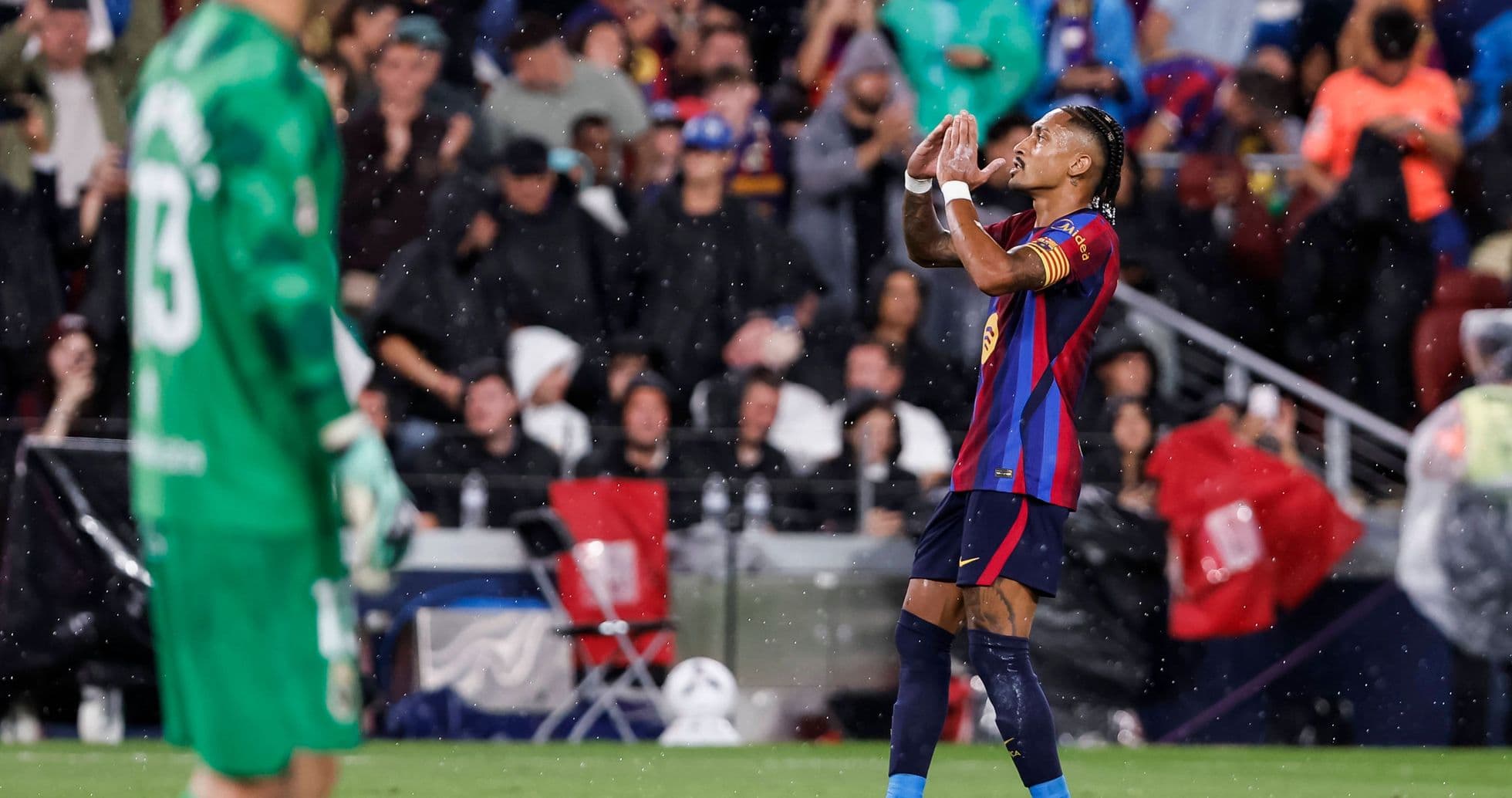
Raphinha's Hat-Trick Drives Barcelona to 7-2 Triumph Over Racing Santander
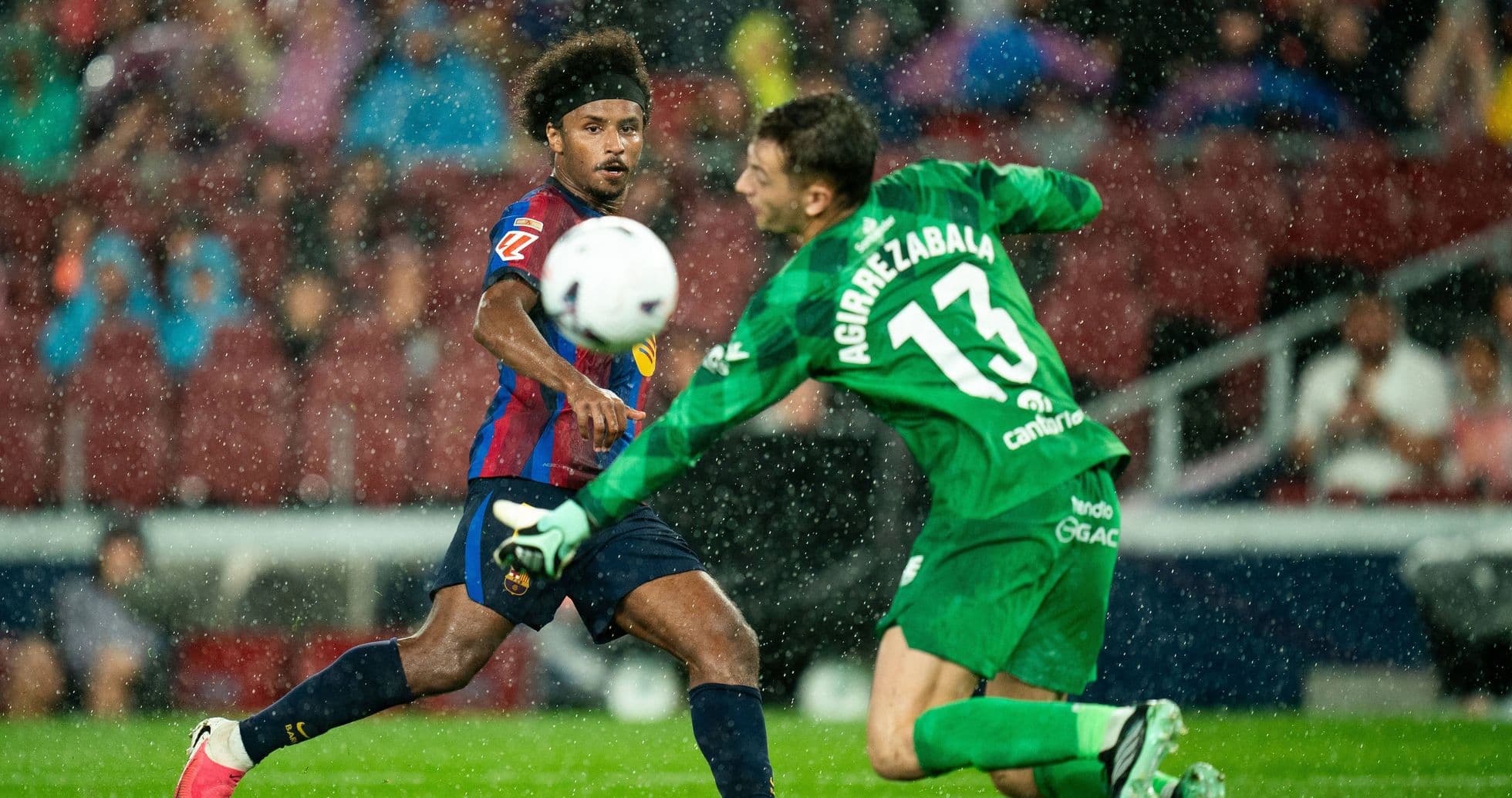
Hansi Flick Leads Barcelona to Record-Breaking Seven Wins in a Row
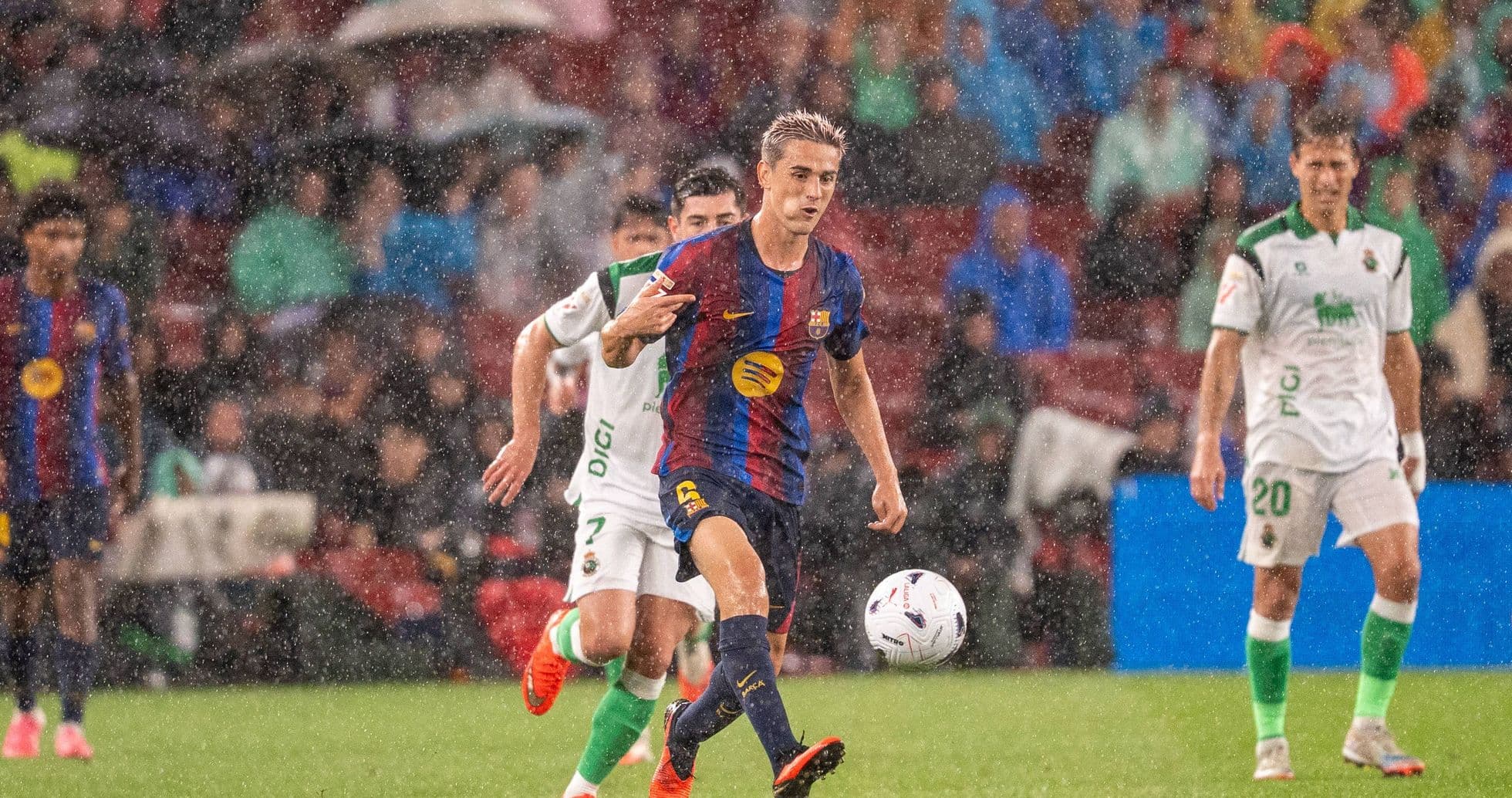
Gavi Reflects on Injury Return as Barcelona Dominate Racing Santander 7-2