

Angel City vs San Diego Wave: Key Playoff Implications in NWSL 2026
At BMO Stadium in the 2026 NWSL Women group stage, this Angel City W vs San Diego Wave W fixture is an early but significant playoff-position marker. In the league phase, Angel City sit 8th on 9 points from 6 matches (11 goals for, 7 against), just inside the playoff band, while San Diego are 3rd on 15 points from 8 matches (11 goals for, 8 against). For Angel City, a home win tightens the gap to the top pack and stabilizes their playoff push; for San Diego, an away result consolidates a top-3 platform and keeps pressure on the very top of the table.
Head-to-Head Tactical Summary
The recent head-to-head record is tight and tactically balanced across venues and competitions. On 10 August 2025 at Snapdragon Stadium in San Diego, the sides drew 1-1 in NWSL Women Regular Season - 15, with a 0-0 HT and both goals arriving after the break. Earlier in 2025, on 16 March at BMO Stadium in Los Angeles (Regular Season - 1), Angel City came from a 0-1 HT deficit to draw 1-1, underlining San Diego’s ability to start strongly but not close out the game.
In 2024, the league meetings tilted slightly toward Angel City. On 24 August 2024 at Snapdragon Stadium (Regular Season - 13), Angel City led 2-0 at HT and held on for a 2-1 away win, showing they can punish San Diego in transition away from home. On 24 May 2024 at BMO Stadium (Regular Season - 8), the sides played out a 0-0 stalemate, indicating a more conservative pattern in Los Angeles. In cup play, on 2 August 2024 at Titan Stadium in Fullerton in the NWSL - Liga MXF Summer Cup Group Stage - 3, a 0-0 draw after 120 minutes (0-0 HT and FT) ended with Angel City winning 5-3 on penalties, again highlighting how little separates the two when stakes are high.
Global Season Picture
- League Phase Performance: In the league phase, Angel City W are 8th with 9 points from 6 matches, scoring 11 goals and conceding 7 (goal difference +4). Their home record is 2 wins and 2 losses from 4, with 7 goals for and 4 against. San Diego Wave W are 3rd with 15 points from 8 matches, also on 11 goals scored but with 8 conceded (goal difference +3). Away from home they have 3 wins and 1 loss from 4, with 6 goals for and 5 against.
- All-Competition Metrics: Across all phases of the competition, Angel City’s attack has been relatively productive at 11 goals in 6 matches, averaging 1.8 goals per game overall and 1.8 at home, while conceding 7 (1.2 per match). Their biggest wins include a 4-0 at home and 3-1 away, showing a high ceiling in one-off performances. Defensively they average 1.0 goals against at home and 1.5 away, with just 1 clean sheet in total. Their disciplinary profile shows yellow cards spread across the match, with notable late-game accumulation (2 yellows between minutes 91-105) and a single red card in the 46-60 range, hinting at occasional discipline lapses under second-half pressure. San Diego Wave W, across all phases, have 11 goals in 8 matches (1.4 per game, 1.5 away) and concede 8 (1.0 per game, 1.3 away). They have 2 clean sheets (1 home, 1 away) and have failed to score in 3 matches, suggesting a more controlled but slightly streaky attack. Their yellow cards cluster heavily in the 46-60 window (2 yellows, 40% of their cautions), indicating an aggressive post-interval phase.
- Form Trajectory: In the league phase, Angel City’s form string “LLLWW” shows a sharp rebound: three consecutive defeats followed by back-to-back wins. They enter this match on an upswing, with momentum and confidence restored. San Diego’s league-phase form “LLWWW” also reflects recovery: two losses followed by three straight wins. Both sides arrive trending upward, which raises the stakes—one of these positive trajectories will be checked here.
Tactical Efficiency
Across all phases of the competition, Angel City’s profile is that of a high-variance side: 1.8 goals scored per match against 1.2 conceded, with a biggest home win of 4-0 and only 1 clean sheet. That combination points to an attack-first posture that can overwhelm opponents but leaves exposure when their press or structure breaks down. Their use of multiple formations (4-2-3-1 most often, plus 4-3-1-2, 4-1-4-1, and 4-3-3) supports a flexible but still evolving tactical identity, which can boost attacking xG at the cost of defensive continuity.
San Diego Wave W, with 1.4 goals scored and 1.0 conceded per match across all phases, are more balanced and slightly more conservative. Their biggest away win (2-3) and away loss (2-0) show that when they open up, games can become more volatile, but the baseline is a structured side that manages risk better than Angel City. A consistent use of 4-3-3 and 4-2-3-1 across 8 matches points to a stable game model, which typically translates into steadier xG and defensive control over time.
When mapped to a typical Attack/Defense Index framework, Angel City project as a strong attacking but moderate defensive unit (high goals per game, limited clean sheets), while San Diego project as a slightly less explosive but more efficient two-way team (lower scoring but also conceding less, with more clean sheets and a higher away win rate). The head-to-head record—tight draws, one narrow Angel City league win, and a penalty shootout decided match—confirms that San Diego’s structural solidity tends to keep Angel City’s attacking surges within manageable bounds, especially over 90 minutes.
The Verdict: Seasonal Impact
In the context of the 2026 NWSL Women group stage, this match is a pivotal inflection point rather than a decisive knockout: a de facto six-pointer for playoff seeding. A home win would push Angel City toward the mid-table cluster and strengthen their position in the playoff zone, validating their recent “WW” uptick and signaling that their early “LLL” slump is definitively behind them. It would also reinforce BMO Stadium as a high-ceiling attacking venue, crucial if they are to threaten the upper half of the playoff bracket by the time the quarter-finals are set.
For San Diego Wave W, an away victory would underline their status as a credible title-contending presence in 2026: it would extend their “WWW” league-phase run, keep them firmly in the top three, and maintain pressure on any leaders above them. Even a draw away to an in-form Angel City would be acceptable from a title-race perspective, preserving their points buffer and confirming that their away-defense metrics (1.3 goals conceded per match across all phases) translate against a strong home attack.
Defeat, however, carries asymmetric risk. For Angel City, a loss would halt their recovery, keep them on the fringes of the playoff pack, and re-open questions about defensive reliability and discipline. For San Diego, a loss would not end title ambitions but would drag them closer to the congested playoff-chasing group, transforming the remainder of the group stage from a top-3 consolidation mission into a more precarious fight to secure a favorable quarter-finals seed. In short, the result here will not decide the title, but it will strongly shape the trajectories: Angel City’s push to become a genuine top-four contender, and San Diego’s attempt to stay in the inner circle of the title conversation.
Related News

Orlando Pride W vs Portland Thorns W: Playoff Showdown
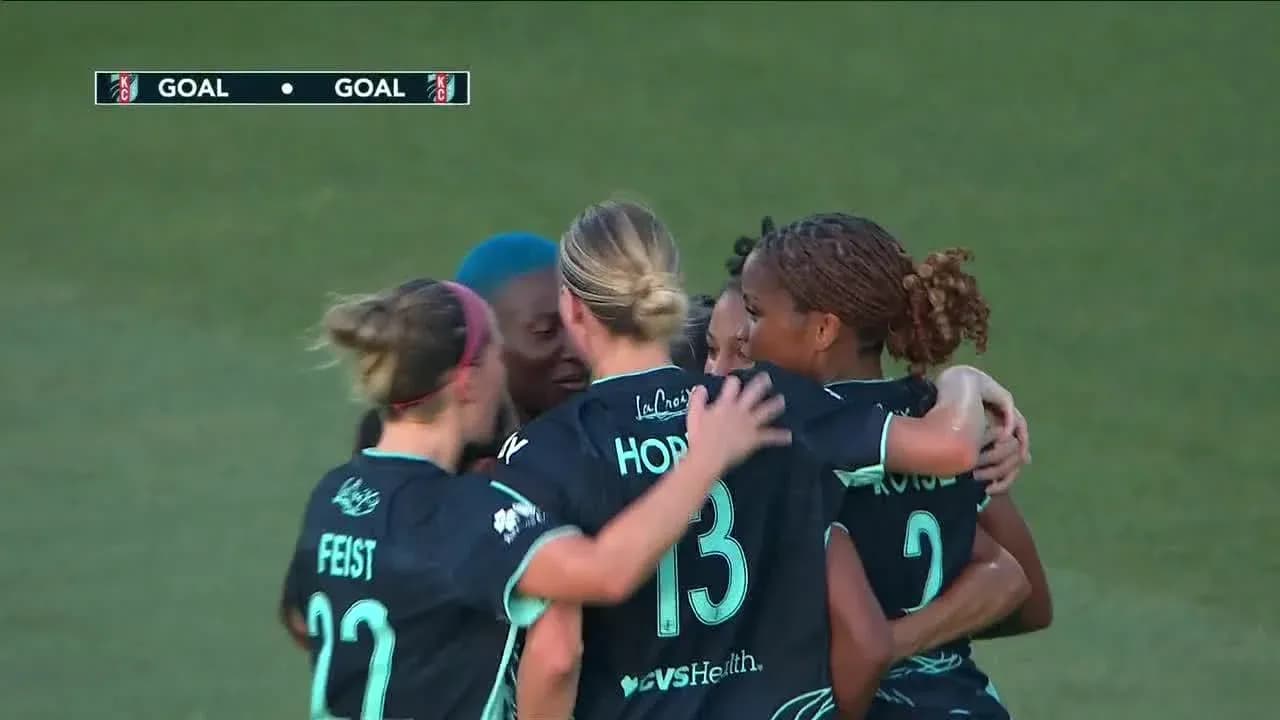
San Diego Wave W vs Kansas City W Predicted Lineups: Team News for NWSL Women

Orlando Pride W vs Portland Thorns W Prediction: Key Stats and Betting Tips
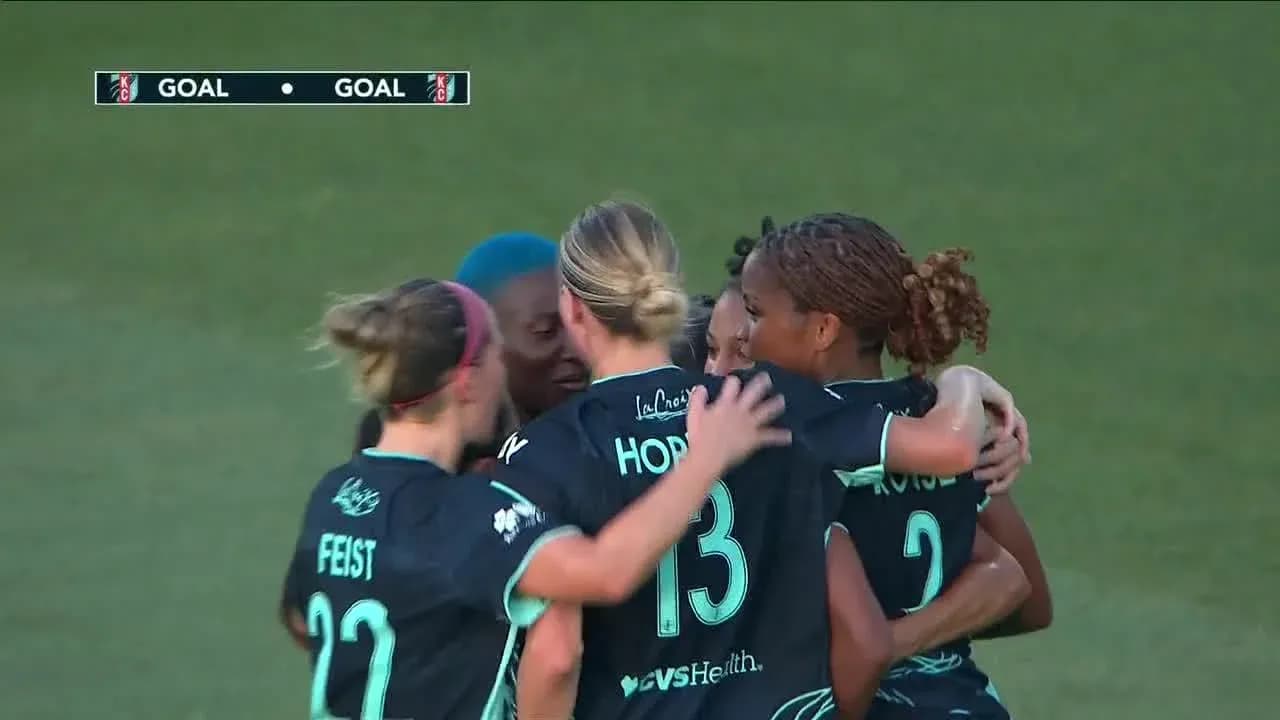
San Diego Wave W vs Kansas City W: Key NWSL Clash Preview

San Diego Wave W vs Kansas City W Prediction: Key Stats and Betting Tips
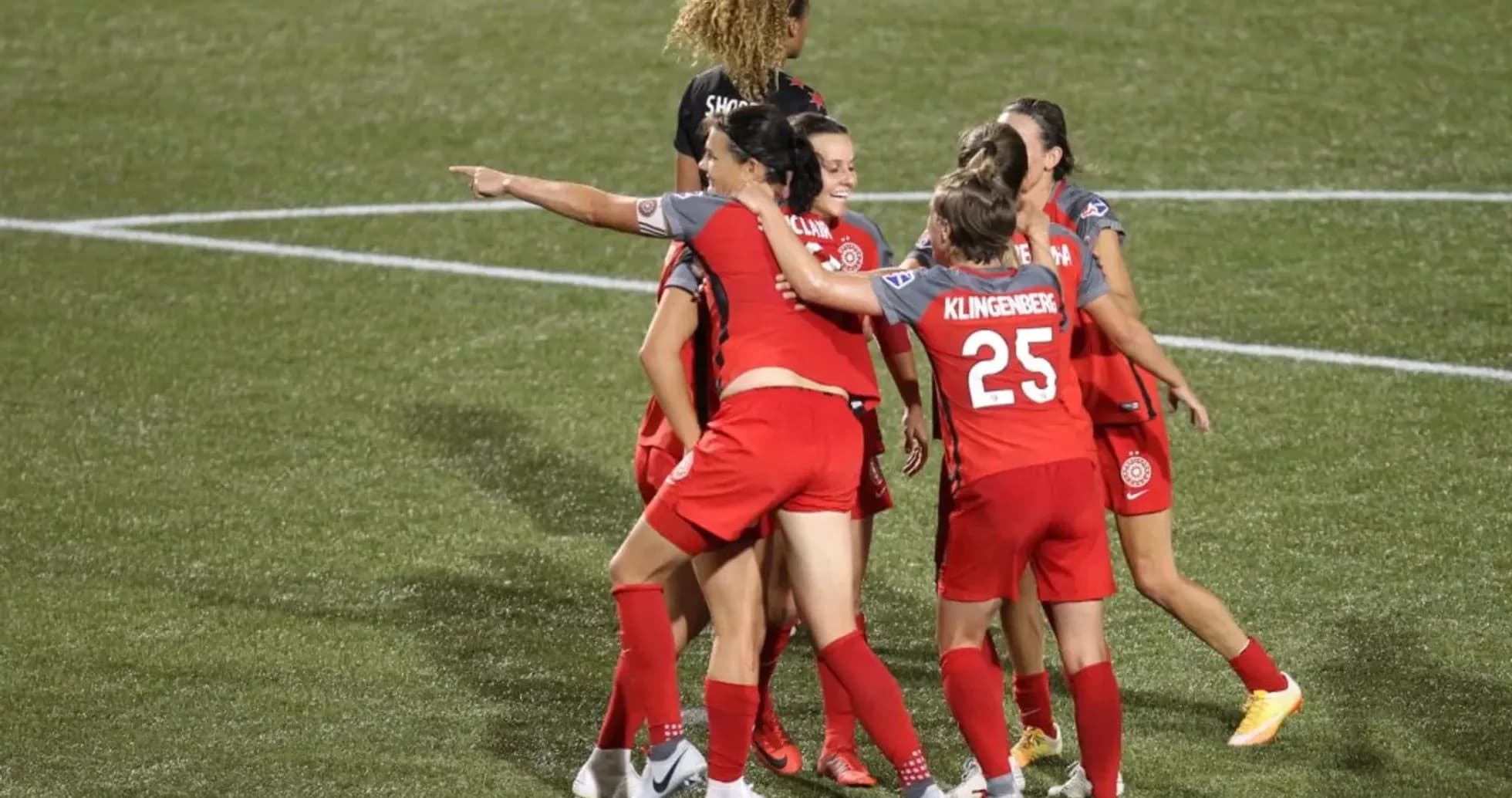
Portland Thorns and Chicago Red Stars Draw in NWSL Showdown