

2026 World Cup Preview: Contenders and Their Stories
With the 2026 World Cup in North America now just weeks away, the first 48‑team finals feel less like a distant experiment and more like a storm rolling over the horizon. The giants are circling, some polished, some patched together, all convinced they can navigate a month of chaos better than the rest.
Here is where the power lies.
France – One Last Dance for Deschamps
France arrive as world No. 1 and as something more ominous than that: a team that has forgotten how to be anything other than contenders.
Two World Cups won, two more lost on penalties in the last seven editions. A generation raised on the idea that France should be there at the end, under the same voice in the dressing room since 2012. This will be Didier Deschamps’ last tournament in charge. He knows it. The players know it. That changes the air around a squad.
Recent evidence suggests they are ready. A 2-1 win over Brazil in March on American soil, followed by a 3-1 victory over Colombia with an entirely different starting XI, underlined the depth that separates them from almost everyone else. They have not lost in nine games since last June.
And then there is the attack. Ousmane Dembele, now the reigning Ballon d’Or, Kylian Mbappe, Michael Olise, Rayan Cherki. It is not just talent; it is variety, pace, and menace from every angle. Stop one, another appears. In a tournament where rotation will be brutal and travel unforgiving, France look built for the grind.
They are the benchmark. Everyone else is chasing them.
Spain – The Machine and the Missing Pieces
Spain come in as European champions and as a side that has not lost since lifting Euro 2024. Luis de la Fuente has turned La Roja into something that feels familiar and yet sharper: a controlled, passing machine with a ruthless edge when the gaps appear.
The jewel, of course, is Lamine Yamal. Still a teenager, already a superstar. His absence, though, casts a shadow. A hamstring injury has sidelined the 18-year-old Barcelona winger, and reports suggest he could miss Spain’s first two group games. For a side built on rhythm and precision, losing their most explosive outlet is no small detail.
There is more bad news. Fermin Lopez, another Barcelona talent, will miss the tournament with a foot fracture. Mikel Merino, outstanding in 2025 with eight goals in 10 games for Spain, has not played since January due to injury.
Yet look at what remains. Rodri, the 2024 Ballon d’Or winner, still dictates everything from deep. Pedri, when fit, stitches together the lines with a calm that belies his age. Spain may be bruised, but they are far from broken. Their ceiling remains high; the question is whether their bodies will let them reach it.
Argentina – Messi’s Second Act in His New Home
Argentina arrive as defending champions, Copa America holders, and the kings of South America. Lionel Scaloni has turned them into a ruthless tournament side, hardened by finals and forged around a single, glowing constant: Lionel Messi.
Four years on from his crowning glory in Qatar, Messi is about to turn 39. Expecting him to hit those same heights again feels ambitious, but he walks into this World Cup with something precious: comfort. He is at home in the United States now, settled at Inter Miami, and his numbers show it – 12 goals in 13 MLS games this year.
Argentina know they cannot lean on him alone, and they do not have to. Lautaro Martinez, Julian Alvarez, Nico Paz – the Tenerife-born attacking midfielder now with Como – form part of a supporting cast that gives Scaloni options in every attacking zone. They cruised through South American qualifying, topping the group with authority.
This is not just Messi’s farewell tour. It is a fully armed title defence, staged in the country where their captain now lives and thrives.
England – New Face on an Old Obsession
England’s story has been one of almosts. Under Gareth Southgate they reached the finals of the last two European Championships, only to lose both, and fell in the semi-finals of the 2018 World Cup and the quarter-finals in 2022. Progress, yes. Closure, no.
Now they turn to Thomas Tuchel, the German coach tasked with ending a wait that stretches back to 1966. It is a bold, almost symbolic move: a different voice, a different edge, the same expectation.
On paper, the squad is loaded. England cruised through qualifying and can field two strong XIs in several positions. But the warning lights are there. They drew with Uruguay and lost to Japan in March friendlies, performances that stripped away some of the gloss. Key figures like Jude Bellingham and Cole Palmer have not enjoyed seamless campaigns, carrying knocks, fatigue, and the weight of long seasons.
Harry Kane, though, remains the anchor. His form for Bayern Munich this season – 58 goals – is staggering. If he carries even a fraction of that efficiency into this World Cup, England will always have a puncher’s chance. The talent is not in doubt. The question is whether Tuchel can turn a nearly team into a ruthless one when it matters most.
Portugal – Between Ronaldo and the Future
Portugal arrive as genuine contenders, but with a familiar tension running through the heart of their campaign. At 41, Cristiano Ronaldo is heading to his sixth World Cup. His presence is historic, magnetic, and potentially suffocating.
This squad’s real strength lies behind him. Vitinha, Joao Neves, Bernardo Silva, Bruno Fernandes – a midfield built for modern football, capable of controlling games, breaking lines, and dictating tempo against any opponent. If they set the terms of engagement, Portugal can smother teams.
They have recent pedigree too, as UEFA Nations League winners last year. Yet qualifying exposed their vulnerability. They stumbled in Ireland, losing after Ronaldo was sent off, a reminder that emotional flashpoints can still derail them. In their last outing, a 2-0 friendly win over the USA in Atlanta, Ronaldo did not play.
The balance is delicate. If the team revolves around the midfield, Portugal can go deeper than ever before. If it revolves around nostalgia, they may find the ceiling they have never quite managed to break.
Brazil – Ancelotti and an Identity on Trial
Brazil arrive with a legend in the dugout and a question mark over everything else. The appointment of Carlo Ancelotti, an Italian to lead the Selecao, says as much about their current identity crisis as it does about his status. When Brazil look abroad for answers, something fundamental has shifted.
Ancelotti inherits a squad with obvious talent but fewer automatic stars than in past eras. His decision to recall Neymar, now 34 and back at Santos, underlines that point. Neymar has not been capped since 2023, yet Brazil’s lack of depth has opened the door again. The attack now belongs to Vinicius Junior, the undisputed leader of their frontline, but the supporting cast does not inspire the same fear as previous generations.
The numbers are stark. Since lifting their fifth World Cup in 2002, Brazil have reached the semi-finals only once – the 7-1 humiliation against Germany on home soil in 2014. South American qualifying this time was a slog: fifth place, six defeats in 18 games.
Ancelotti’s words cut through the noise. “The World Cup won’t be won by a perfect team — because a perfect team doesn’t exist. It will be won by the most resilient team.” Brazil, for once, are not chasing perfection. They are chasing stability, clarity, and a way to turn flashes of brilliance into something more durable.
Germany – Flawed, Dangerous, and Impossible to Ignore
Look at the rankings and Germany sit behind the Netherlands, Morocco and Belgium at No. 10. Look at recent history and the doubts grow louder: group-stage exits in 2018 and 2022, a Euro 2024 quarter-final exit on home soil. For a nation used to measuring itself in trophies, this is unfamiliar territory.
And yet. Dismissing Germany at a World Cup has rarely ended well.
Julian Nagelsmann leads a squad that might not have the depth of old, but still carries serious quality. Joshua Kimmich remains the standard in versatility and intensity. Florian Wirtz brings creativity and goals from midfield, a player capable of bending tight games to his will. Kai Havertz, often questioned, continues to deliver in big moments for club and country.
Calling them favourites would be a stretch. Calling them irrelevant would be foolish. In a tournament where the expanded format will throw up chaos, Germany are exactly the kind of side that can stumble early, regroup, and suddenly appear in the last eight with a familiar look in their eyes.
The stage is bigger, the field is wider, and the margin for error is thinner than ever. France, Spain, Argentina, England, Portugal, Brazil, Germany – each carries its own scars and its own story into North America.
Soon enough, the rankings, the doubts, and the reputations will collide with reality. Then we find out whose version of greatness still holds under the weight of a 48‑team World Cup.
Related News
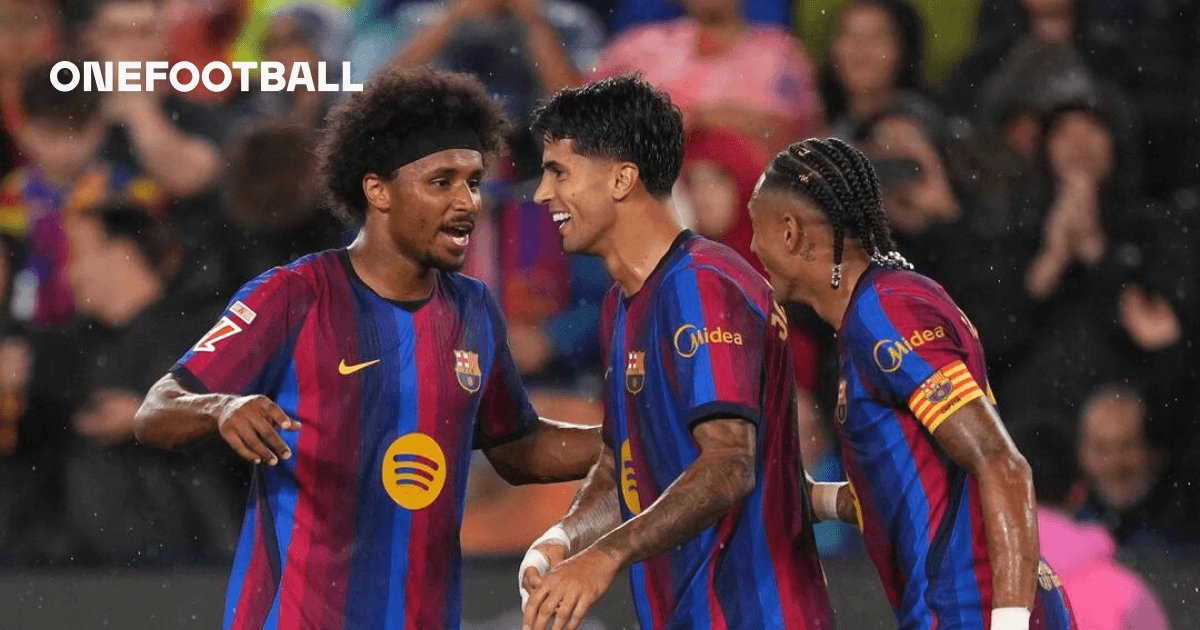
Raphinha’s Hat-Trick Powers Barcelona to 7-2 Victory Over Racing Santander
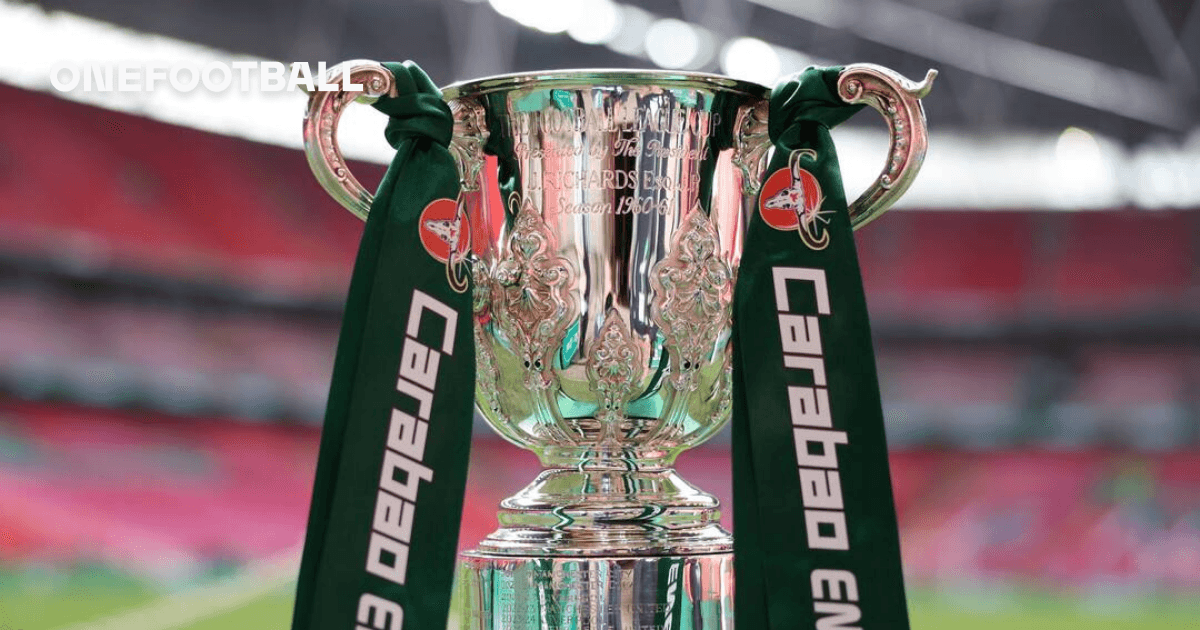
Carabao Cup Fourth Round Draw: Liverpool Set to Clash with Chelsea, Arsenal to Face Fleetwood Town
Key Football Matches to Watch in Azerbaijan This Autumn
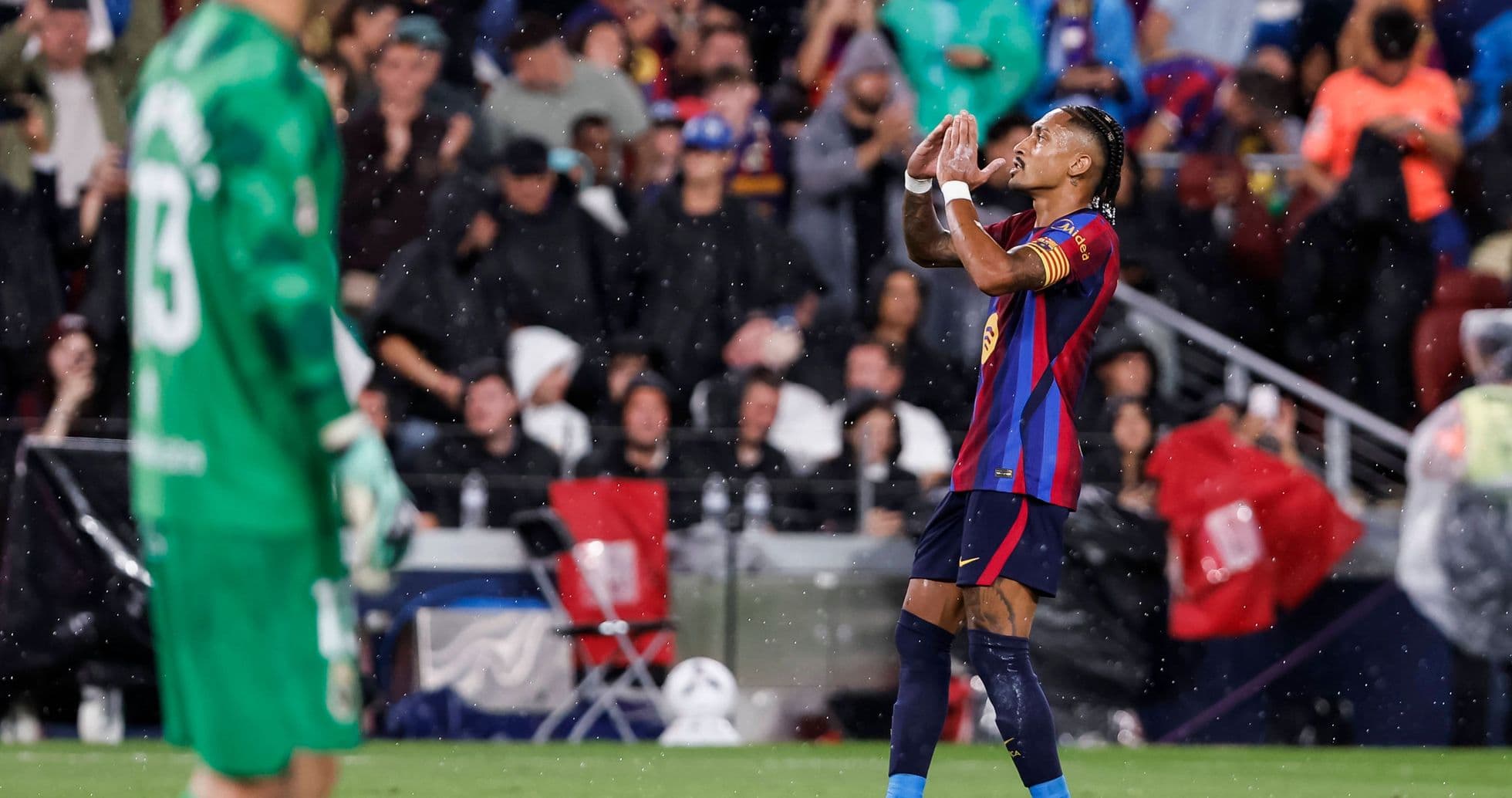
Raphinha's Hat-Trick Drives Barcelona to 7-2 Triumph Over Racing Santander
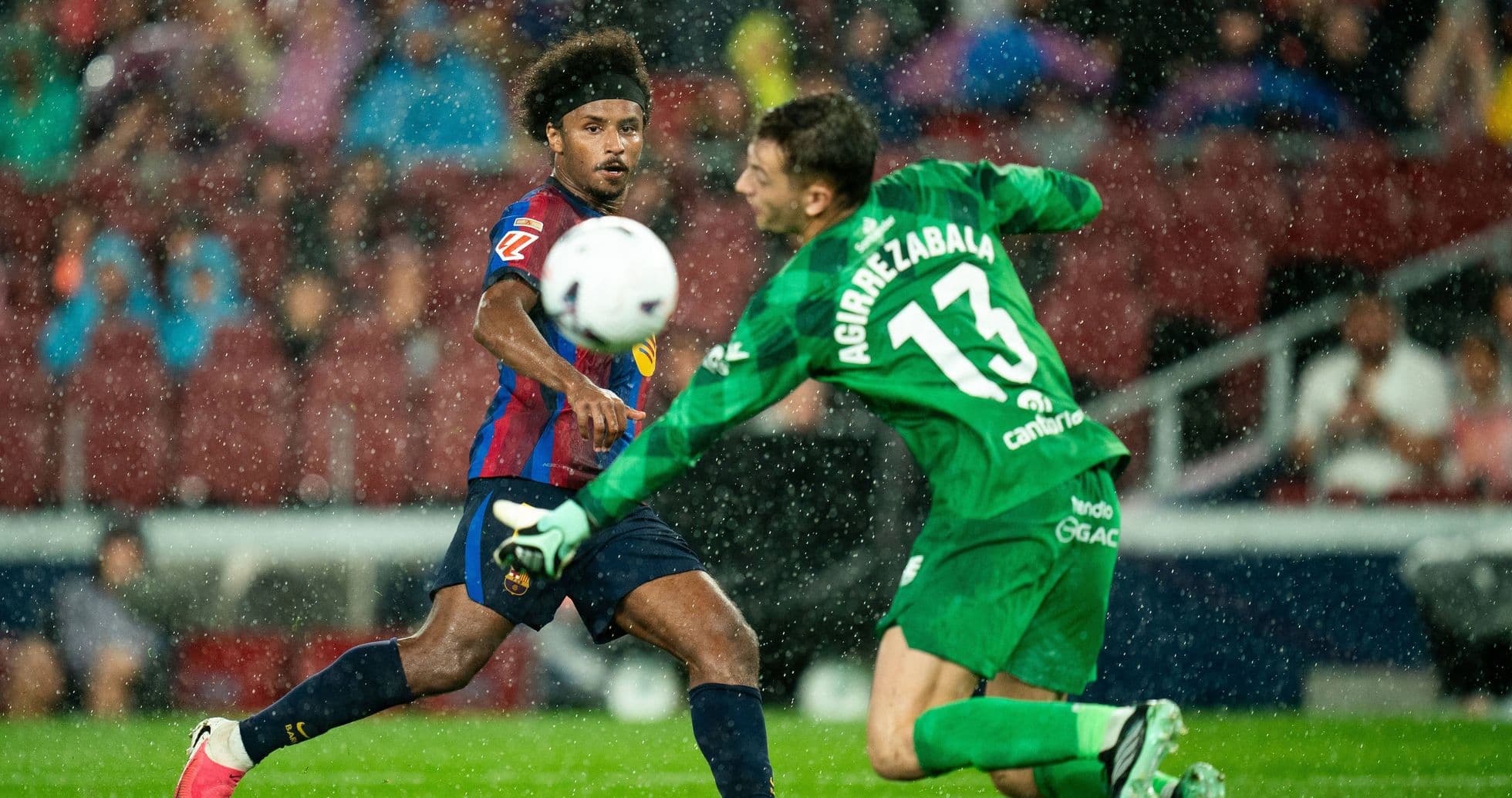
Hansi Flick Leads Barcelona to Record-Breaking Seven Wins in a Row
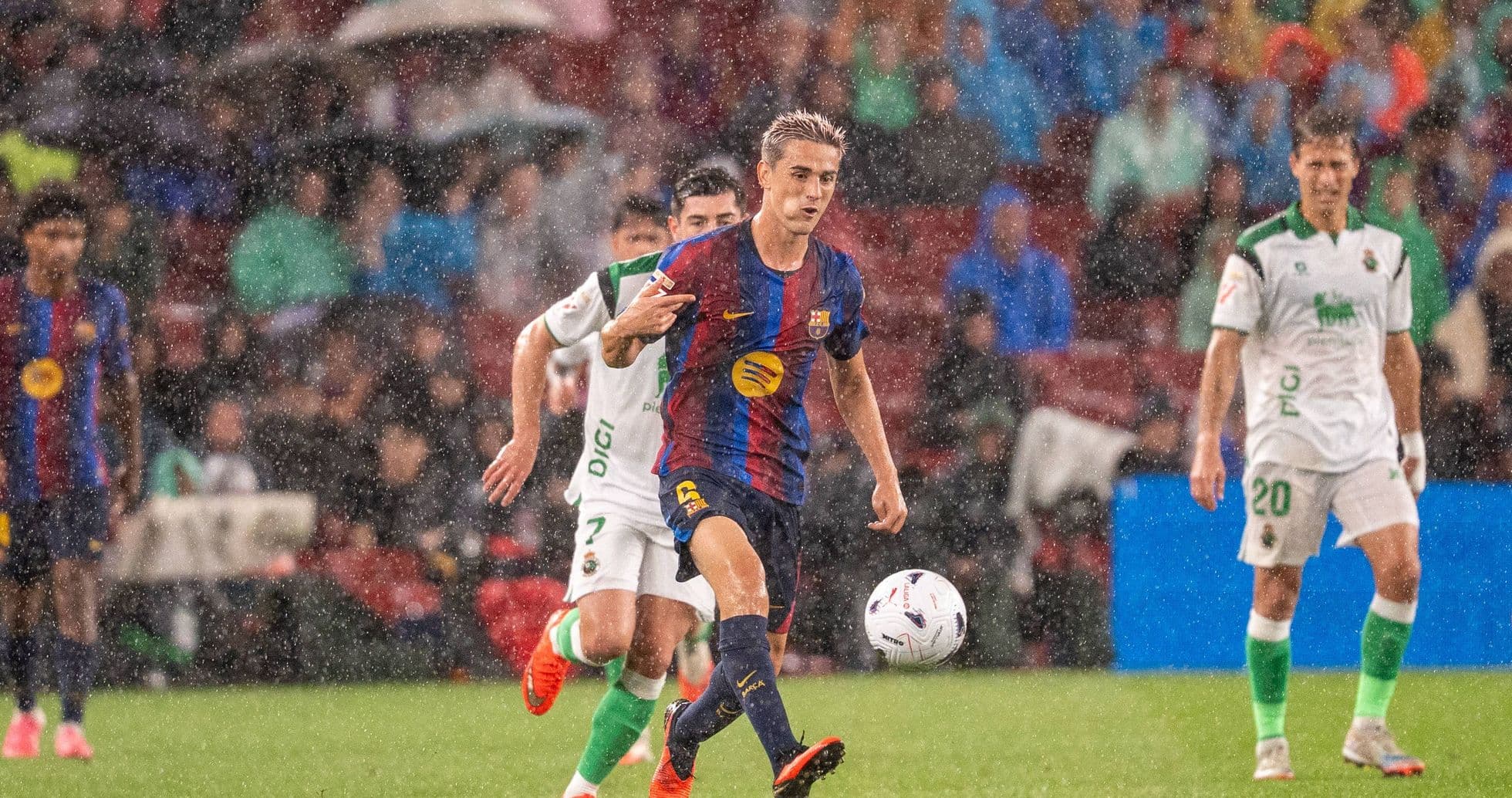
Gavi Reflects on Injury Return as Barcelona Dominate Racing Santander 7-2